Tuscany at a Slower Pace: Hill Towns, Vineyards and Long Lunches
· 6 min read
Disclosure: Some links are affiliate links; we may earn a commission at no extra cost to you.
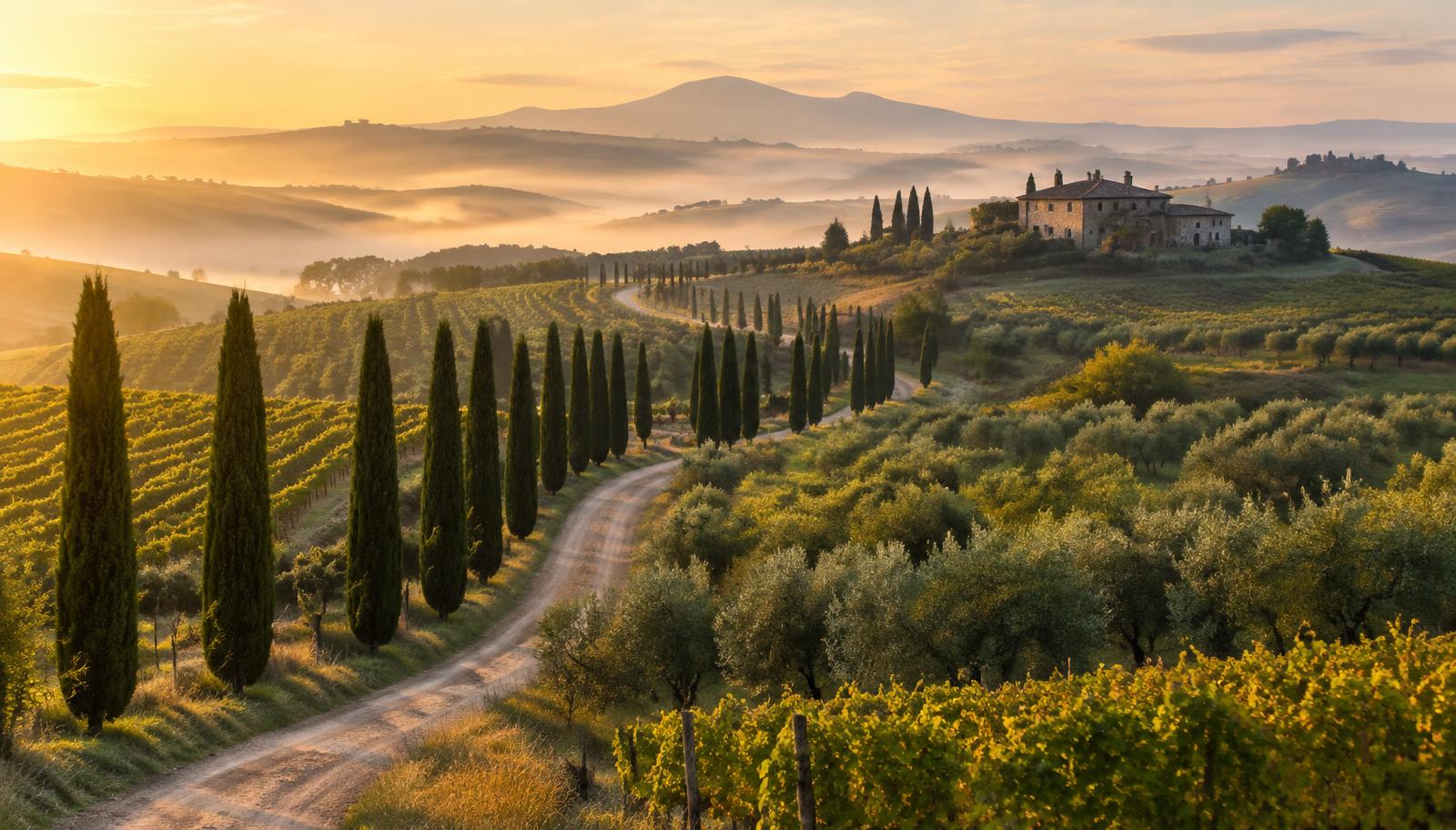
Tuscany is usually sold as a postcard: cypress trees on a ridge, a stone farmhouse, a glass of red wine at sunset. Those images are real, but they can also push visitors into a frantic loop of hill towns, wineries and viewpoints, with more time spent in a car than anywhere else. The region rewards the opposite approach. Fewer places, longer lunches and quieter evenings let its landscape and rhythm become part of the trip rather than a backdrop.
This guide suggests three unhurried days in the Tuscan countryside, with one main focus each day and plenty of space for meals, short walks and rest. It is a researched general guide, not a report of a personal stay. Opening times, tasting arrangements and accommodation prices change, so confirm current details directly with each place before you go. Take what suits you and leave the rest for another visit.
Choose a base, not just a room
The most important decision in Tuscany is where to sleep, because it shapes every day. Staying in one place for several nights, rather than moving every evening, removes a great deal of packing and driving. Think about the kind of evening you want before looking at photographs.
A farm stay, often called an agriturismo, places you among vineyards or olive groves. Many serve breakfast and sometimes dinner made with local produce, and the quiet can be the highlight of the trip. The trade-off is that you will usually need a car, and roads to rural properties can be narrow, unpaved or steep. Read recent reviews about access, parking and the final stretch of road.
A hill town such as Montepulciano, Pienza or San Gimignano offers walkable evenings, restaurants within a few minutes and views over the surrounding countryside. Medieval centres often restrict traffic, so check where guests can park and how far it is to carry luggage. Siena works well as a larger base with more services and bus connections, while still feeling human in scale.
Before paying, compare the total price for your dates, cancellation conditions, breakfast, local tourist taxes and any minimum-stay rules, which are common at rural properties in high season. The booking links below are the owner's general affiliate links, not endorsements of individual properties. Enter your chosen town and dates, then compare the same room type across providers.
Day one: Siena and its great square
Begin in Siena. Walk into Piazza del Campo, the sloping shell-shaped square at the heart of the city, and take a few minutes simply to sit. Watch how the space draws people towards its lowest point and how the light moves across the brick facades. Twice each summer the square hosts the famous Palio horse race, but on an ordinary day it is a place for lingering.
From there, choose one major visit rather than several. The cathedral complex, with its striped marble and detailed floor, is a strong choice. Check current ticket options and opening hours before you go, as access to different parts of the complex can be sold separately.
Take a long lunch, then wander the steep lanes of the city's districts, known as contrade, each with its own symbols and fountains. Look for small details: painted flags, carved animals on walls, quiet courtyards. If you are staying elsewhere, leave in good time so you can drive back to your base in daylight.
Day two: the Chianti roads at an easy pace
The Chianti area between Siena and Florence is known for wooded hills, vineyards and small villages. It is tempting to plan several wine tastings, but a slower day is more enjoyable and safer. Choose one or two villages, such as Radda, Castellina or Greve, and give each time for a walk, a coffee and a look around.
If wine is part of your interest, book a single tasting in advance and arrange it so that nobody needs to drive afterwards. Some visitors choose a guided tour for exactly this reason. The tours link below is a starting point for comparing options. If you prefer not to drink, many estates also produce olive oil and offer visits focused on the land and the process.
Leave the late afternoon open. Find a bench with a view, walk a short stretch of country lane or return to your accommodation to rest before dinner. In Tuscany, the hour before sunset is often the most beautiful part of the day, and it costs nothing to enjoy.
Day three: Val d'Orcia and the hill towns
Spend the last day in the Val d'Orcia, a landscape of rolling fields and lone cypress trees that is recognised by UNESCO for its harmony between people and land. The views change with the seasons: green in spring, gold in summer, softer and quieter in autumn and winter.
Pienza is compact and easy to explore on foot, with a walkway along its walls offering wide views over the valley. The town is known for its pecorino cheese, and a small tasting makes a simple, satisfying lunch. Montepulciano, a short drive away, sits higher on its ridge, with steep streets and wine cellars below the old town. Choose one to explore properly rather than ticking off both in a rush.
If you would like a gentle finish, stop at a viewpoint on the drive back and let the landscape do the work. You do not need a famous name or a specific photograph. The point is to notice the light, the quiet and the way the hills fold into each other.
Eat thoughtfully, without a compulsory checklist
Tuscan cooking grew from simple ingredients used well. Ribollita is a thick bread-and-vegetable soup; pici are hand-rolled thick pasta, often served with garlic and tomato or a meat sauce; pappa al pomodoro combines bread and tomato. Bistecca alla fiorentina is a large grilled steak usually shared between two or more people. Local olive oil, pecorino and cured meats appear on many tables. These are possibilities, not obligations.
Meals tend to be unhurried. Lunch can stretch well into the afternoon, and many rural restaurants close between lunch and dinner, so check times rather than assuming a kitchen will be open. In small towns, booking ahead for dinner is sensible, especially at weekends and in summer. A short menu that changes with the season is often a good sign.
If you have dietary needs, mention them when booking and again when ordering. Many kitchens are happy to adapt simple dishes, but rural places may have limited options late in the evening.
Getting around and keeping the trip manageable
A car gives the most freedom in the Tuscan countryside, but it also brings responsibilities. Many historic centres have restricted traffic zones that can result in fines if entered without permission, so park outside the walls unless your accommodation has confirmed otherwise. Roads can be winding and narrow, and distances on a map take longer to drive than expected.
If you prefer not to drive, trains and regional buses connect larger towns such as Siena and Florence, and organised day tours can reach the countryside. Check current timetables before relying on a specific connection, as rural services can be infrequent, especially on Sundays.
Plan one area per day, build in rest and avoid long drives after dark on unfamiliar roads. Carry water, sun protection and comfortable shoes for steep town streets. Above all, accept that Tuscany is too rich to see in a single trip. Choosing less is what makes it feel like a holiday.
Book your stay and continue the journey
Compare accommodation through Agoda, Booking.com, Hotels.com or Vrbo. For optional guided experiences, browse tours and activities on GetYourGuide. These are affiliate links: SlowCompass may earn a commission at no extra cost to you.
Combine the countryside with a city stay through our Florence guide or Rome guide, or head north with the Milan guide. Back home, Slow Living Between Trips brings the same unhurried spirit into ordinary days.
Where to stay
Browse places to stay around Tuscany, Italy. Prices change, so compare the live rate with the real price and dates shown above. Bookings made through these links may earn us a commission.
Related posts
Travel
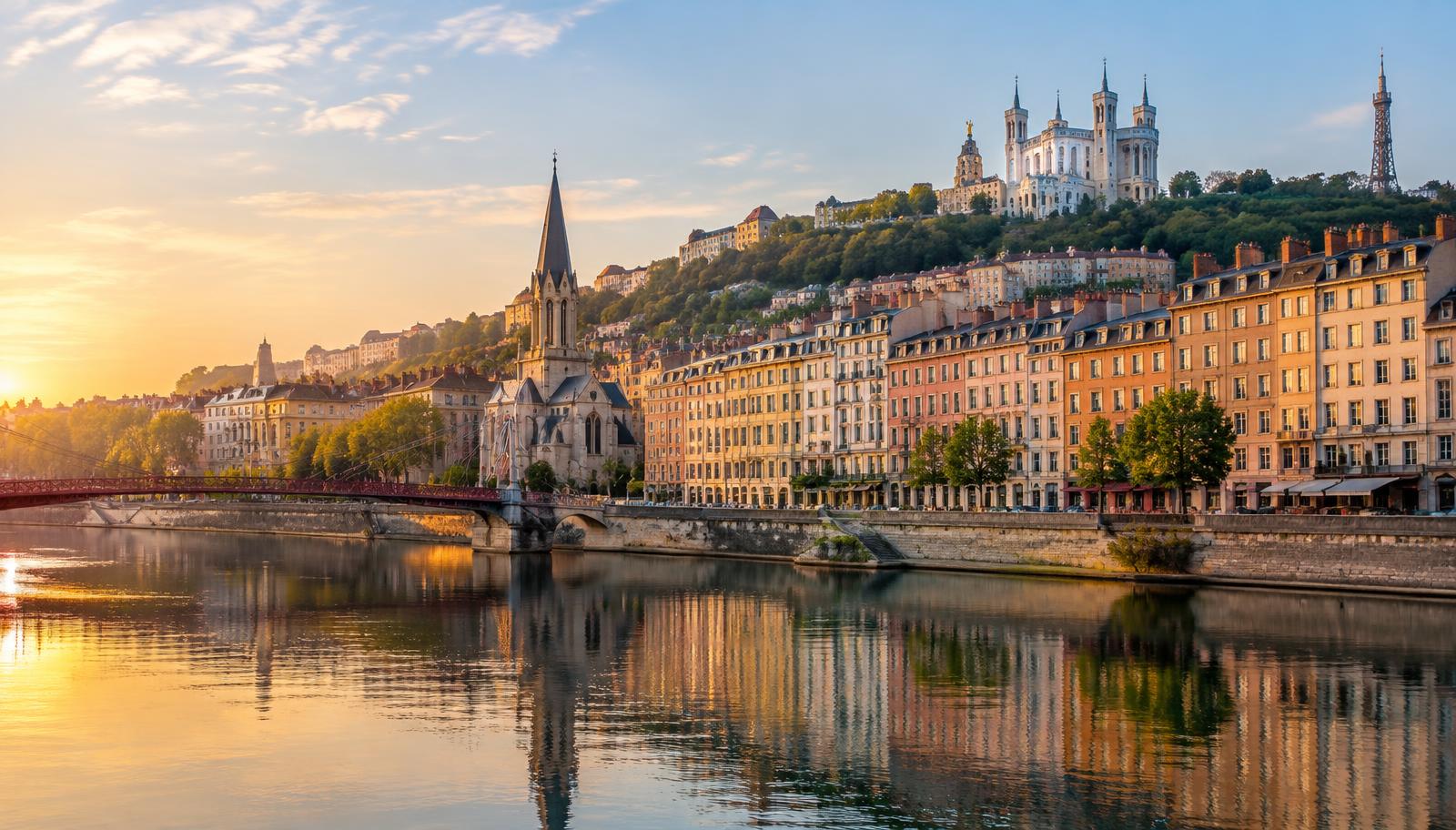
Lyon at a Slower Pace: Rivers, Markets and Long Lunches
A slow guide to Lyon: where to stay, a relaxed three-day rhythm, bouchons, markets, river walks and easy escapes to Beaujolais.
· 8 min read
Travel
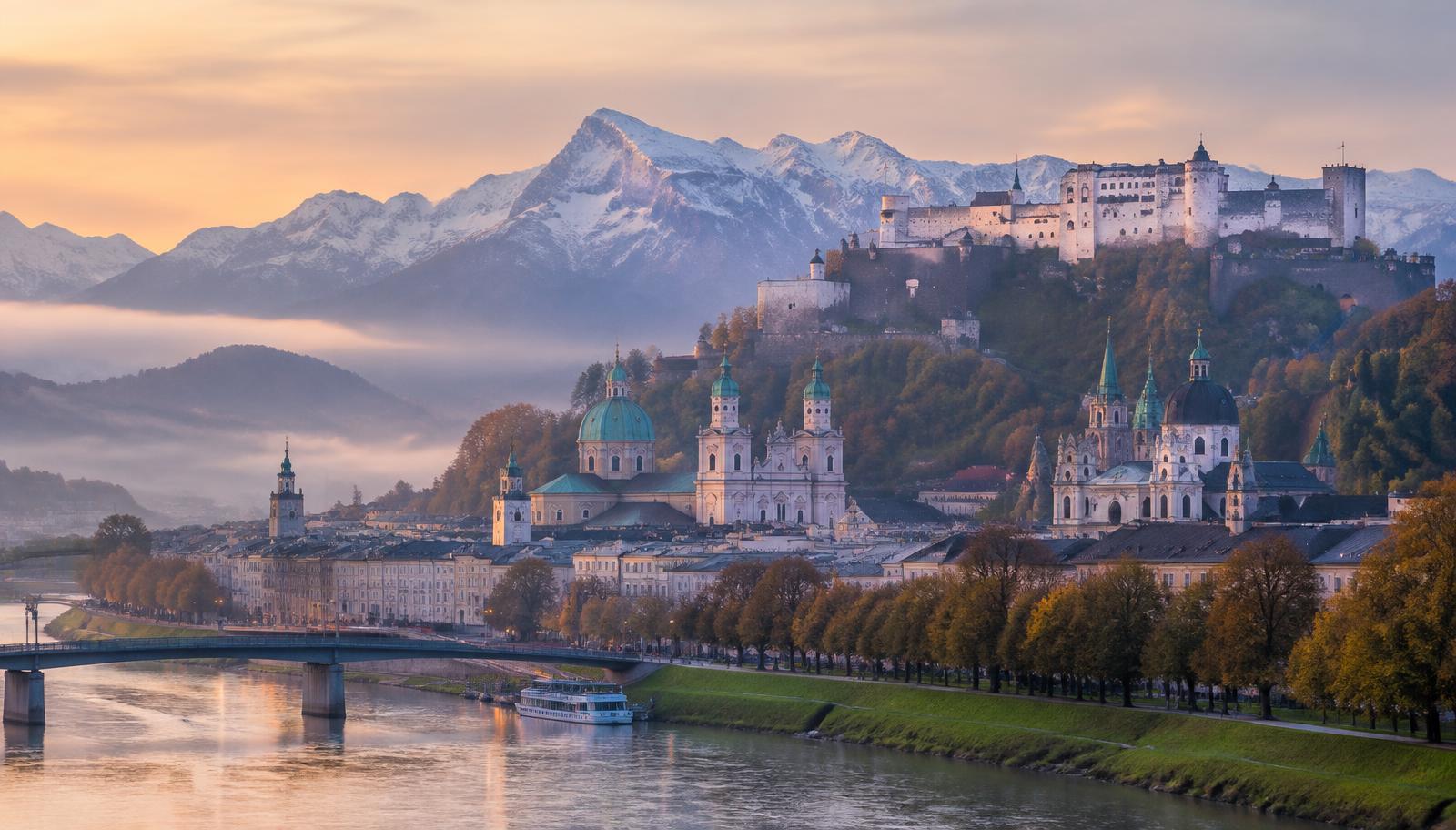
Salzburg at a Slower Pace: Baroque Squares, Hill Walks and Alpine Lakes
A slow guide to Salzburg: where to stay, a calm three-day rhythm, coffee-house culture, hilltop walks and gentle lake-district escapes.
· 7 min read
Travel
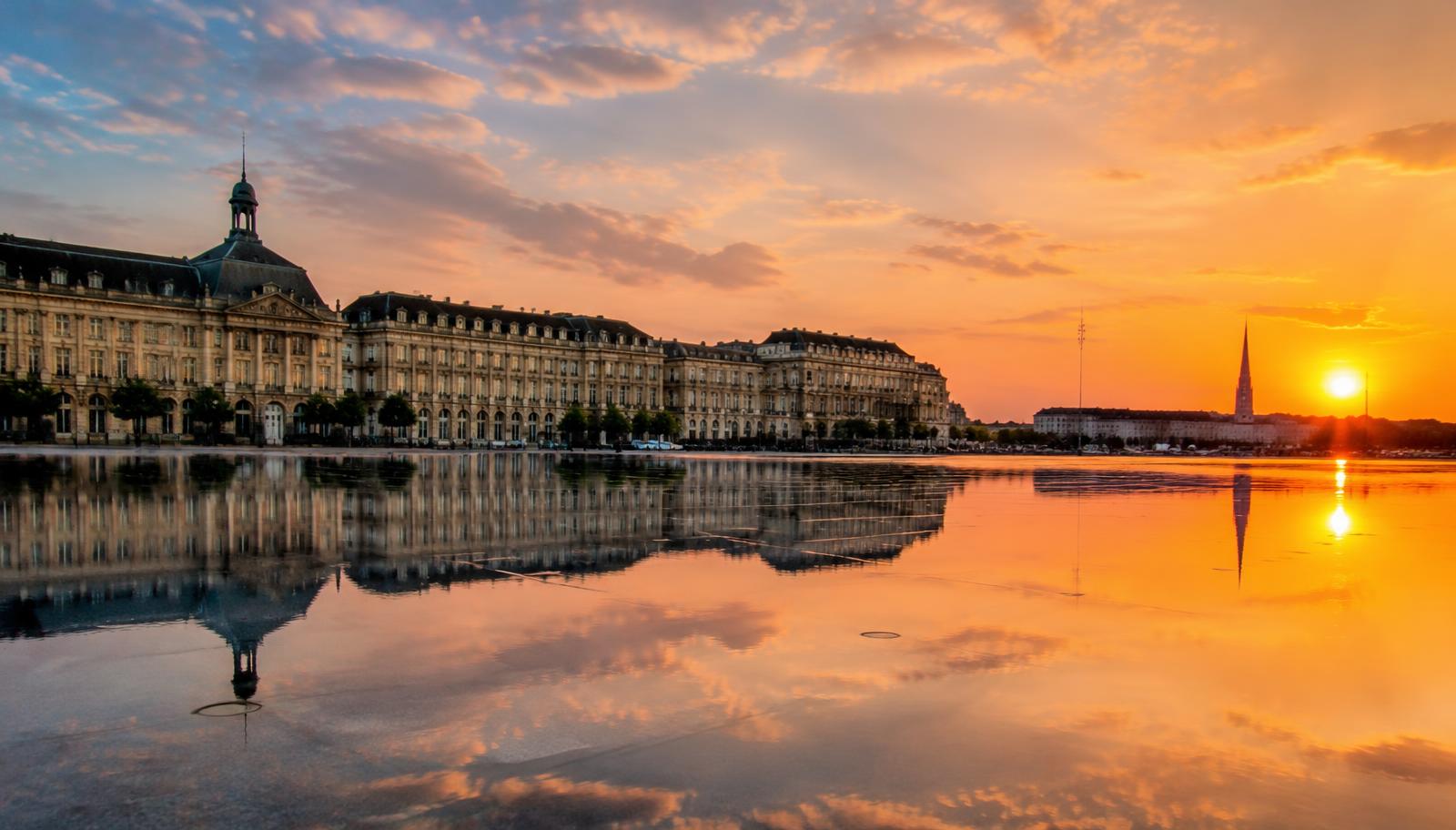
Bordeaux at a Slower Pace: Stone Streets, River Evenings and Wine Country
A slow guide to Bordeaux: where to stay, a relaxed three-day rhythm, markets, wine bars and easy trips to Saint-Émilion and the Atlantic coast.
· 7 min read