Lyon at a Slower Pace: Rivers, Markets and Long Lunches
· 8 min read
Disclosure: Some links are affiliate links; we may earn a commission at no extra cost to you.
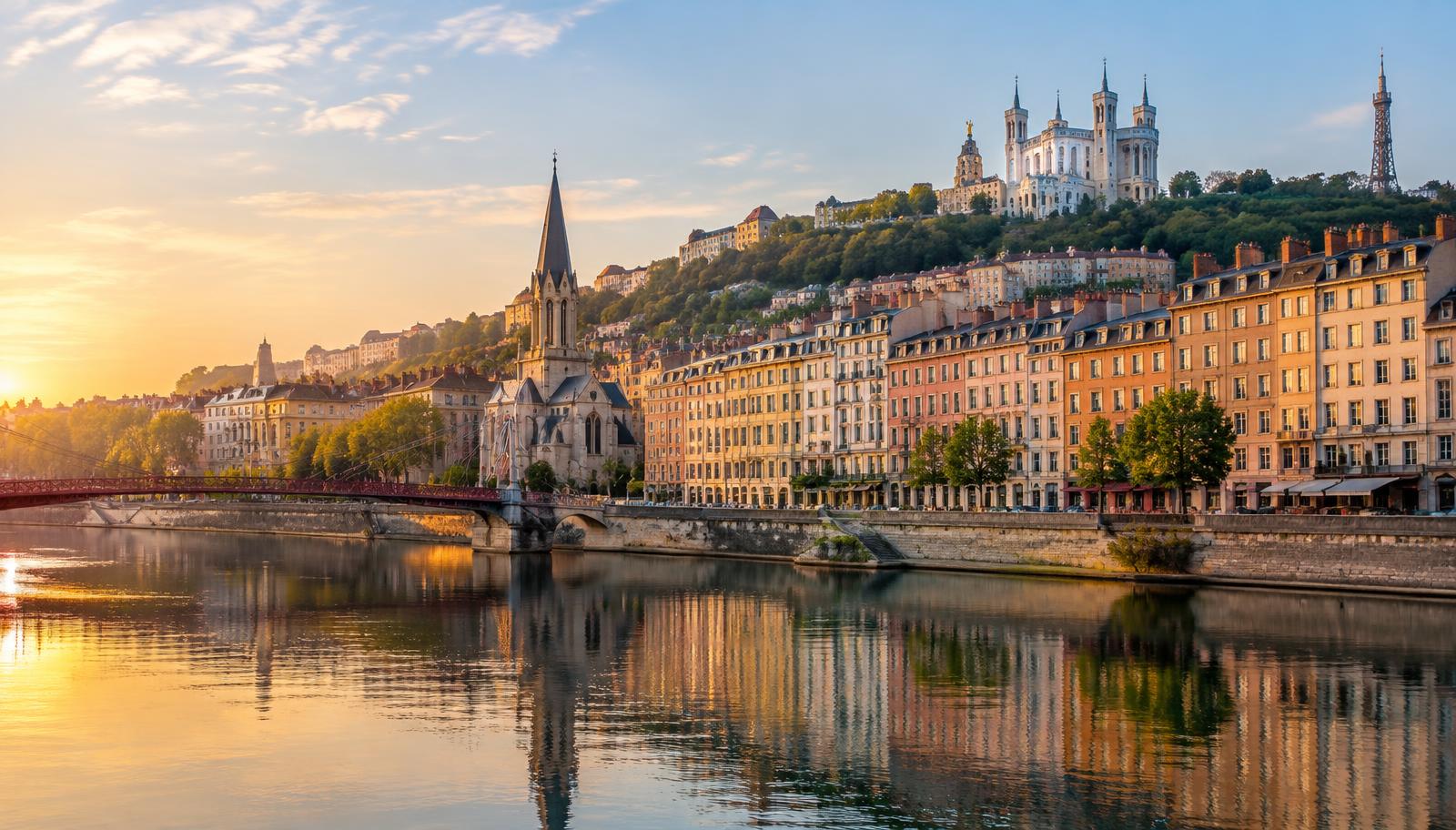
Lyon rarely makes the first list of French cities people plan to visit, and that is exactly why it rewards slow travellers. It sits where two rivers meet, the Rhône and the Saône, with a Renaissance old town on one bank, a hill crowned by a white basilica above it, and a long, elegant peninsula of squares and arcades in between. It is a working city rather than a museum, which means its markets, bistros and riverside paths are built for the people who live here. Stay a few days, settle into a neighbourhood and Lyon becomes one of the most comfortable places in Europe to simply live well for a while.
This guide covers where to stay, how to get around, a relaxed three-day rhythm, what and how to eat, and a few easy escapes beyond the city. We have deliberately left out prices and opening times, because they change often. Check those directly when you plan, and use the booking options on this page to compare stays for your dates.
Where to stay in Lyon
Lyon is a city of distinct quarters, and choosing the right one shapes your whole trip. The key question is whether you want to be in the middle of things or slightly to one side of them.
The peninsula between the two rivers is the most convenient base. Wide squares, shopping streets and grand façades make it easy to walk almost everywhere, and the riverbanks on both sides are minutes away. It is lively during the day and calmer in the evenings, especially on the side streets.
The old town on the west bank of the Saône is the most atmospheric option. Its narrow cobbled lanes, Renaissance courtyards and hidden passageways feel centuries away from the modern city. The trade-off is that the main lanes can be busy with visitors in the middle of the day, and some streets have restaurants that cater mainly to tourists. Choose a room on a quieter side lane and you will enjoy the area at its best: early in the morning and late in the evening.
The hill quarter to the north of the peninsula, once home to the city's silk weavers, is our favourite for a slow stay. It has a village feel, with steep stairways, small cafés, independent shops and views down over the rooftops. It suits travellers who do not mind a climb and who want to feel like temporary residents rather than visitors.
Whichever area you choose, look for somewhere with a small kitchen or at least a fridge. Lyon's markets are so good that you will want to bring food home.
Getting there and getting around
Lyon is well connected by high-speed train with Paris, the south of France and other European cities, and it has an international airport outside the city. Arriving by train is the gentlest option, as the main stations are close to the centre and connected to public transport.
Once you are here, you will barely need anything but your feet. The centre is compact, the riverbanks have long, flat walking and cycling paths, and the city's metro, trams and buses cover the rest. Funiculars climb the hill to the basilica and the Roman theatres, which saves your legs on the steepest climb. Check current routes and ticket options before your first ride, and consider a multi-day pass if you plan to use transport often.
Lyon also has a public bike-share scheme, and the riverside paths are among the most pleasant urban cycling routes in France. A slow afternoon pedalling along the Rhône is one of the best ways to understand the scale of the city.
A slow three-day rhythm
The best way to experience Lyon is to give each day one main theme and leave plenty of room around it. Here is a rhythm that works well.
Day one: the old town and the hill
Begin early in the old town, before the lanes fill up. Wander without a plan and look for the traboules, the covered passageways that run through buildings and courtyards, connecting one street to the next. Many are open to the public during the day; walk quietly, as people live here.
After a long coffee, take the funicular up the hill. The basilica at the top is striking inside and out, but the real reward is the terrace view across the rooftops, the rivers and, on clear days, towards the Alps. Walk down through the gardens rather than taking the funicular back, and stop at the Roman theatres on the way. Sitting on the ancient stone steps in the afternoon sun is one of the quietest pleasures in the city.
Spend the evening back in the old town, choosing a restaurant on a side street rather than the main lane.
Day two: markets, the peninsula and the rivers
Lyon's food culture begins at the market, so start your second day there. The city's famous covered food hall is a gathering place for local producers, cheesemongers, butchers, oyster stands and pastry makers. Go mid-morning, look rather than rush, and buy a few things for a picnic. On many mornings there are also outdoor markets along the riverbanks, where locals shop for vegetables, fruit and flowers.
Carry your picnic down to the Rhône and eat it on the banks. In the afternoon, walk the peninsula from end to end, crossing its great squares and stopping in a bookshop or café whenever one appeals. As evening falls, walk along the Saône and watch the lights come on in the old town across the water.
Day three: the silk weavers' hill and the park
Dedicate your third day to the hill quarter. Climb the stairways slowly, explore the small streets and courtyards, and look for the tall windows of the old weaving workshops, built to let in light for the looms. The neighbourhood has a market most mornings, plenty of cafés and a relaxed, creative atmosphere.
In the afternoon, head to the large park north-east of the centre. It has lakes, wide lawns, botanical greenhouses and a free zoo, and it is where Lyon families go to breathe on a weekend. Bring a book, find a bench by the water and give yourself permission to do nothing in particular.
What to eat and drink
Lyon is often called the food capital of France, and while that claim is debated, there is no question that eating well is central to life here.
The city's traditional restaurants are called bouchons. They are small, convivial places serving hearty, unfussy dishes: sausages, pâtés, quenelles in creamy sauce, lentil salads and generous portions of cheese. A real bouchon has a short menu, a busy room and a sense that everyone has been coming for years. Ask locals or your host which ones they like, as quality varies and some places use the name mainly for visitors.
At the market, look for local cheeses, especially a soft, creamy cheese from the region, and the city's famous pink praline, which appears in tarts and brioche. Lyon's bakeries are excellent, and buying a fresh loaf and something sweet each morning becomes a pleasant ritual.
For wine, you are surrounded by good regions. Beaujolais lies just to the north, and the northern Rhône vineyards are a short way south. Most bistros offer good local wines by the glass or carafe, so you can try something different with each meal.
A few habits make eating in Lyon more relaxed:
- Book ahead for dinner at popular bouchons, especially at weekends.
- Eat your main meal at lunch when you can. Many restaurants offer a set lunch menu that is lighter and better value than dinner.
- Expect long meals. Service is often unhurried, which is the whole point.
Easy escapes beyond the city
If you have more than three days, Lyon makes an excellent base for gentle day trips.
The Beaujolais hills to the north are a landscape of rolling vineyards and golden-stone villages. A day spent driving or cycling between villages, with a long lunch in between, is a classic slow-travel escape. Look for local tour operators or guided tastings if you prefer not to drive.
The medieval village of Pérouges, east of Lyon, is a small, beautifully preserved hilltop village with cobbled lanes and old stone houses. It is quiet, compact and perfect for an unhurried afternoon.
Vienne, a short train ride south along the Rhône, has impressive Roman remains, a relaxed riverside atmosphere and a well-known summer jazz festival. Check event dates before you go if you want to time your visit.
You can use the tours and activities button on this page to look for guided options around Lyon if you would rather someone else handles the logistics.
When to go
Lyon is pleasant for much of the year. Spring brings blossom in the parks and comfortable walking weather. Early autumn is wonderful for food, with harvest produce in the markets and the wine regions at their most beautiful. Summer can be hot, but the riverbanks come alive with outdoor bars and evening strolls. Winter is quieter and colder, but the city's festival of lights in early December transforms the streets for a few nights, and cosy bouchons are especially appealing on cold evenings. Check the festival dates before booking, as accommodation fills quickly.
Practical tips for a slow stay
- Stay at least three nights. Lyon reveals itself slowly, and day trips from Paris miss most of its character.
- Walk the riverbanks daily. They are the city's living rooms, especially in the early morning and evening.
- Pack comfortable shoes. The old town is cobbled and the hill quarters are steep.
- Shop like a local. Buy breakfast at the market or a bakery rather than a hotel.
- Respect the traboules. They are passageways through people's homes, so keep voices low.
- Leave space in your plans. Some of the best moments come from following a stairway just to see where it leads.
Final thoughts
Lyon is not a city of famous sights you can tick off in an afternoon. It is a city of long lunches, river walks, market mornings and evenings that stretch out over a carafe of local wine. Give it time, and it will give you a sense of how good everyday life can be.
If you are travelling on through the south, our Nice guide continues the journey to the Riviera, and our Turin guide is an easy onward trip across the Alps into Italy. And when you are home again, our Slow Living Between Trips article will help you keep the same unhurried rhythm in everyday life.
Where to stay
Browse places to stay around Lyon, France. Prices change, so compare the live rate with the real price and dates shown above. Bookings made through these links may earn us a commission.
Related posts
Travel
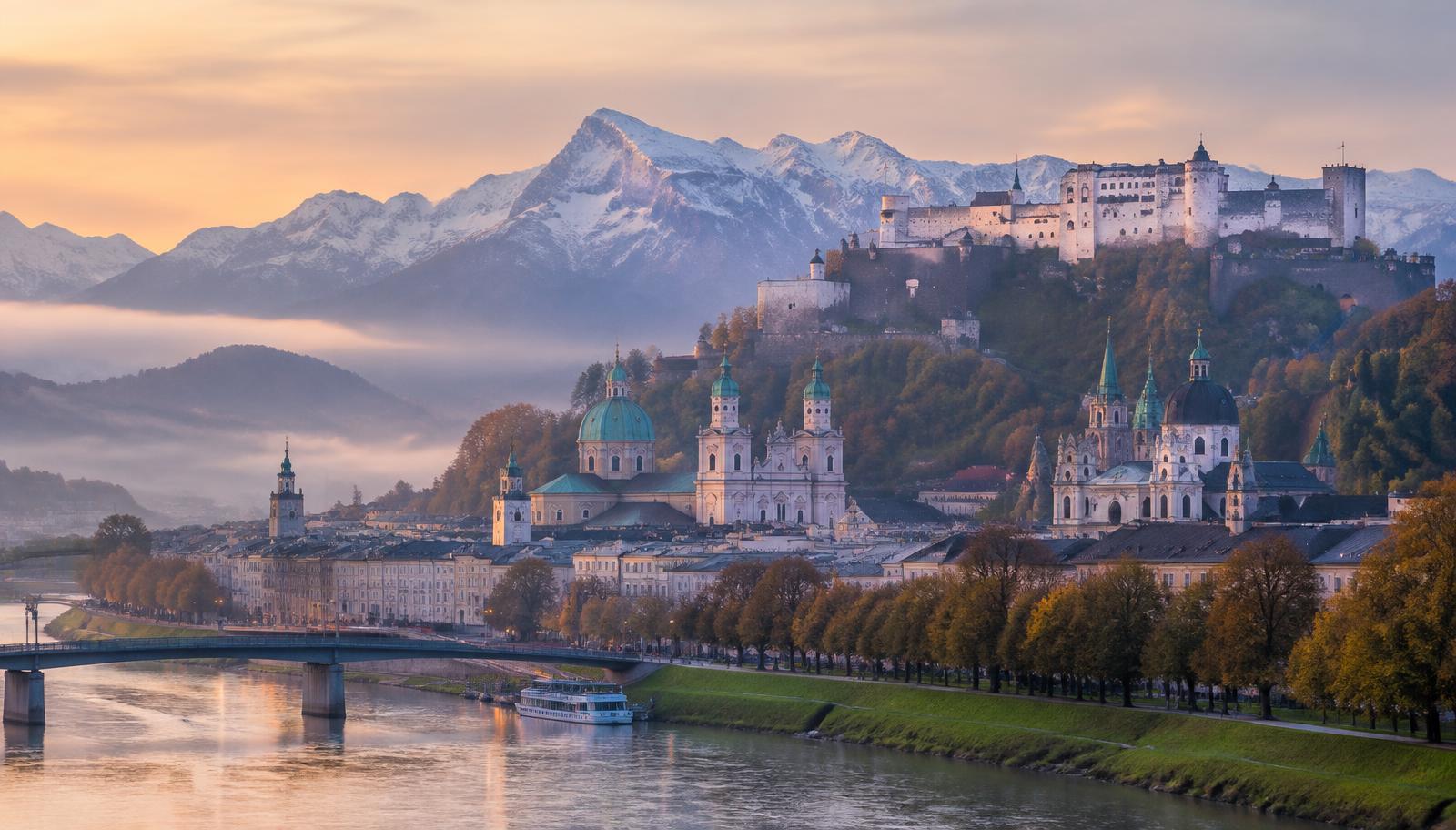
Salzburg at a Slower Pace: Baroque Squares, Hill Walks and Alpine Lakes
A slow guide to Salzburg: where to stay, a calm three-day rhythm, coffee-house culture, hilltop walks and gentle lake-district escapes.
· 7 min read
Travel
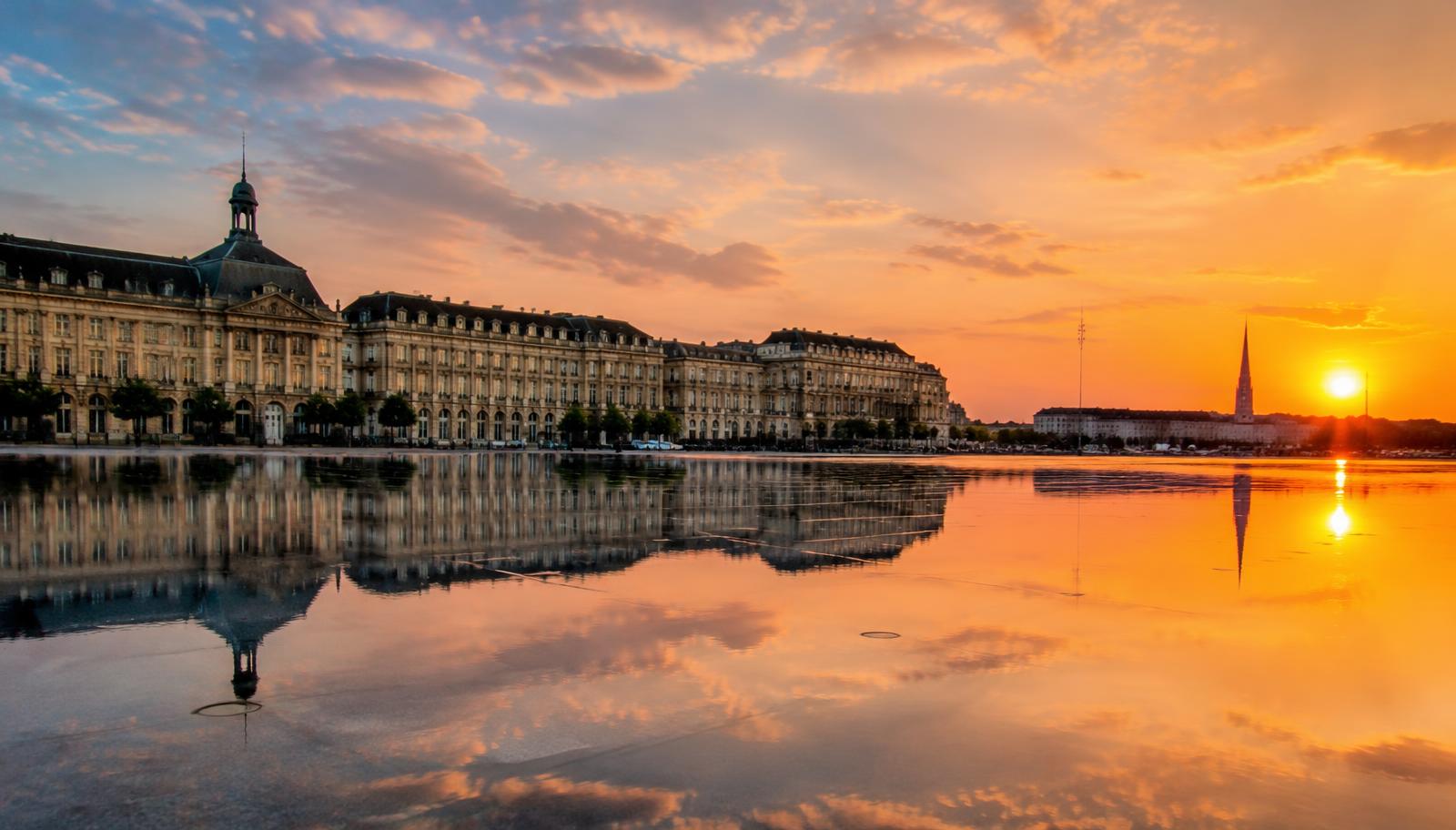
Bordeaux at a Slower Pace: Stone Streets, River Evenings and Wine Country
A slow guide to Bordeaux: where to stay, a relaxed three-day rhythm, markets, wine bars and easy trips to Saint-Émilion and the Atlantic coast.
· 7 min read
Travel
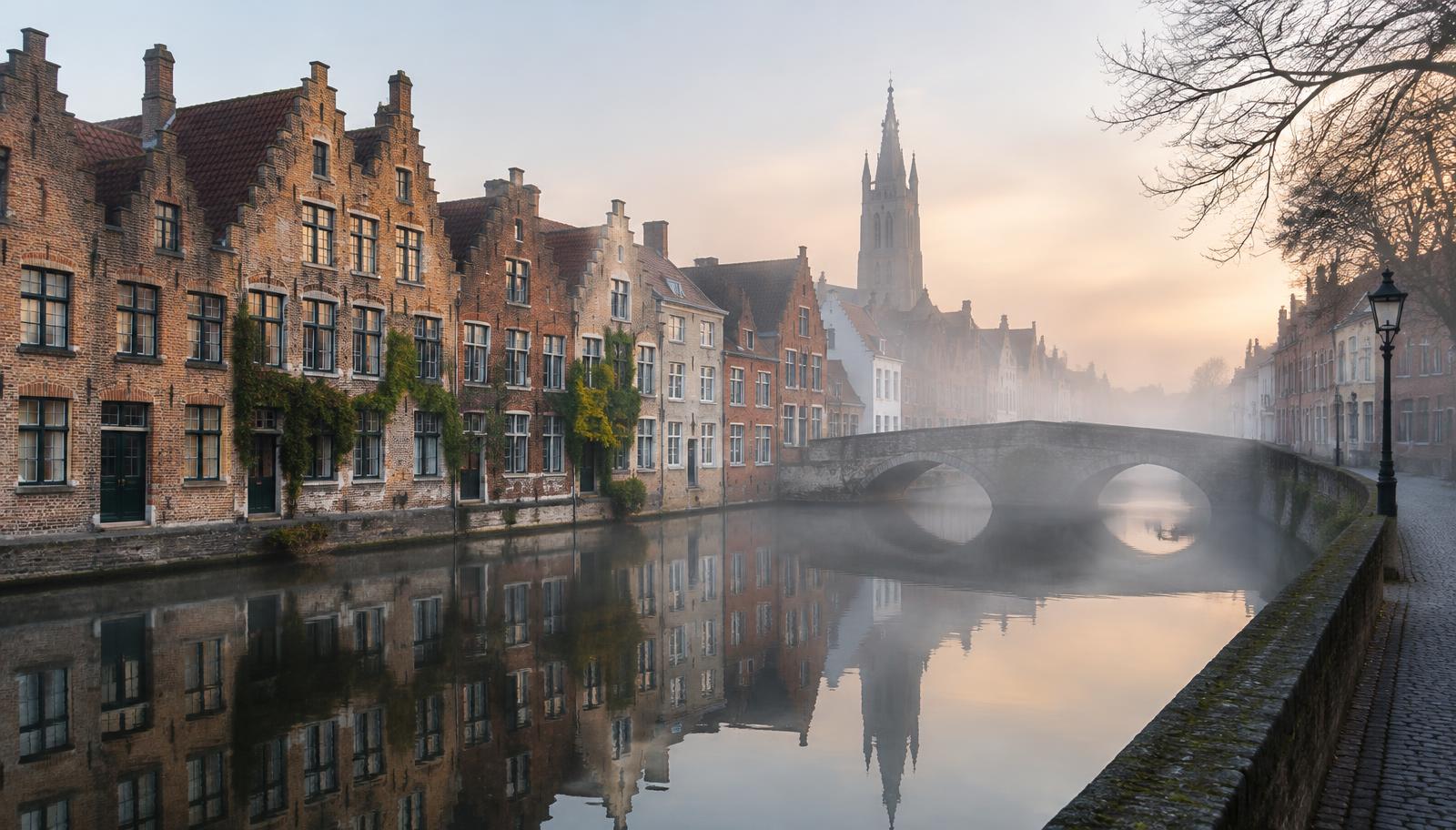
Bruges at a Slower Pace: Quiet Canals and Early Mornings
Stay the night and Bruges becomes yours: where to stay, three slow days of canals, art and windmills, and what to eat.
· 7 min read