Rome at a Slower Pace: Piazzas, Neighbourhoods and Long Lunches
· 7 min read
Disclosure: Some links are affiliate links; we may earn a commission at no extra cost to you.
Rome is often presented as a race. There are ancient ruins, papal collections, famous fountains and a long list of churches, each one competing for the same few days. Visitors who try to see everything frequently leave with sore feet and a blur of photographs. A slower visit asks a different question: what would it feel like to live in this city for a few days, rather than survey it?
This guide suggests three unhurried days, with one main cultural focus each day and generous room for meals, wandering and rest. It is a researched general guide, not a report of a personal stay. Hotel prices, opening arrangements and ticket rules change often, so confirm current details directly with each venue before you go. Choose the parts that interest you, and leave the rest for another visit. Rome has a way of encouraging return trips.
Choose a neighbourhood, not just a room
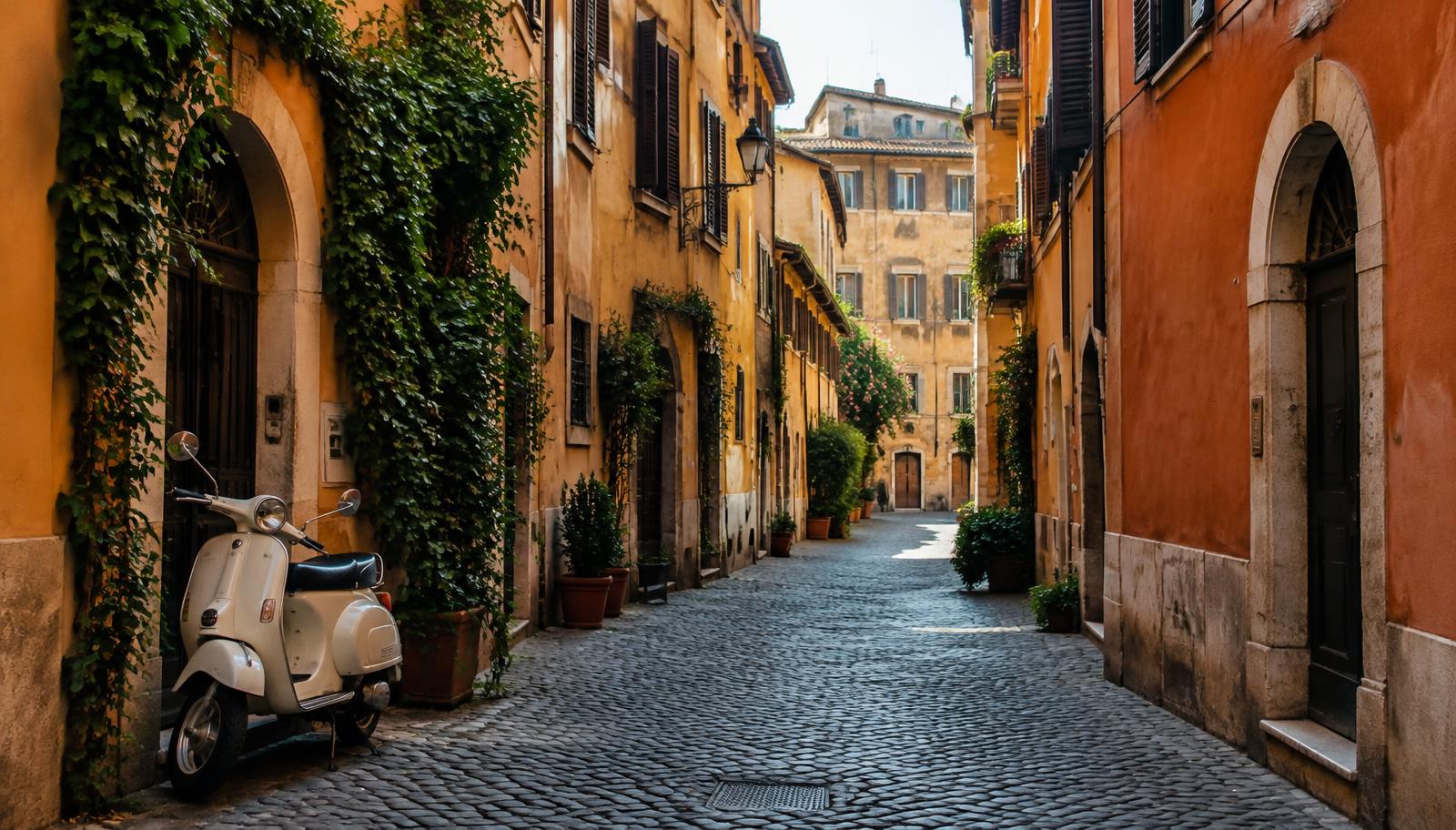
Start with the daily experience you want. Trastevere, across the Tiber from the historic centre, is known for narrow lanes, ivy-covered facades and an evening atmosphere that spills into its small squares. It suits visitors who like to step out of the door and find a café immediately. That same liveliness can mean late-night noise, so read recent reviews about street-facing rooms and ask whether quieter rooms are available at the back of the building.
Monti, tucked between the Colosseum and the main railway station, offers a village feel within easy walking distance of the ancient sites. Its streets hold independent shops, small restaurants and a much-loved fountain square where locals gather in the evening. It works well for travellers who want to walk to most places and still have a neighbourhood to return to.
The area around Campo de' Fiori and Piazza Navona puts much of the historic centre on your doorstep. Mornings here can be wonderfully calm before the day's visitors arrive. Prati, near the Vatican, is more residential and orderly, with broad streets and a practical metro connection. It can be a sensible base for people who value sleep and straightforward transport over postcard atmosphere.
Before paying, compare the total price for your dates, cancellation conditions, breakfast, local tourist taxes and check-in arrangements. Many central buildings are old, so check for lifts and stairs if that matters to you. The booking links below are the owner's general affiliate links, not endorsements of individual properties. Enter Rome and your dates, then compare the same room type across providers.
Day one: the historic centre at walking speed
Begin early at the Pantheon, ideally before the square fills. Stand inside for a few minutes and watch how light falls through the open oculus at the top of the dome. The building has been in continuous use for close to two thousand years, and its proportions reward a quiet look rather than a quick photograph. Check current entry arrangements before you go, as ticketing and opening times can change.
From there, wander without a fixed route. Piazza Navona is a few minutes away, its long oval shape tracing the outline of an ancient stadium. Sit on a bench and notice the fountains, the street painters and the slow movement of people across the stones. Nearby lanes lead towards Campo de' Fiori, which hosts a morning market. Even if you buy nothing, it is a good place to see the city start its day.
Take a long lunch. In Rome, lunch is not an interruption to sightseeing; it is part of the experience. Afterwards, rest. The afternoon heat in warmer months can be intense, and returning to your room for an hour is a reasonable choice rather than a lost opportunity. In the early evening, walk to the Trevi Fountain once the day crowds thin a little, then continue towards the Spanish Steps as the light softens.
Day two: ancient Rome, then the hills of Monti
Give the morning to ancient Rome. The Colosseum, Roman Forum and Palatine Hill form one of the most visited areas in the city, so book timed tickets in advance through the official channels and arrive at your slot rather than queuing on the day. Rather than trying to read every sign, choose a few things to focus on: the curve of the arena, the paving of the old roads, the view over the Forum from the Palatine.
Bring water, a hat and comfortable shoes. The ground is uneven, shade can be limited and distances are longer than they appear on a map. If guided context would help, a small-group tour can make the ruins easier to understand. The tours link below is a starting point for comparing options.
In the afternoon, walk up into Monti. Its sloping streets feel far removed from the crowds a few minutes away. Browse a bookshop or a vintage store, then sit near the fountain in Piazza della Madonna dei Monti as the neighbourhood gathers for the evening. Dinner can be simple: a plate of pasta, a glass of wine and no hurry to leave.
Day three: Trastevere, the river and an open afternoon
Cross the Tiber to Trastevere in the morning, when its lanes are quiet and shopkeepers are opening their shutters. Visit the Basilica of Santa Maria in Trastevere and spend a moment with its golden mosaics. Then let the streets lead you. This is a neighbourhood best experienced by turning corners rather than following a list.
If you have energy, climb towards the Janiculum Hill for a broad view across the city's domes and rooftops. It is a gentle reward that costs nothing and gives a sense of how Rome fits together. Alternatively, walk along the river embankment, where the pace drops noticeably below street level.
Keep the afternoon open. You might return to a place you liked, visit the Villa Borghese gardens, or simply read in a café. If you would like to see the Borghese Gallery or the Vatican Museums, treat either as the single major visit of the day and book ahead, as both commonly require reservations. A slower trip does not mean seeing nothing; it means seeing less, with more attention.
Eat thoughtfully, without a compulsory checklist
Roman cooking provides several clear starting points. Cacio e pepe combines pasta, pecorino cheese and black pepper; carbonara uses egg, cured pork cheek and cheese; amatriciana adds tomato. Supplì, fried rice balls with a melting centre, make an easy snack. In spring, artichokes appear on many menus. These are possibilities, not obligations.
A few habits make meals more enjoyable. Coffee is often taken standing at the bar, quickly and inexpensively. Lunch tends to begin around one o'clock and dinner later than many visitors expect. Restaurants directly beside the biggest landmarks are often busier and pricier, so walking a few streets away usually widens your choices. Look for short menus that change with the season.
If you have dietary needs, say so clearly when ordering. Many kitchens can adapt, but it helps to ask early rather than at the end of the meal. Tap water from Rome's public drinking fountains is a long-standing local tradition and a practical way to refill a bottle during the day.
Getting around and keeping the trip manageable
Much of central Rome is best explored on foot, and walking is how many of its small surprises reveal themselves. Distances add up quickly, though, and cobbled streets are tiring. Buses, trams and a metro network help connect areas, and tickets must normally be validated when you board. Check current fares and routes with the local transport operator before relying on a specific connection.
Plan each day around one area to avoid crossing the city repeatedly. Build in rest, especially in summer. Carry a light layer for church visits, as shoulders and knees are often expected to be covered. Keep an eye on bags in crowded places and on public transport, as you would in any large city.
Finally, accept that you will not see everything. Rome has been accumulating history for millennia. Leaving something for another trip is not a failure of planning; it is part of the city's invitation.
Book your stay and continue the journey
Compare accommodation through Agoda, Booking.com, Hotels.com or Vrbo. For optional guided experiences, browse tours and activities on GetYourGuide. These are affiliate links: SlowCompass may earn a commission at no extra cost to you.
For another Italian city with a different rhythm, read our Naples guide or Florence guide, or slow down further in the countryside with our Tuscany guide. Back home, Slow Living Between Trips brings the same unhurried spirit into ordinary days.
Where to stay
Browse places to stay around Rome, Italy. Prices change, so compare the live rate with the real price and dates shown above. Bookings made through these links may earn us a commission.
Related posts
Travel
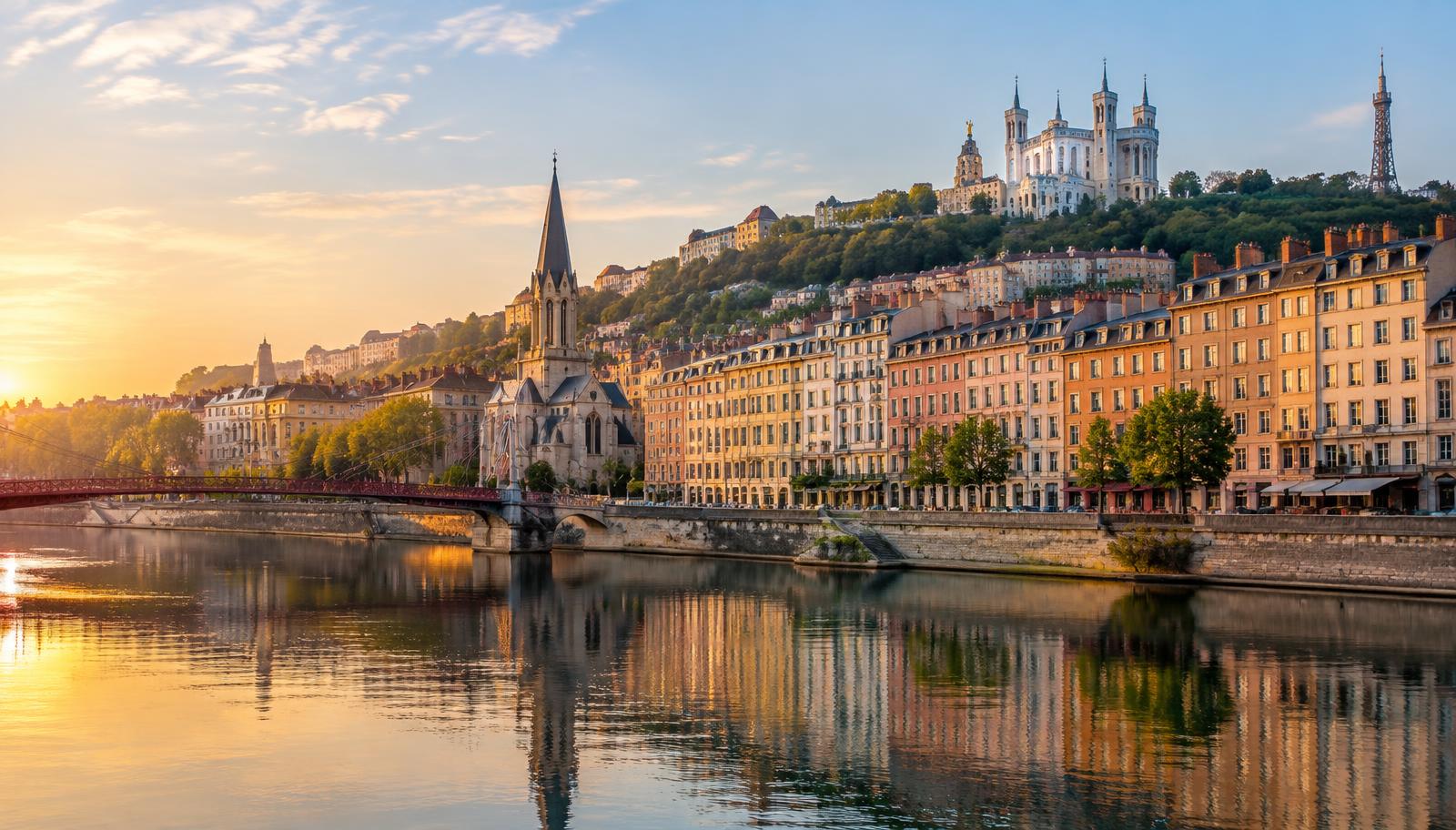
Lyon at a Slower Pace: Rivers, Markets and Long Lunches
A slow guide to Lyon: where to stay, a relaxed three-day rhythm, bouchons, markets, river walks and easy escapes to Beaujolais.
· 8 min read
Travel
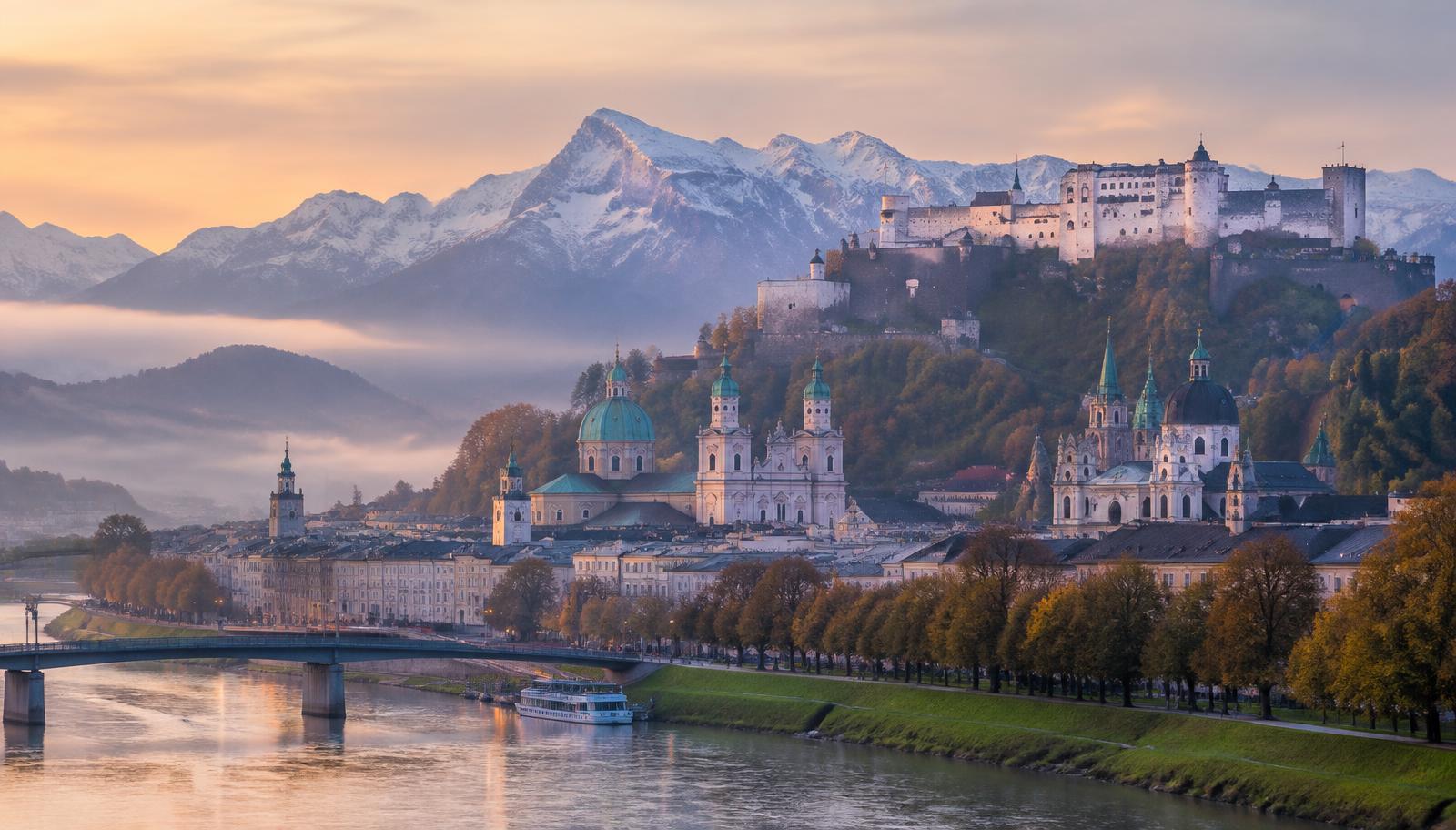
Salzburg at a Slower Pace: Baroque Squares, Hill Walks and Alpine Lakes
A slow guide to Salzburg: where to stay, a calm three-day rhythm, coffee-house culture, hilltop walks and gentle lake-district escapes.
· 7 min read
Travel
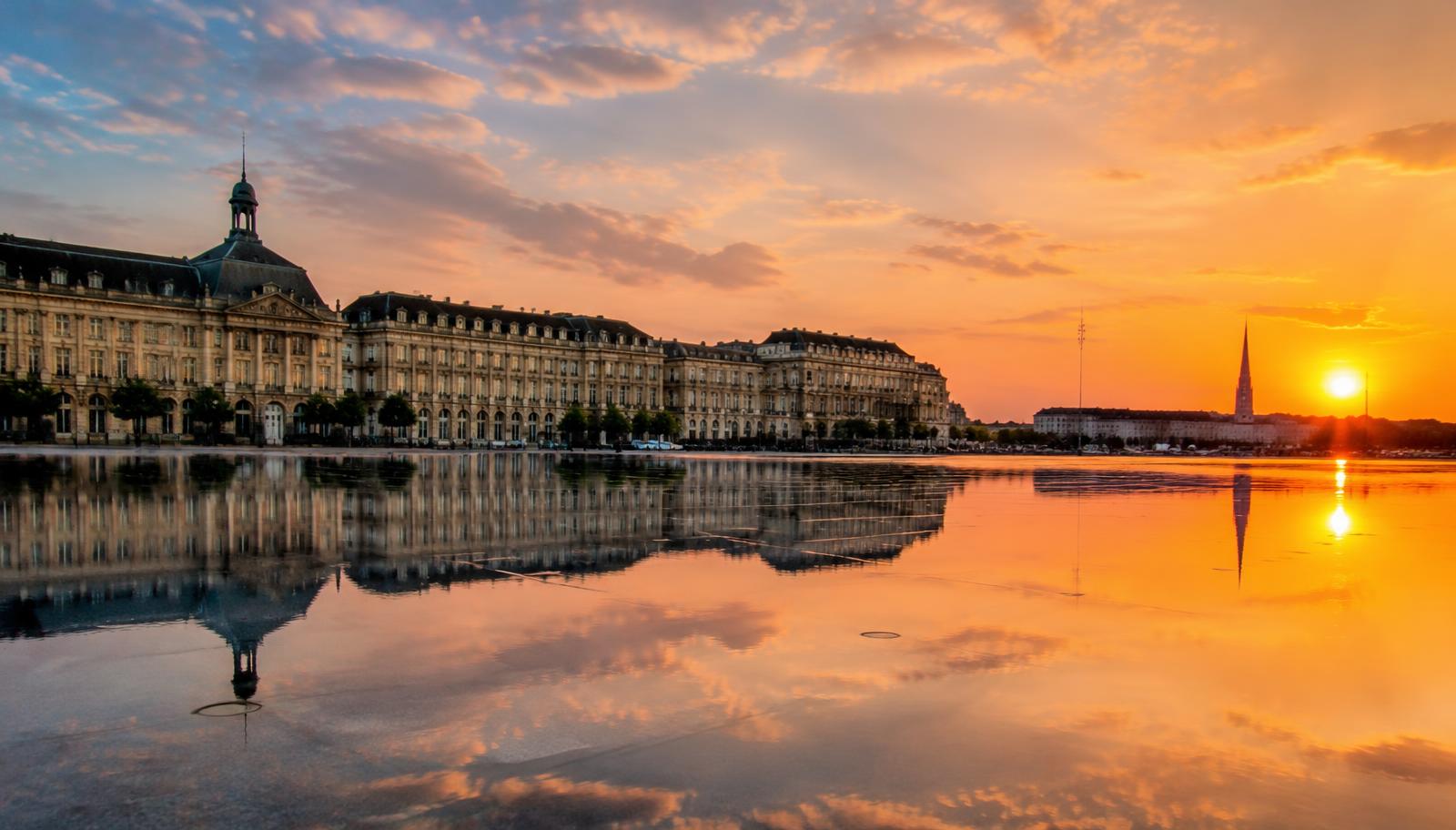
Bordeaux at a Slower Pace: Stone Streets, River Evenings and Wine Country
A slow guide to Bordeaux: where to stay, a relaxed three-day rhythm, markets, wine bars and easy trips to Saint-Émilion and the Atlantic coast.
· 7 min read