Florence at an Unhurried Pace: A Three-Day Slow Travel Guide
· 7 min read
Disclosure: Some links are affiliate links; we may earn a commission at no extra cost to you.
Choose a base that suits your daily rhythm
Florence rewards staying close enough to walk home between outings. Its historic center is compact, but the atmosphere changes noticeably from one street to the next. Before booking, consider whether your priority is immediate access to major sights, quieter evenings, or a neighborhood with everyday shops and places to sit.
The area around the Duomo puts Renaissance landmarks within easy reach, although busy pedestrian routes can remain lively into the evening. Santa Maria Novella is convenient for rail arrivals and onward journeys; check the precise street rather than judging the whole district by its station frontage. Santa Croce offers historic surroundings and an active evening scene, which may not suit light sleepers.
Across the Arno, Santo Spirito and San Frediano make appealing bases for exploring the Oltrarno, with workshops, residential streets, and neighborhood squares. They are not uniformly quiet, so ask about street-facing rooms and nearby nightlife. Wherever you stay, confirm stairs, lift access, air conditioning when relevant, and the walking route from your arrival point. Older buildings often involve steps even when a lift is available.
Get around on foot, with transport as support
Walking is the simplest way to understand central Florence. Distances between landmarks are manageable, but stone paving, narrow pavements, crowds, and summer heat can make a short route more demanding than it appears. Plan around clusters of sights rather than repeatedly crossing the center. Comfortable shoes matter more than an ambitious daily step count.
Florence's tram network is useful for selected journeys beyond the old center, including travel between the airport and the city. Buses extend the network into surrounding neighborhoods and hills. Consult current official route information before setting out, since service patterns and ticketing arrangements can change. Follow the validation or activation instructions for the ticket you purchase; holding a ticket is not always the same as having a valid journey.
A car is usually a burden for a central stay. Restricted traffic zones, access rules, and parking make casual driving unsuitable, and accommodation access should never be assumed. For a slower arrival, travel light enough to manage your luggage over uneven surfaces. Leave space in your first day for finding your bearings rather than arranging a timed visit immediately after reaching the city.
Give the major sights room to breathe
Florence's artistic wealth is easier to absorb when each day has one main cultural commitment. The Uffizi is especially strong in Italian Renaissance painting, while the Accademia is best known for Michelangelo's David. Either can anchor a morning without requiring another major museum afterward. Reserve through official channels where advance booking is available, and distinguish admission arrangements from any separate reservation requirements.
The cathedral complex deserves the same deliberate approach. The cathedral, dome, bell tower, baptistery, and museum are distinct experiences, with access conditions that can differ. Dome and tower climbs involve substantial stairs and are not suitable for every visitor. Choose the elements that genuinely interest you instead of treating the complex as a checklist.
For a different perspective, cross into the Oltrarno for the Pitti Palace or Boboli Gardens. The gardens include slopes and exposed stretches, so weather and mobility should shape your plans. Santa Croce and Santa Maria Novella offer further encounters with art, architecture, and religious history.
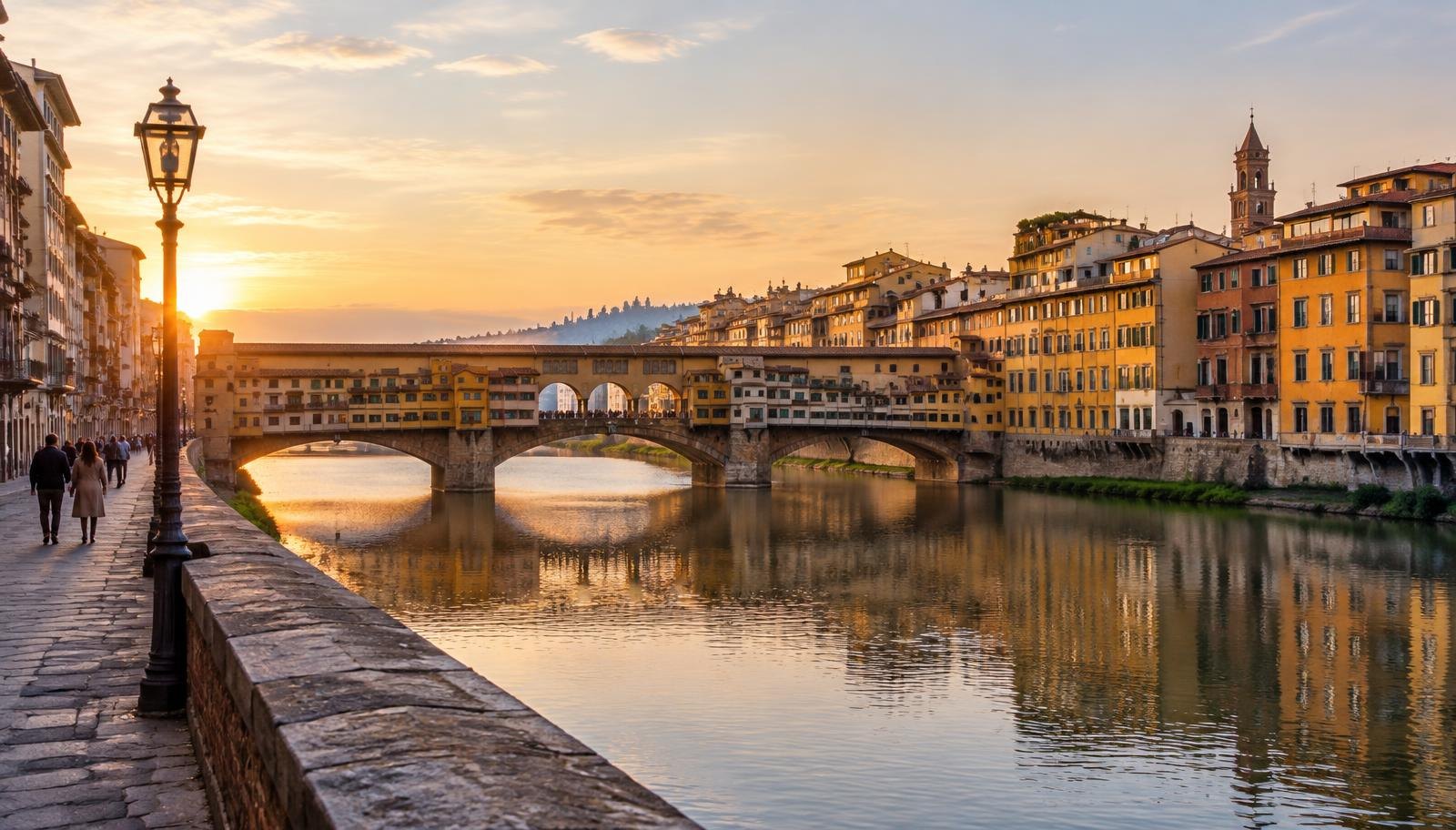
Between formal visits, let the city itself provide the next hour: a courtyard, a riverside pause, or the changing view of Ponte Vecchio from another bridge. Looking twice can be more rewarding than adding another entrance ticket.
Follow the rhythms of Tuscan food
Florentine food is rooted in Tuscan traditions of bread, beans, vegetables, olive oil, and meat. Ribollita is a substantial bread-and-vegetable soup associated with resourceful home cooking; pappa al pomodoro combines bread and tomatoes. Recipes and availability vary with the kitchen and season. These dishes offer a useful counterpoint to the city's better-known meat specialties.
Bistecca alla fiorentina is traditionally a thick steak intended for sharing and generally served rare. Ask about the cut, size, cooking approach, and how the final charge is calculated before ordering. Lampredotto, made from a particular part of the cow's stomach, belongs to Florence's street-food culture. Neither is compulsory: a satisfying food journey can equally center on vegetables, pulses, pasta, and seasonal produce.
Allow a proper pause for lunch rather than eating only while moving between sights. At cafés, table service and counter service may be priced differently; read the displayed information and menu. Check whether a cover charge applies at meals. For allergies or dietary requirements, explain the specific ingredients you must avoid and confirm preparation with staff. Traditional-looking dishes are not reliable guides to hidden meat stock, dairy, or gluten.
A detailed three-day slow itinerary
Day one: the historic center and the river. Begin with an orientation walk around Piazza del Duomo, leaving time to look at the cathedral exterior from several sides. If the cathedral complex is your main interest, use a booked visit for selected elements rather than attempting everything. Otherwise, continue through the central streets toward Piazza della Signoria, noticing how civic buildings and public sculpture shape the square.
Pause for lunch before reaching the Arno. Walk along the river and cross Ponte Vecchio without expecting it to be quiet throughout the day. Continue into the Oltrarno for a rest around Santo Spirito, choosing a seat where you are welcome rather than occupying church steps. Keep the afternoon flexible: a short neighborhood walk may be enough after travel. Return by a different bridge for another view of the river, then eat near your base.
Day two: one museum and a neighborhood afternoon. Make the Uffizi or the Accademia your principal appointment. Arrive with enough margin for entry procedures, but avoid filling the preceding hour with another attraction. Inside, choose a few works or rooms to study carefully. A focused visit is not an incomplete visit.
Afterward, take a seated lunch and a genuine break. If you chose the Uffizi, continue toward Santa Croce and the streets around Sant'Ambrogio. If you chose the Accademia, explore the area around San Marco before gradually returning toward your accommodation. Market activity depends on the day and time, so enjoy the neighborhood even if stalls are closing. Spend the evening revisiting a square you liked rather than pursuing a distant dinner reservation.
Day three: the Oltrarno and a wider view. Dedicate the morning to either the Pitti Palace or Boboli Gardens. Choose according to your interests, the weather, and your energy. Follow with lunch in the Oltrarno and an unstructured interval around its smaller streets. Workshops are working spaces, not exhibits; enter only when open to customers and ask before photographing.
Later, consider the uphill walk toward Piazzale Michelangelo if conditions are comfortable. The panoramic view helps connect the neighborhoods explored over the previous days. Continue toward San Miniato al Monte only if you have the time and stamina, checking church access separately. A bus can support part of this outing, but verify the current route. Finish with a gentle descent or transport back, leaving packing and onward travel preparations unhurried.
Take practical care of yourself and the city
Florence's busiest spaces require ordinary urban awareness. Keep valuables secure around transport hubs, crowded bridges, and museum entrances. Carry only what you need for the day, and keep a separate record of essential travel documents. For emergencies in Italy, 112 is the European emergency number.
Heat deserves practical planning. In warmer periods, schedule exposed walks earlier, seek shade, and carry drinking water. Use fountains identified as providing potable water, and do not enter ornamental fountains. Rain can make smooth paving slippery; a compact rain layer often works better than a large umbrella in crowded lanes.
Churches remain places of worship. Dress respectfully, follow posted photography rules, and pause sightseeing when services or private prayer require it. Museum restrictions on bags and photography vary, so check before arrival.
Travelers with mobility requirements should examine individual entrances and routes rather than relying on broad accessibility labels. Historic paving, steps, and hill routes create uneven conditions. Ask accommodation providers direct questions about thresholds and bathroom layouts. Respect residents by keeping voices low late at night, disposing of litter properly, and avoiding doorways when stopping to consult a map.
Let the season shape your expectations
No season guarantees an empty Florence. Major landmarks can attract substantial demand beyond the warmest months, and holidays or special events can affect availability. Book the experiences that matter most, then leave the remainder of your schedule open.
Summer favors early walks and longer indoor pauses. Cooler months can suit museums and extended lunches, though shorter daylight affects hill walks and garden visits. Spring and autumn can bring both pleasant walking conditions and rain. Build a wet-weather alternative around one nearby indoor attraction, not a hurried replacement tour. Check current access information shortly before each visit, particularly for gardens, religious sites, and any experience involving a timed reservation.
Leave room for an ordinary hour
A slow visit to Florence does not mean avoiding its celebrated art. It means giving that art, and the living city around it, enough attention. A carefully chosen museum, a neighborhood lunch, and an undemanding walk can form a complete day.
Keep one interval free each afternoon. Use it to rest, return to a favorite view, or simply watch the rhythm of a square from a café table. Florence becomes more legible when the itinerary stops competing with the place itself.
Where to stay
Browse places to stay around Florence, Italy. Prices change, so compare the live rate with the real price and dates shown above. Bookings made through these links may earn us a commission.
Related posts
Travel
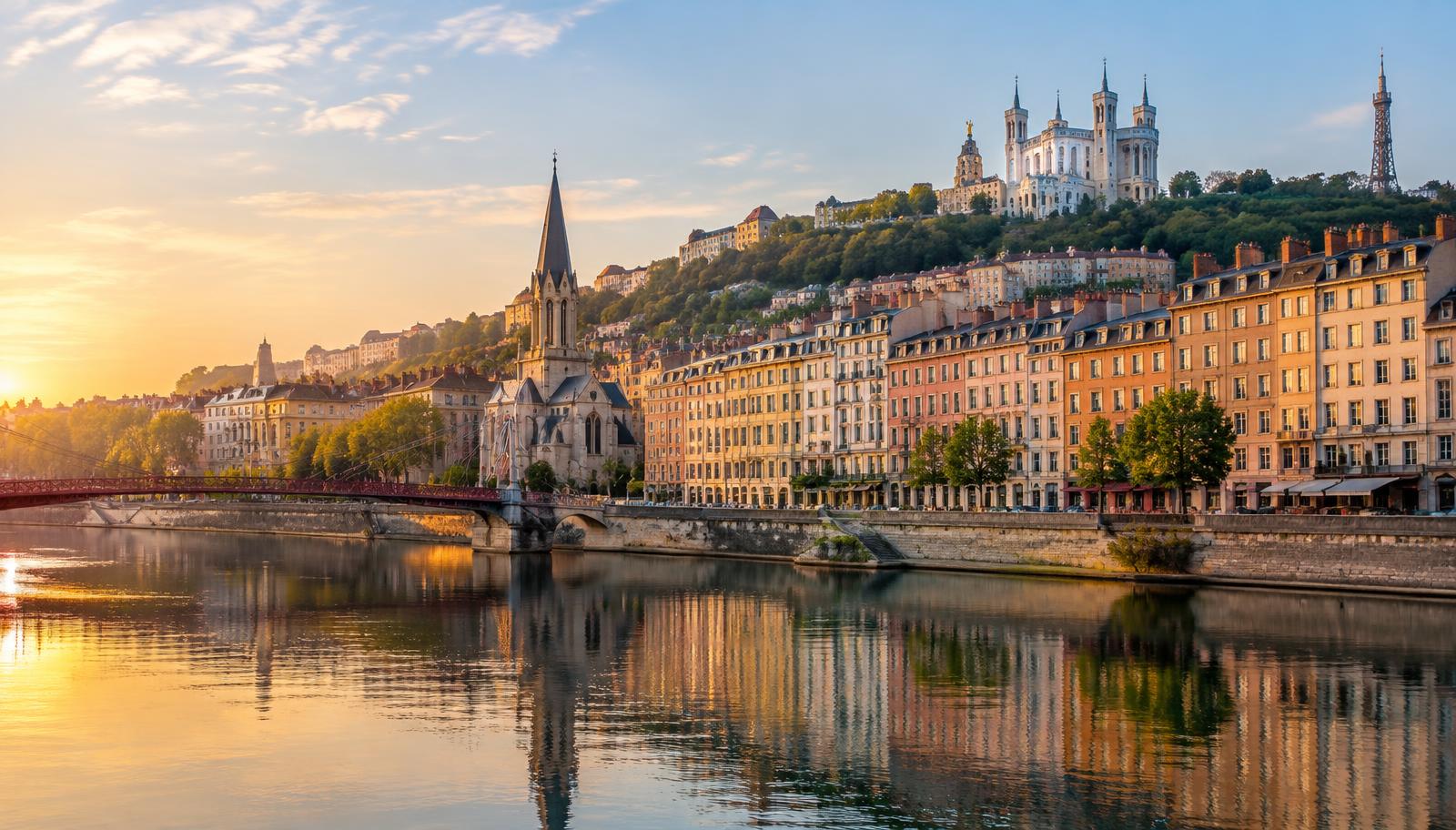
Lyon at a Slower Pace: Rivers, Markets and Long Lunches
A slow guide to Lyon: where to stay, a relaxed three-day rhythm, bouchons, markets, river walks and easy escapes to Beaujolais.
· 8 min read
Travel
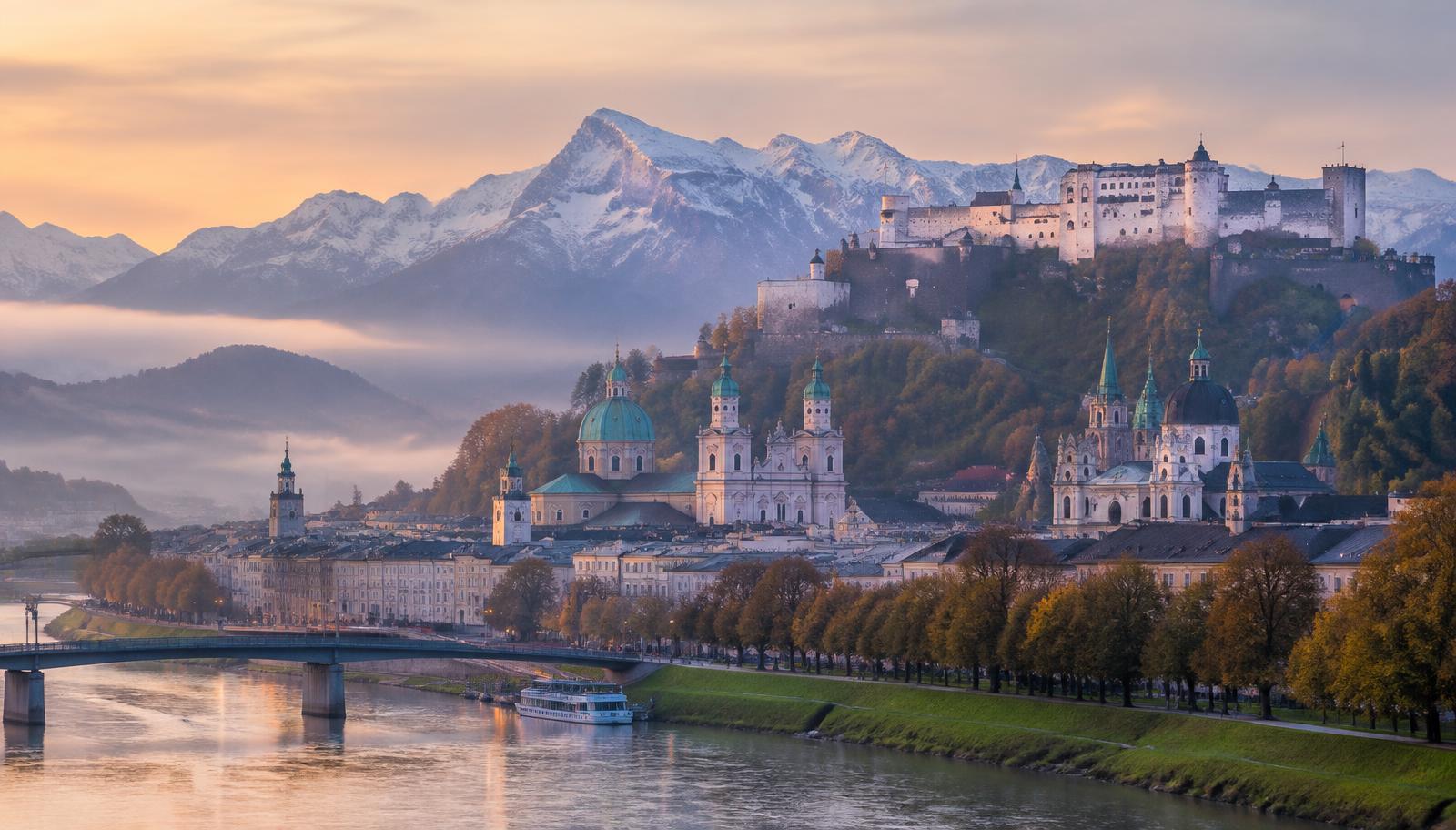
Salzburg at a Slower Pace: Baroque Squares, Hill Walks and Alpine Lakes
A slow guide to Salzburg: where to stay, a calm three-day rhythm, coffee-house culture, hilltop walks and gentle lake-district escapes.
· 7 min read
Travel
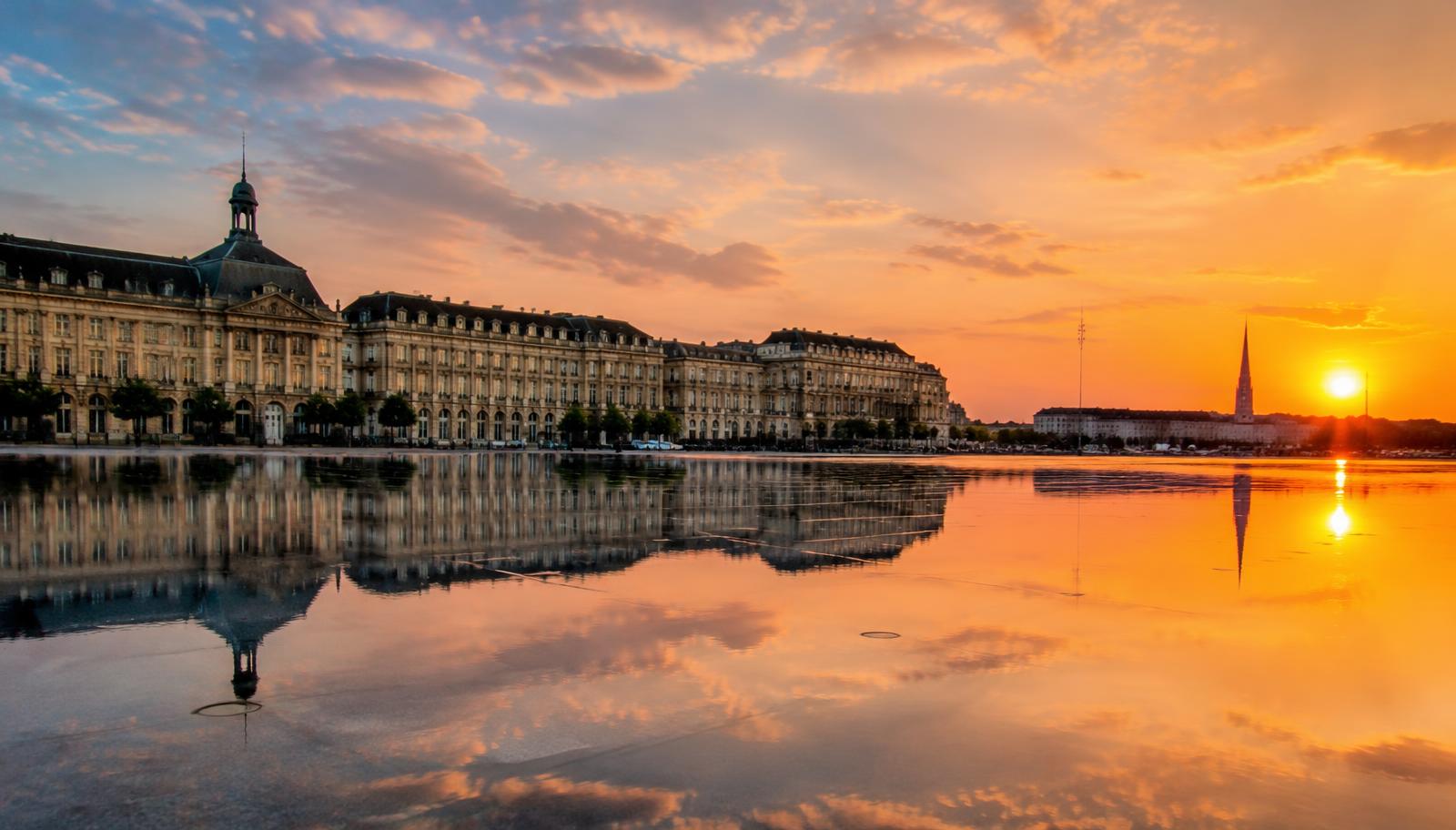
Bordeaux at a Slower Pace: Stone Streets, River Evenings and Wine Country
A slow guide to Bordeaux: where to stay, a relaxed three-day rhythm, markets, wine bars and easy trips to Saint-Émilion and the Atlantic coast.
· 7 min read