Salzburg at a Slower Pace: Baroque Squares, Hill Walks and Alpine Lakes
· 7 min read
Disclosure: Some links are affiliate links; we may earn a commission at no extra cost to you.
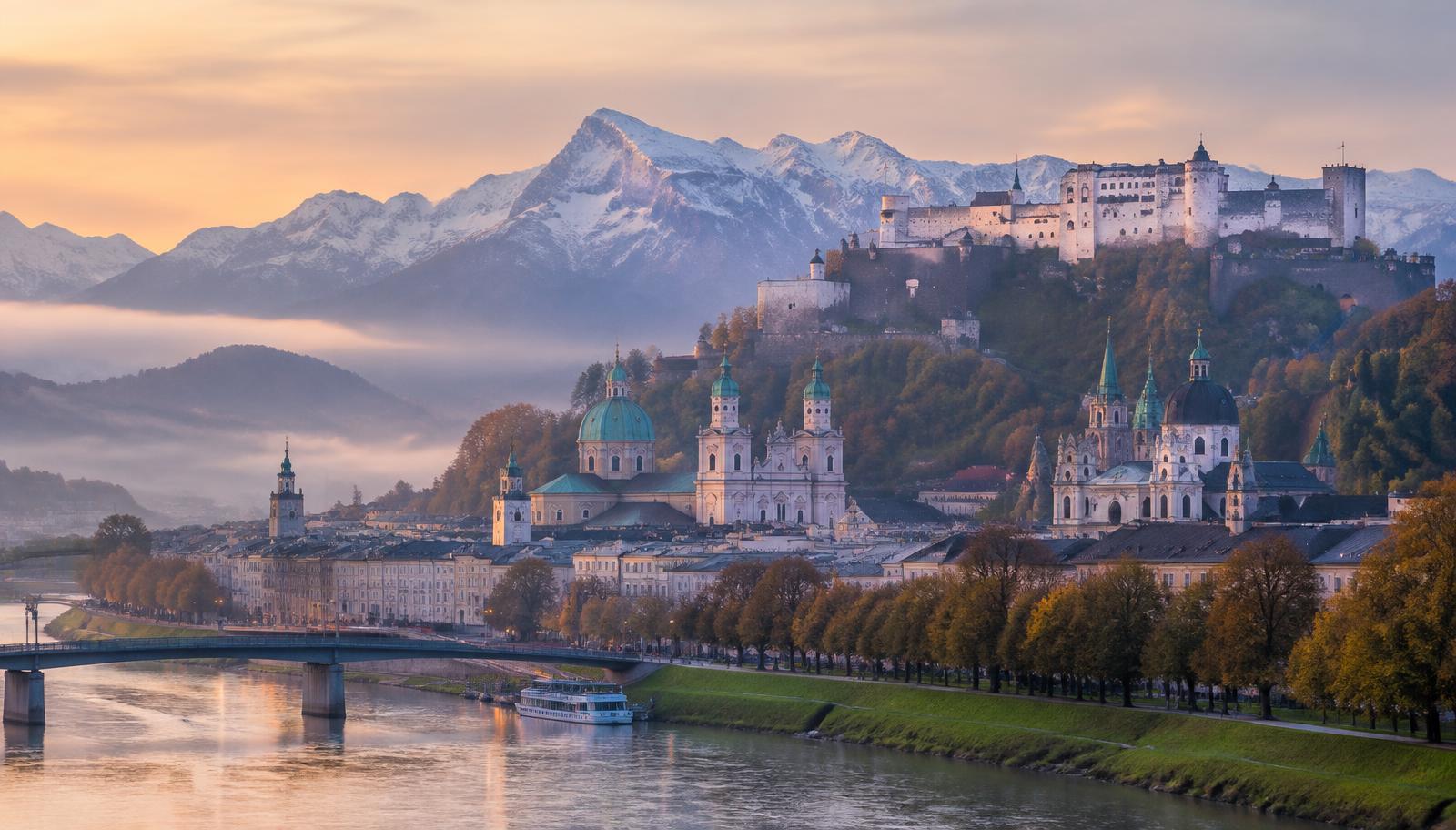
Salzburg is a small city with a big reputation. Many people know it for its music and its film-famous scenery, and many visit for just a few hours on a coach trip from Vienna or Munich. But Salzburg is best experienced slowly. Its baroque old town, green riverbanks, hilltop fortress and surrounding mountains form one of the most harmonious townscapes in Europe, and the rhythm of the place, with church bells, café terraces and evening concerts, is made for lingering. Stay a few nights and you will find a calm, walkable city where nature is never more than a few minutes away.
This guide covers where to stay, how to get there and around, a relaxed three-day rhythm, what to eat and drink, and some gentle trips into the surrounding lakes and mountains. We have left out prices and opening times, which change often, so check them directly when planning, and use the booking options on this page to compare places to stay.
Where to stay in Salzburg
Salzburg is divided by the Salzach river, and both banks make good bases.
The old town on the left bank is the heart of the city. It is a maze of squares, arcades and narrow lanes beneath the fortress hill, filled with churches, courtyards and historic buildings. Staying here puts everything at your doorstep, and the streets are wonderfully quiet early in the morning and late in the evening once the day visitors have gone. The trade-off is that rooms can be compact and the main lanes busy at midday.
The right bank across the river has a more residential, everyday feel while still being central. You are a short walk over a footbridge from the old town, with gardens, palaces and small local cafés closer to hand. It often feels calmer and is a good choice for longer stays.
For something quieter still, consider staying near the edge of the city, close to the hills or meadows. You will need public transport or a bicycle to reach the centre, but you will wake up to green views and birdsong. This works especially well if you plan day trips into the countryside.
Getting there and getting around
Salzburg has a main railway station with good connections to Vienna, Munich and other cities in Austria and Germany, which makes arriving by train easy and relaxed. There is also a small airport close to the city.
Once you arrive, walking is the best way to get around. The old town and the right-bank centre are compact, and the riverbanks have long, flat paths ideal for strolling and cycling. Local buses cover the wider city and connect to the station. Check current routes, fares and ticket options before your first journey, and ask your accommodation whether any city guest card or transport pass is available for your stay.
A funicular climbs to the fortress, though the walk up is also manageable at a gentle pace. Bicycles are popular here, and cycling along the Salzach is one of the simplest pleasures in the city.
A slow three-day rhythm
Salzburg is small enough that you can see its highlights quickly, but the goal of a slow trip is to feel it. Give each day one theme and leave plenty of space around it.
Day one: the old town and its squares
Start early, before the lanes fill. Walk through the old town's connected squares, look up at the baroque domes and step into courtyards and covered passageways whenever you find one open. Sit down for a long coffee at one of the traditional cafés, where marble tables, newspapers and slow service are part of the experience.
In the afternoon, visit the cathedral and the abbey churches nearby, then walk up the lanes towards the cemetery at the foot of the fortress hill, one of the most peaceful corners of the city. In the evening, look for a concert. Salzburg has a strong musical tradition, and small chamber concerts in historic halls and churches are held regularly. Check schedules ahead, as programmes change through the year.
Day two: the fortress and the hilltop walks
Make the fortress the focus of your second day. Go up in the morning when the air is clear, explore at your own pace and spend time on the walls looking out over the rooftops, the river and the mountains beyond.
Instead of heading straight back down, follow the paths along the hilltop. The wooded ridges above the old town are crossed by walking trails with views over the city and countryside, and they feel surprisingly remote given how close they are to the centre. Bring water and comfortable shoes, and stop for lunch at a simple inn or café along the way.
In the late afternoon, come down to the river and walk along the banks as the light softens on the old town.
Day three: gardens, palaces and the right bank
Spend your final day on the right bank. Begin in the formal baroque gardens, with their fountains, statues and neat flowerbeds, which are especially lovely in the morning. From there, wander through the residential streets, browse small shops and find a neighbourhood café for lunch.
In the afternoon, take a bus or cycle out to one of the palaces on the edge of the city, surrounded by parkland and water gardens. These are relaxing places to walk and picnic. Check visiting arrangements and seasonal opening in advance. End the day with a drink in a traditional beer garden, a long-standing Salzburg ritual, especially on warm evenings.
What to eat and drink
Salzburg's food is hearty, comforting and rooted in Austrian and alpine traditions. It suits slow days of walking very well.
Look for classic dishes such as schnitzel, dumplings, roast pork, cheese noodles and seasonal soups. In autumn, game and mushroom dishes appear on many menus. Salzburg is famous for a light, sweet soufflé dessert shaped like the snowy peaks around the city, usually made to share, and it is worth trying at least once.
Coffee-house culture is central here. Take time over a coffee and a slice of cake in the afternoon, a habit locals take seriously. Bakeries offer excellent bread, pretzels and pastries for breakfast.
Beer is an important part of local life, and the city has a long brewing history. Beer gardens with shared tables under chestnut trees are relaxed, friendly places to spend an evening. Austrian wines, especially crisp whites, are also widely available by the glass.
A few tips for eating well:
- Choose inns and family-run restaurants a few streets away from the busiest lanes.
- Book for dinner during festival periods and the busy summer season.
- Embrace the afternoon pause with coffee and cake rather than rushing to the next sight.
Easy escapes into the lakes and mountains
One of Salzburg's great advantages is how quickly you can reach beautiful countryside.
The lake district to the east of the city is a region of clear alpine lakes, pretty villages and mountain views. Spend a day taking a boat across a lake, walking the shoreline and lingering over a long lunch. Regional buses connect several lakes with the city, so you can travel without a car. Check timetables before you go, especially outside summer.
Hallstatt, a lakeside village famous for its postcard views, is a popular day trip. It gets very crowded in high season, so visit early or late if possible, or consider staying nearby overnight to enjoy it in peace.
The mountains just south of the city offer cable cars, walking trails and alpine meadows. On a clear day, the views back towards Salzburg are spectacular. Mountain weather changes quickly, so check conditions and dress in layers.
If you would rather join a guided trip, use the tours and activities button on this page to look for options around Salzburg.
When to go
Salzburg is beautiful in every season, but each has a different character. Spring brings blossom, green hillsides and comfortable walking weather. Summer is lively and full of music, with the city's major festival drawing crowds, so book early if you are visiting then. Autumn is perhaps the best time for slow travellers, with golden trees, crisp air and fewer visitors. In winter, the city becomes cosy and festive, with Christmas markets, snowy mountain views and warm cafés. Check event dates ahead, as accommodation fills quickly around festivals and holidays.
Practical tips for a slow stay
- Stay at least two or three nights. Day visitors see the highlights; overnight guests see the city breathe.
- Walk early and late. The old town is at its most magical before the morning crowds and after dusk.
- Bring layers. Mountain weather can change quickly, even in summer.
- Use the river paths. They link almost everything and are pleasant at any time of day.
- Plan one concert. Even a short chamber recital adds a lot to the experience.
- Allow a lake day. The countryside is part of what makes Salzburg special.
Final thoughts
Salzburg is a place to take your time. Sip coffee in a historic café, listen to bells echo across the squares, follow wooded paths high above the rooftops and spend an evening listening to music in a candlelit hall. It is a small city, but it gives back far more to those who slow down.
If you are continuing your journey, our Vienna guide is an easy train ride away, and our Prague guide makes a natural next stop in Central Europe. And when you are back home, our Slow Living Between Trips article will help you keep the calm rhythm you found here.
Where to stay
Browse places to stay around Salzburg, Austria. Prices change, so compare the live rate with the real price and dates shown above. Bookings made through these links may earn us a commission.
Related posts
Travel
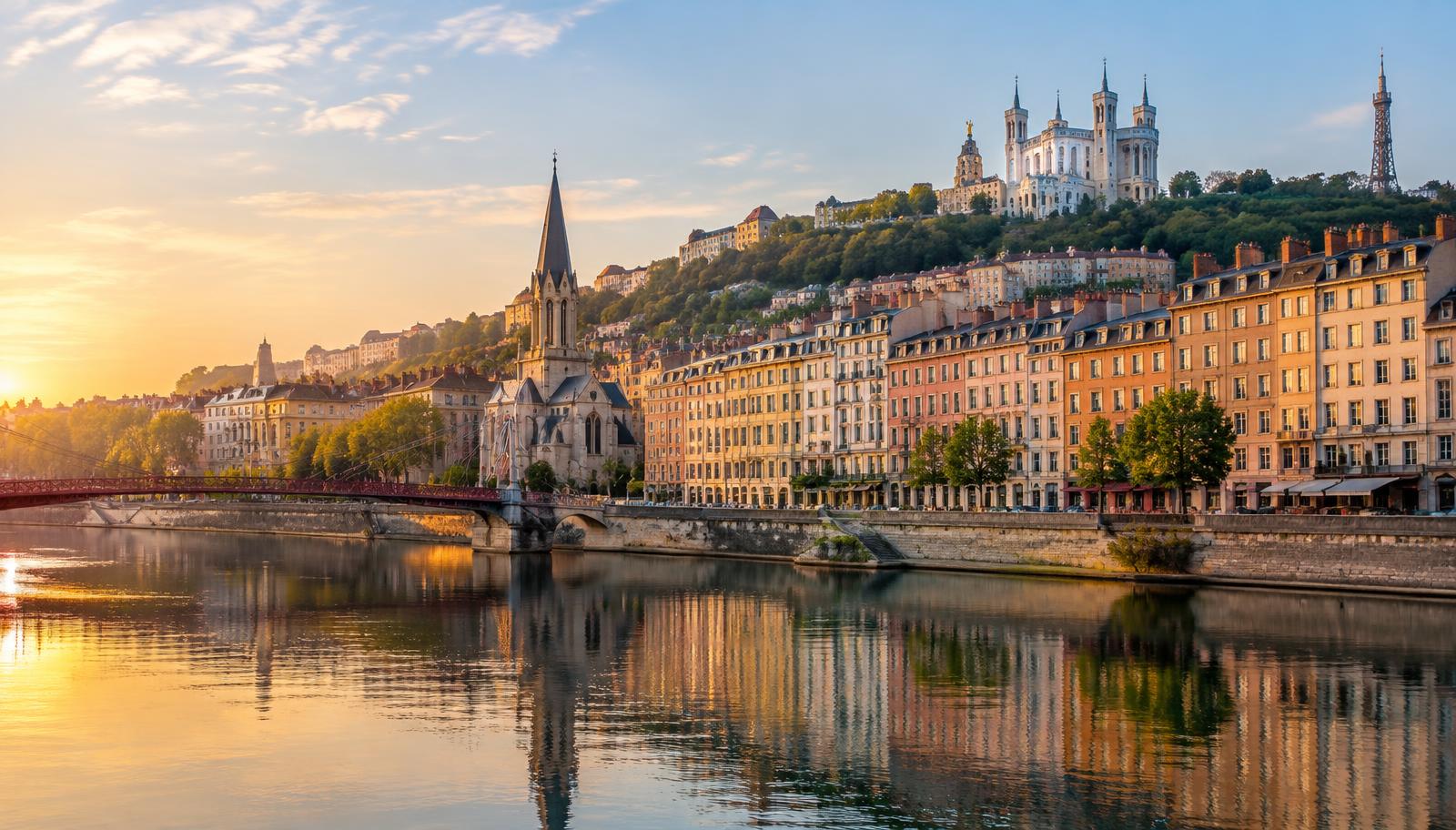
Lyon at a Slower Pace: Rivers, Markets and Long Lunches
A slow guide to Lyon: where to stay, a relaxed three-day rhythm, bouchons, markets, river walks and easy escapes to Beaujolais.
· 8 min read
Travel
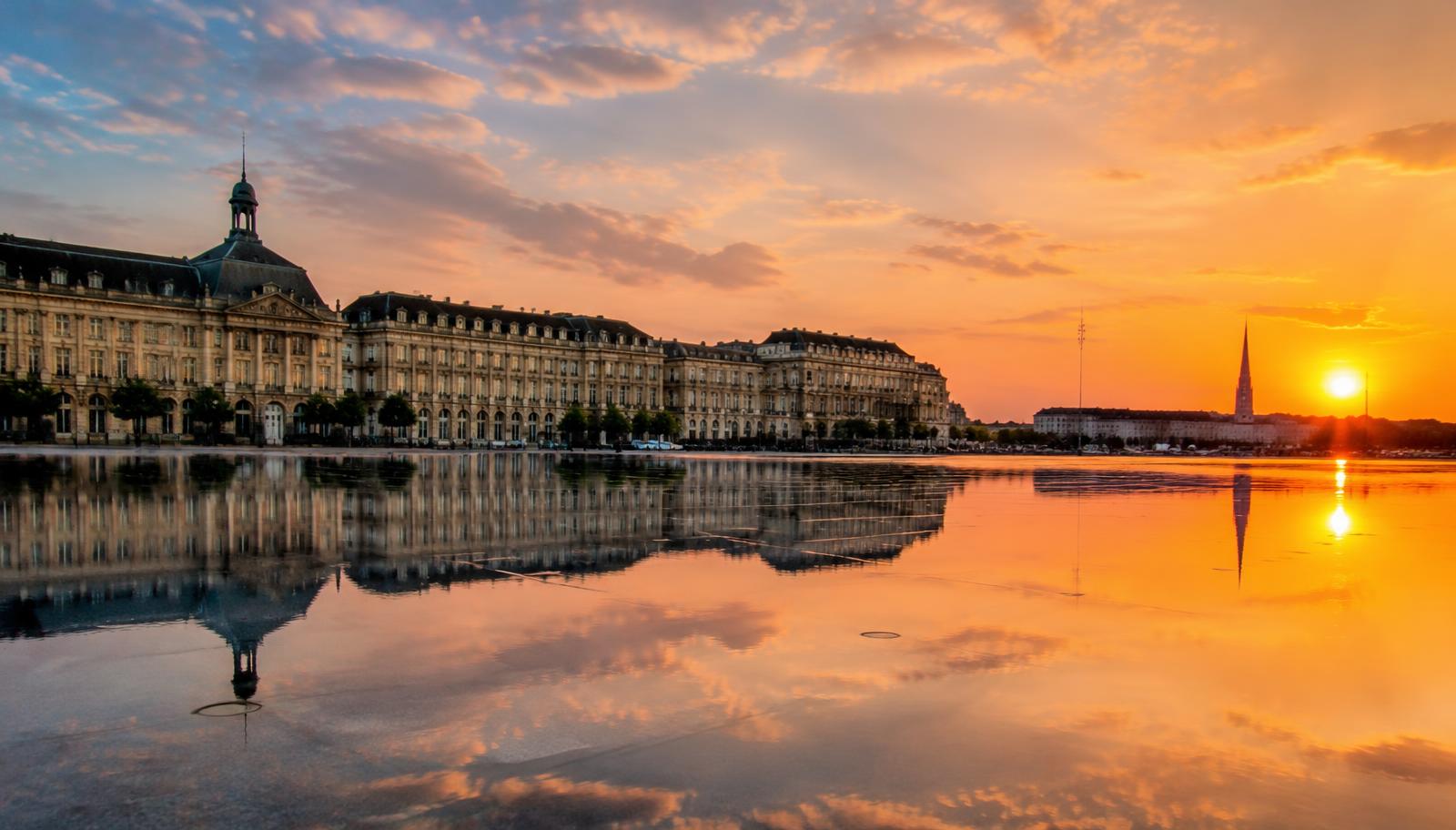
Bordeaux at a Slower Pace: Stone Streets, River Evenings and Wine Country
A slow guide to Bordeaux: where to stay, a relaxed three-day rhythm, markets, wine bars and easy trips to Saint-Émilion and the Atlantic coast.
· 7 min read
Travel
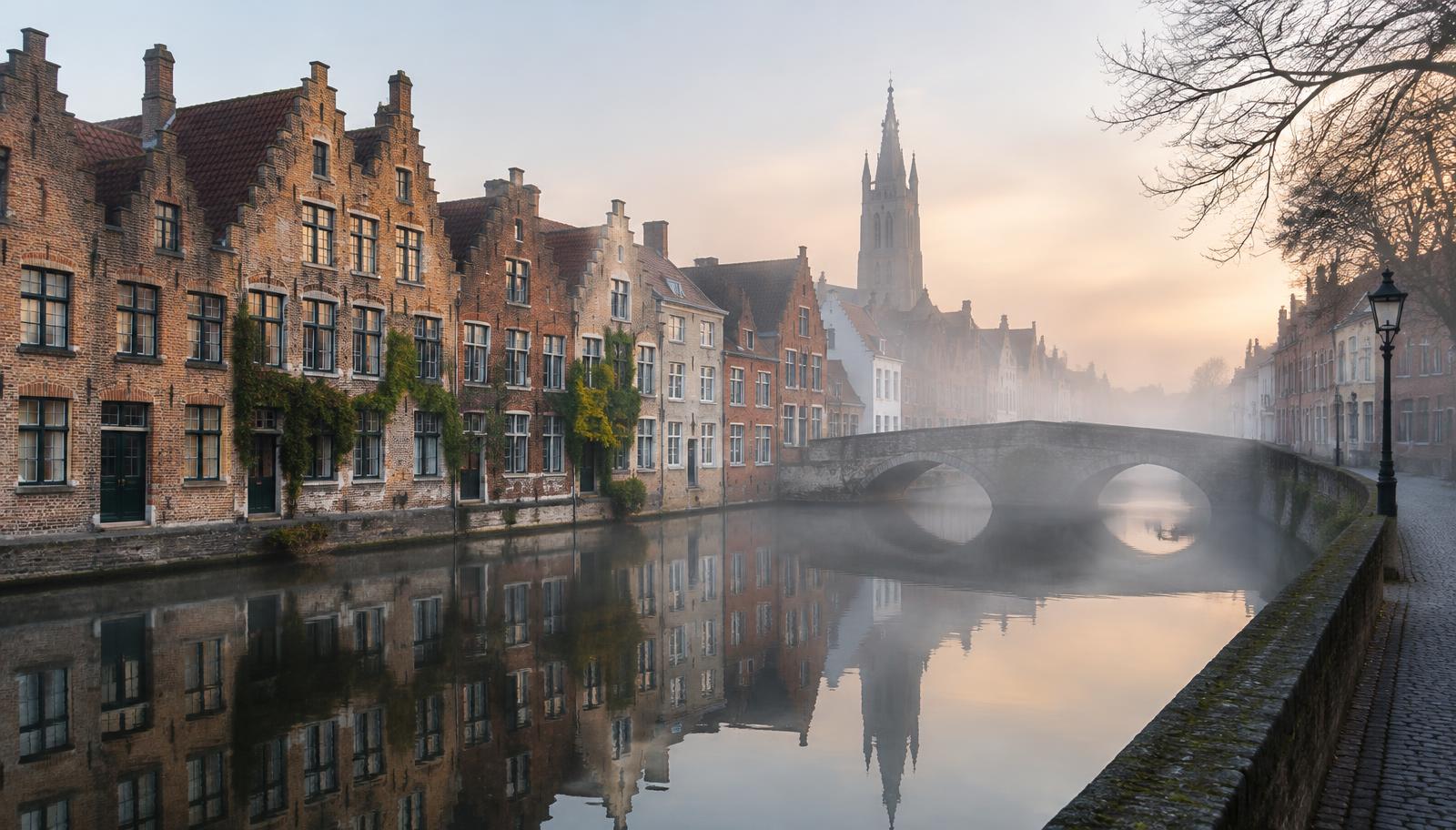
Bruges at a Slower Pace: Quiet Canals and Early Mornings
Stay the night and Bruges becomes yours: where to stay, three slow days of canals, art and windmills, and what to eat.
· 7 min read