Milan at a Slower Pace: Art, Neighbourhoods and Everyday Rituals
· 6 min read
Disclosure: Some links are affiliate links; we may earn a commission at no extra cost to you.
Milan is often introduced through fashion, finance and a cathedral photograph. Those are useful starting points, but they are not the whole city. Stay a little longer and a different rhythm becomes visible: a tram turning into a residential street, an afternoon spent with paintings, a canal-side conversation that outlasts the first drink. A thoughtful visit does not need to compete with Milan's reputation for speed.
This guide suggests three unhurried days, with one main cultural stop each day and room for meals, wandering and rest. It is a researched general guide, not a report of a personal stay. Hotel prices, restaurant menus and admission arrangements change; check the linked official sources before booking. Choose the parts that interest you, and leave the rest for another visit.
Choose a neighbourhood, not just a room
Start with the daily experience you want. Brera places art, compact streets and central sightseeing within reach. It suits visitors who enjoy walking between a museum, a café and their accommodation, though a central address does not automatically mean a quiet bedroom. Read recent reviews about street noise, stairs, lifts and the actual room location.
The Navigli area gives evenings a different shape, with the canals providing a natural place to walk and linger. That lively atmosphere can also mean noise. If sleep matters more than being beside the busiest stretch, look at nearby streets rather than choosing solely from a canal-view photograph. Check the route home as carefully as the view.
Staying a little farther from the historic centre can offer another perspective, bringing everyday local life close to the contemporary buildings around Porta Nuova, and works well when the accommodation has a straightforward public-transport connection. A location near a station is useful only if the line and walking route fit your plans.
Before paying, compare the total for your dates, cancellation conditions, breakfast, taxes and check-in arrangements. The hotel-booking links below are the owner's general affiliate links, not endorsements of individual properties or promises of destination-specific results. Enter Milan and your dates, then compare the same room type across providers.
Day one: give the historic centre your attention
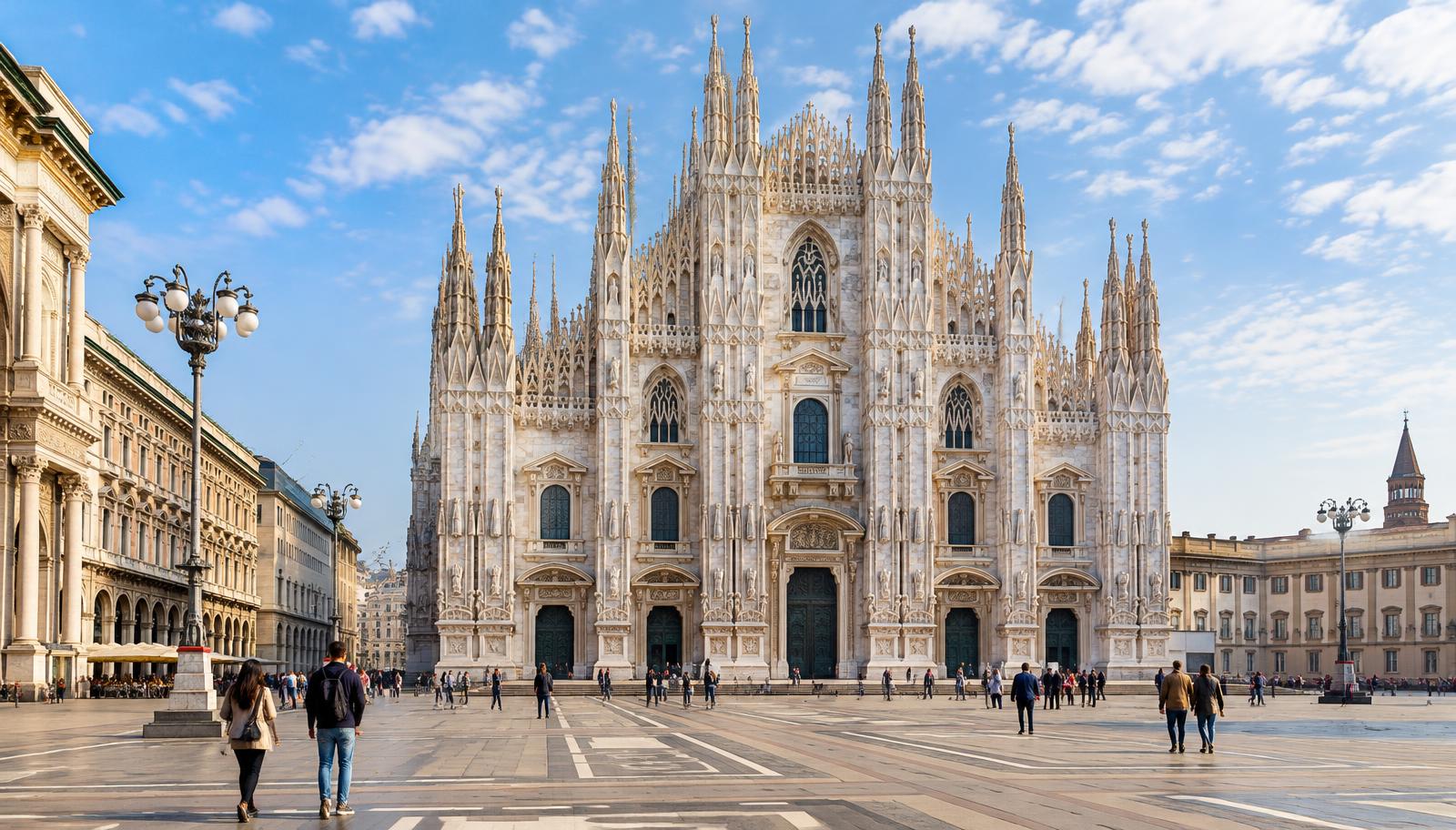
Begin with Piazza del Duomo. Instead of treating the cathedral as a backdrop, spend a few minutes noticing the facade, the changing light on the marble and the way people move across the square. The cathedral's construction began in 1386; its scale makes more sense when considered as a continuing undertaking rather than a single finished object.
If visiting inside or going to the terraces is important to you, confirm the right ticket and current access information on the cathedral's own site before you go. Do not assume every ticket includes every part of the complex. Check accessibility and security requirements before committing, especially if stairs, queues or carrying luggage would complicate the visit.
Afterwards, walk through the Galleria Vittorio Emanuele II without feeling obliged to shop. Its covered space provides a contrast to the square outside. Then choose lunch on the basis of a menu you actually want, rather than the first table with a famous landmark behind it. A short walk can create a more comfortable pause.
Keep the afternoon light. A smaller church, a bookshop or simply a second coffee is enough. There is no requirement to add another major attraction because the clock says you could. Finish by noting one detail you would otherwise forget: a doorway, a sound, or a colour in the cathedral stone.
Day two: Brera, art and an open afternoon
Make Brera the centre of your second day. The district's association with artists and galleries gives it a different character from the monumental square. Walk before your museum visit if that helps you settle into the area, or afterwards if you prefer to carry the paintings back out into the streets.
The Pinacoteca di Brera is a natural cultural anchor. Check entry arrangements and the collection before arriving. Pick a few works or themes that interest you. Looking closely at several paintings often leaves a stronger memory than marching through every room while checking the time.
Give lunch its own space in the day. Put the phone away for part of the meal, and resist using the table as a planning office for tomorrow. When travelling with someone else, exchange one thing you noticed in the museum instead of comparing how much you managed to see.
For the afternoon, choose between more neighbourhood walking and a green pause around Parco Sempione. Neither option needs to become a route with ten compulsory stops. Weather, energy and curiosity can decide. Keep enough flexibility to sit down when you find somewhere pleasant, rather than walking past because it was not saved on your map.
Day three: canals and contemporary Milan
Use the final day to explore a side of Milan that differs from the first. Around Navigli, the canal edges offer an easy focus for a walk. Look beyond the restaurant terraces: building details, courtyards visible from public streets and the relationship between water and neighbourhood life are part of the interest.
Visit at a time that matches your preferences. Someone seeking a calmer walk may enjoy a different hour from someone looking for a sociable evening. Neither is the more authentic experience. Avoid blocking narrow paths for photographs, and remember that doors and residential courtyards are not invitations to enter.
Alternatively, spend part of the day around Porta Nuova. Contemporary architecture changes the city's outline, while nearby streets give the visit a more everyday scale. You do not need to cross the city repeatedly to prove you have understood it. Choose one area, follow your interests, and let the contrasts emerge naturally.
Finish with an aperitivo if it appeals to you. Check what the listed price includes rather than assuming drinks come with a substantial meal. A small plate, a conversation and a deliberate pause before dinner can be the point, not a competition to find the largest buffet.
Eat thoughtfully, without a compulsory checklist
Milanese cooking provides several starting points. Risotto alla milanese is associated with saffron; cotoletta alla milanese is a breaded veal cutlet; panettone belongs to the city's baking tradition. These are possibilities, not obligations. The official YesMilano tourism site provides useful context for neighbourhoods and local food.
Ask about ingredients when dietary requirements matter. Risotto can contain meat stock or other animal ingredients even when no meat is obvious on the plate. Check menus and communicate allergies clearly. Vegetarian, vegan or alcohol-free choices deserve the same planning attention as a famous regional dish.
A practical food rhythm is simple: breakfast near your accommodation, a lunch close to that day's main stop, and one dinner chosen in advance if it matters to you. Leave the remaining meals open. Record actual spending afterwards, including drinks and any listed service charges, instead of relying on somebody else's undated budget.
Getting around and keeping the trip manageable
Walking works well within individual areas; public transport helps join them without turning every day into an endurance test. The metro and surface services cover the city well. Check current payment rules, ticket prices and travel arrangements directly with the operator before your first ride. Airport journeys require their own checks rather than assumptions based on a city ticket.
Group nearby activities together, carry comfortable footwear and leave time for the last stretch to your hotel. Check the forecast before deciding how much outdoor walking to attempt. Keep bags secure in busy stations and crowded sightseeing areas. For accessibility needs, confirm the specific station and attraction rather than relying on a general description of the city.
Book your stay and continue the journey
Compare accommodation through Agoda, Booking.com, Hotels.com or Vrbo. For optional guided experiences, browse GetYourGuide and check the meeting point, cancellation terms and itinerary. These affiliate links may earn SlowCompass a commission; they do not guarantee availability or the lowest price.
For another Italian city with a different rhythm, read our Florence guide or Venice guide. Back home, Slow Living Between Trips offers ways to keep the habit of noticing. Milan's best souvenir may be that habit: fewer hurried stops, more attention, and enough room for an ordinary afternoon to become memorable.
Where to stay
Browse places to stay around Milan, Italy. Prices change, so compare the live rate with the real price and dates shown above. Bookings made through these links may earn us a commission.
Related posts
Travel
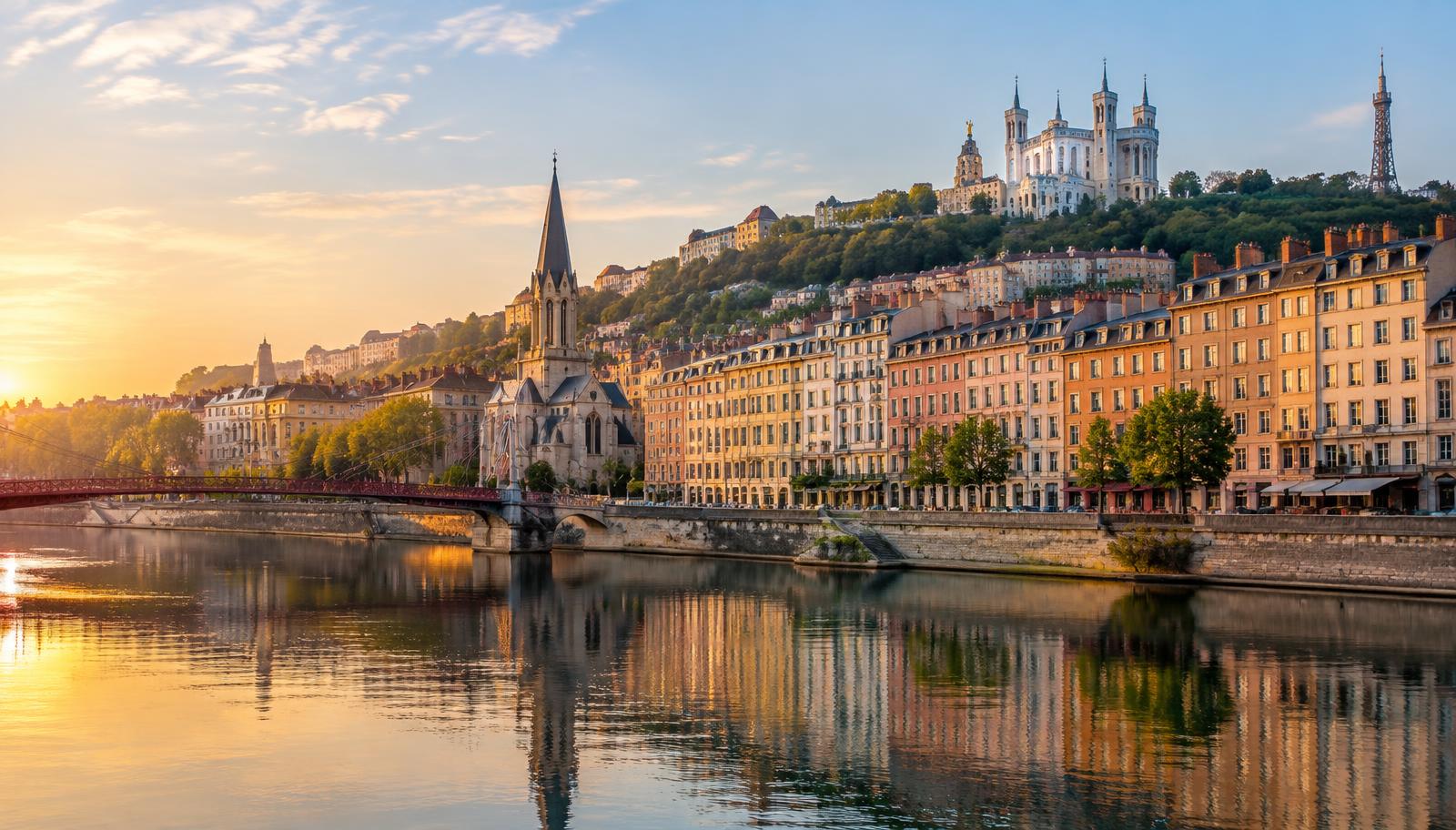
Lyon at a Slower Pace: Rivers, Markets and Long Lunches
A slow guide to Lyon: where to stay, a relaxed three-day rhythm, bouchons, markets, river walks and easy escapes to Beaujolais.
· 8 min read
Travel
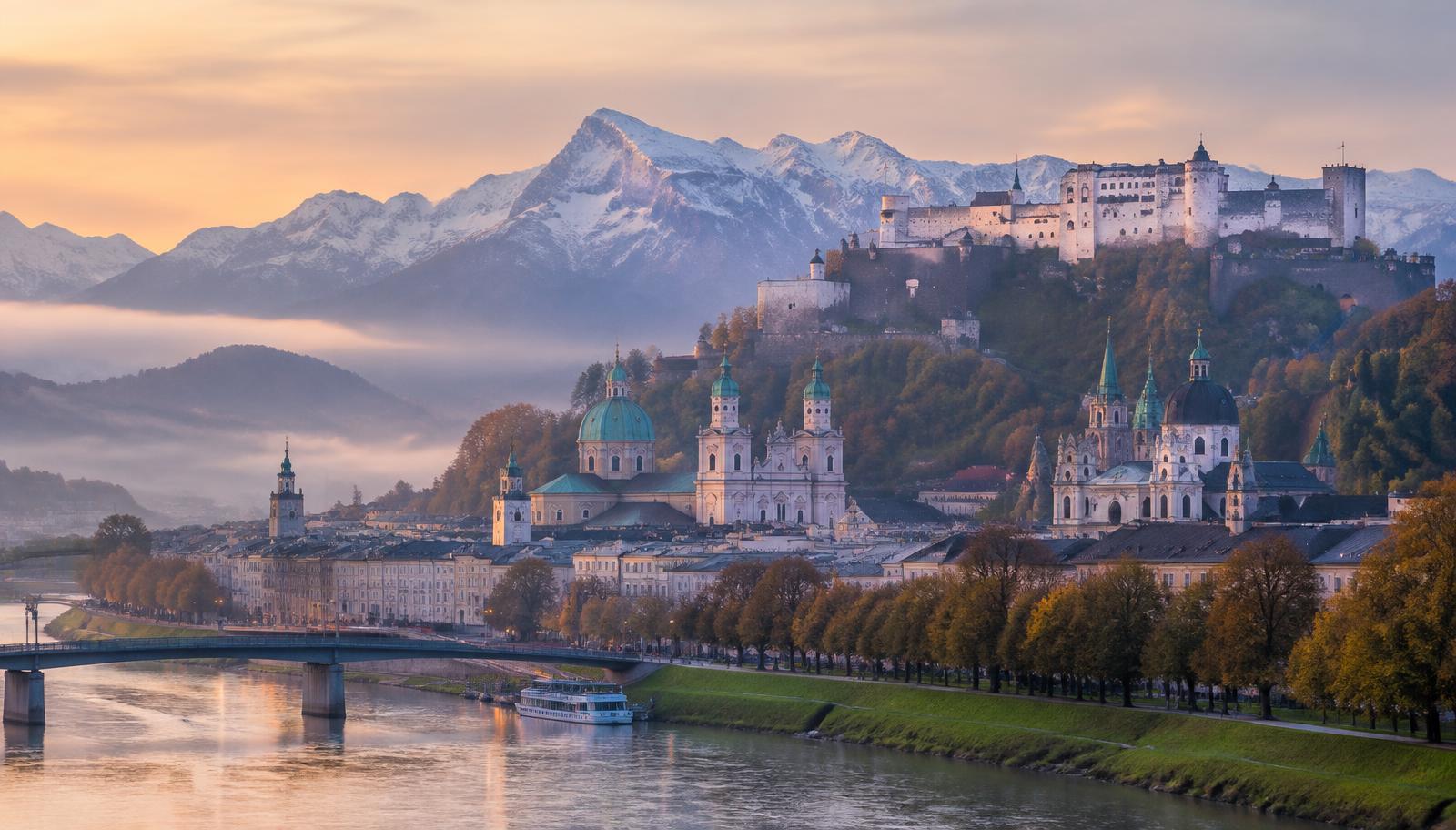
Salzburg at a Slower Pace: Baroque Squares, Hill Walks and Alpine Lakes
A slow guide to Salzburg: where to stay, a calm three-day rhythm, coffee-house culture, hilltop walks and gentle lake-district escapes.
· 7 min read
Travel
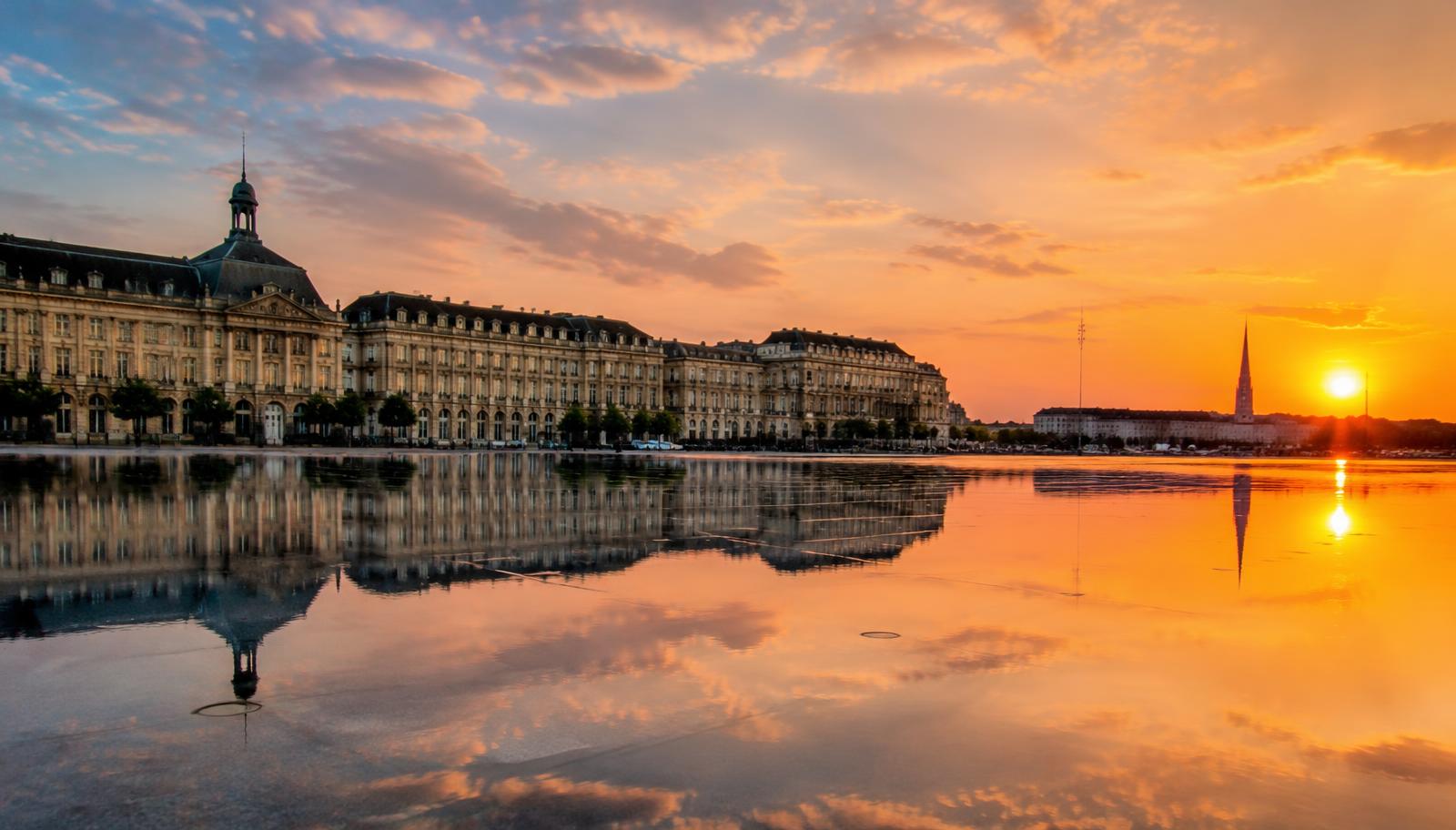
Bordeaux at a Slower Pace: Stone Streets, River Evenings and Wine Country
A slow guide to Bordeaux: where to stay, a relaxed three-day rhythm, markets, wine bars and easy trips to Saint-Émilion and the Atlantic coast.
· 7 min read