Bologna at a Slower Pace: Porticoes, Pasta and the Learned City
· 8 min read
Disclosure: Some links are affiliate links; we may earn a commission at no extra cost to you.
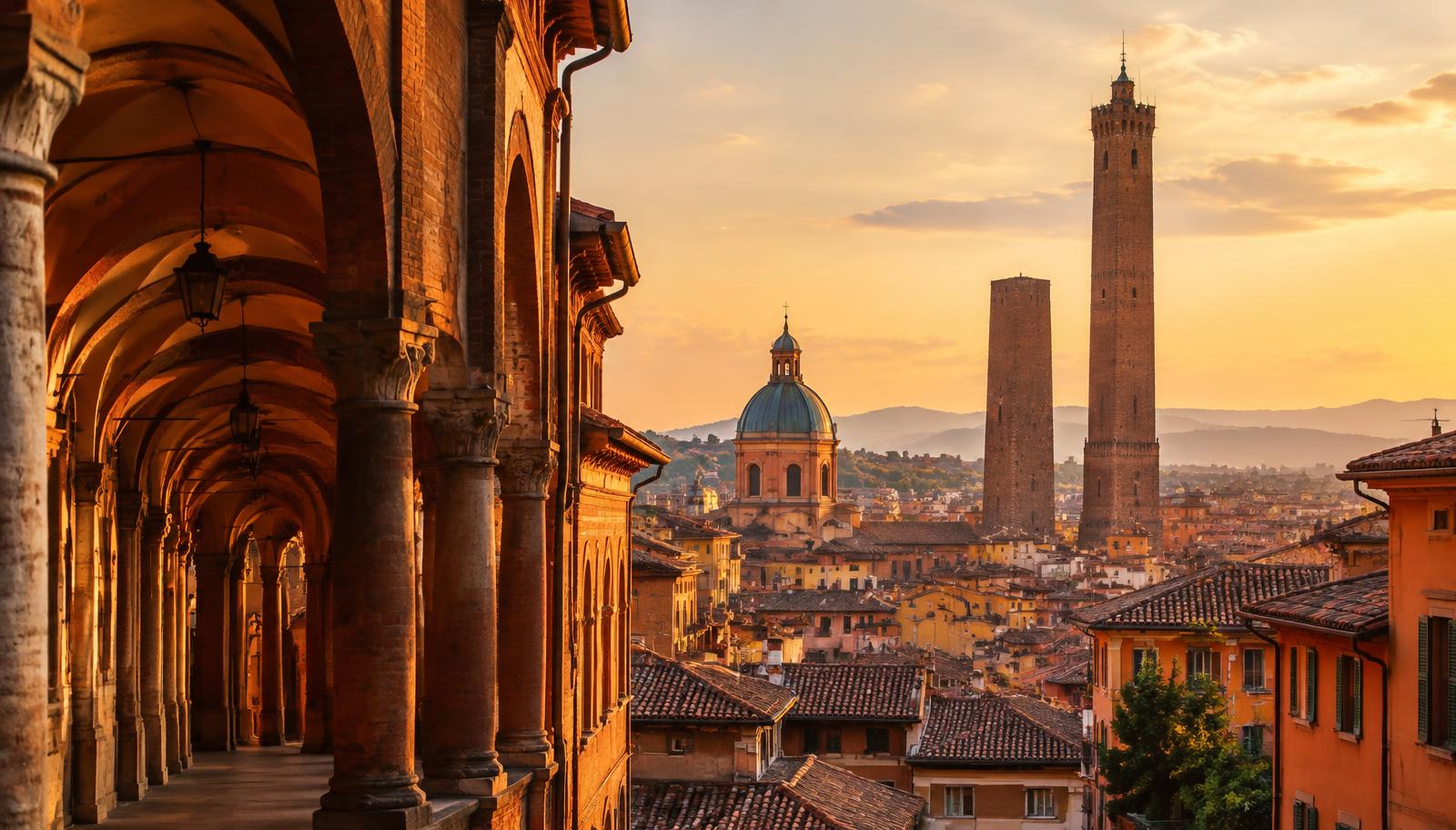
Bologna is the Italian city that rewards people who stop rushing. It has no single headline monument that everyone queues for, no cruise-ship crowds pouring through its gates at nine in the morning, and no pressure to tick anything off. What it has instead is almost forty kilometres of covered porticoes, a university that has been teaching since the eleventh century, a food culture that the rest of Italy quietly envies, and a pace of life that lets you sit at a café table for an hour without anybody wondering why. Locals call it "la dotta, la grassa, la rossa" — the learned, the fat and the red — and after a few slow days you understand all three: the scholarship, the generous cooking and the warm terracotta colour of nearly every wall.
This guide is built for travellers who would rather know one city well than see five of them badly. It covers where to stay, how to get around, a gentle three-day rhythm, what and how to eat, and a few easy trips beyond the walls. It deliberately avoids prices and opening hours that change from season to season, so check those directly when you plan.
Where to stay in Bologna
The best base for a slow stay is inside the ring of avenues that follows the line of the old city walls. Almost everything you will want to see is within a twenty-minute walk of the main square, and the porticoes mean you can walk in rain or summer sun without much discomfort. Staying in the centre also means you can come back for a rest in the middle of the day, which is exactly how Bolognese life is arranged.
If you prefer quieter evenings, look at the streets a little south of the centre, towards the hills, where the lanes are residential and the restaurants serve mostly locals. Travellers staying a week or more often do best in an apartment with a small kitchen, because the markets make cooking part of the pleasure.
Compare places to stay with our booking partners:
- Agoda
- Booking.com
- Hotels.com
- Vrbo — apartments for longer stays
Getting there and getting around
Bologna is one of the great rail hubs of Italy. High-speed trains link it to Florence in well under an hour and to Milan in about an hour, which makes it an easy and calm part of a longer northern Italy route. If you are travelling that way, our Florence guide and Milan guide cover the neighbouring stops, and our Turin guide is a rewarding detour further west.
Once you arrive, you will barely need transport at all. The centre is compact, flat and best explored on foot. City buses cover the outer districts and the hills, and bicycles are common among students, but most visitors find that walking under the porticoes is the transport. Check current ticket and payment rules before your first bus ride.
Day one: the squares and the porticoes
Start where the city starts: the main square, with its great unfinished basilica, its palaces and the bronze Neptune fountain. Do not rush through it. Find a seat, watch the students cross on bicycles, the older residents stop to talk, and the light move across the brick. This square has been the city's living room for centuries, and it works best when you treat it as one.
From there, wander into the narrow market streets just to the east, where food shops have traded for generations. Delicatessen counters stacked with cured meats and wheels of cheese sit beside fishmongers, greengrocers and tiny bars where people stand for a quick coffee. Mid-morning is the ideal time: the shops are lively, and you can assemble a simple lunch as you go.
In the afternoon, do something deliberately slow: choose one long portico and follow it. Some stretches are elegant and formal, others plain and worn, and each tells you something about the neighbourhood around it. Look up at the painted ceilings, notice the different columns, and let the walk decide where you end up. The porticoes of Bologna are recognised by UNESCO, but they are not a museum — they are where daily life happens.
Finish with an evening aperitivo. Order a glass of local sparkling wine and you will usually receive small plates of something to nibble with it. It is a gentle, sociable way to end the first day.
Day two: towers, learning and a quiet climb
The two leaning medieval towers are the symbol of Bologna, once among dozens that rose above the medieval skyline. Look at them from the street, then wander the lanes beneath and imagine the city when wealthy families competed to build higher than their rivals. Access to climb can change because of conservation work, so check the current situation before planning around it.
Spend the late morning around the old university buildings. The historic anatomical theatre, carved entirely in wood, is one of the most atmospheric rooms in the city, and the surrounding library and courtyards give a sense of how long Bologna has been a place of study. The student life still shapes the city: cheap lunches, bookshops, late-night conversations in the squares.
After lunch and a proper rest, make the slow walk that many locals do on weekends: the long arcaded path that climbs from the edge of the city up to the hilltop sanctuary overlooking Bologna. The covered walkway runs for several kilometres, with hundreds of arches, and the climb is steady rather than steep. Take water, go at your own pace, and stop often. At the top, the view stretches over the rooftops one way and the green Apennine foothills the other. It is the best possible reminder of why you chose not to rush.
Day three: markets, kitchens and an unplanned afternoon
Give your last full day to food in a hands-on way. Visit a covered market early, when stallholders are setting out produce, and buy for a picnic or for the kitchen in your apartment. If you have always wanted to learn to make fresh pasta, Bologna is the place: a cooking class shows you how tagliatelle and tortellini are rolled and folded by hand, and you leave with a skill rather than a souvenir. Browse classes, food tours and tastings on GetYourGuide.
Leave the afternoon open. Sit in a small church you happened to pass, read in a park, revisit the square that you liked best, or simply walk without a plan. The point of slow travel is that you stop treating unplanned time as wasted time.
What and how to eat
Bologna's cooking is rich, seasonal and taken seriously. Tagliatelle with a slow-cooked meat ragù — never spaghetti — is the dish the city is known for. Tortellini served in a clear broth is a winter favourite, and lasagne here is made with green spinach pasta. Mortadella, the city's famous cured sausage, appears on almost every board of cured meats, often with local cheese and soft flatbread.
A few habits make meals more relaxed:
- Eat lunch as the main meal when you can. Many kitchens are at their best at midday, and it leaves the evening lighter.
- Ask what is in season. Menus change with the market, and staff are usually proud to explain.
- Order fewer courses, slowly. A pasta dish and a vegetable side, followed by coffee, is a complete and satisfying meal.
- Book ahead for popular trattorias on weekend evenings, when locals eat out too.
Because prices vary by season and neighbourhood, we do not quote them here. A simple rule works well: the further you walk from the main square, the more local and better value the trattorias tend to become.
Slow day trips from Bologna
The region around Bologna is full of towns that reward a single unhurried day. Modena, known for its balsamic vinegar and its cathedral, is a short train ride away. Parma, home of the famous ham and cheese, makes another gentle trip. Ravenna, a little further east, holds remarkable early Christian mosaics that glow in the dim light of its churches. Each can be reached by regional train, so you can come and go at your own pace and be back in Bologna for dinner.
If you prefer the countryside, the green hills south of the city offer quiet walks, small villages and farm restaurants. A guided day trip removes the logistics if you do not want to drive.
When to go
Spring and autumn are the most comfortable seasons for walking, with mild temperatures and lively streets. Summer can be very hot, though the porticoes help, and some family-run restaurants close for a holiday in August. Winter is quiet, foggy and atmospheric, and it is the best time for broth, ragù and long lunches indoors. Whatever the season, try to include a weekend, when the central streets are partly closed to traffic and the whole city comes out to stroll.
A few slow-travel habits for Bologna
- Walk under the porticoes, not beside them. They are designed for strolling, and you will notice far more.
- Rest in the early afternoon. Many shops close for a few hours, and following the local rhythm makes the evenings more enjoyable.
- Learn a few words of Italian. A simple greeting changes the tone of every interaction.
- Choose one museum, not five. An hour with real attention beats a whole day of tired glancing.
- Carry a small notebook. Bologna is a city of small details that are easy to forget.
Final thoughts
Bologna does not try to impress you on the first morning. It wins you over slowly, with the sound of footsteps under the arches, a perfect plate of tagliatelle, and the warm colour of the walls at sunset. Give it three or four days, eat at least one long lunch, climb the arcaded path to the hilltop sanctuary, and you will leave understanding why so many Italians consider it their favourite city to live in.
If you are building a northern Italy journey, continue with our Florence guide, Milan guide or Turin guide. And when you are home again, our Slow Living Between Trips article helps you keep the same unhurried pace in everyday life.
Where to stay
Browse places to stay around Bologna, Italy. Prices change, so compare the live rate with the real price and dates shown above. Bookings made through these links may earn us a commission.
Related posts
Travel
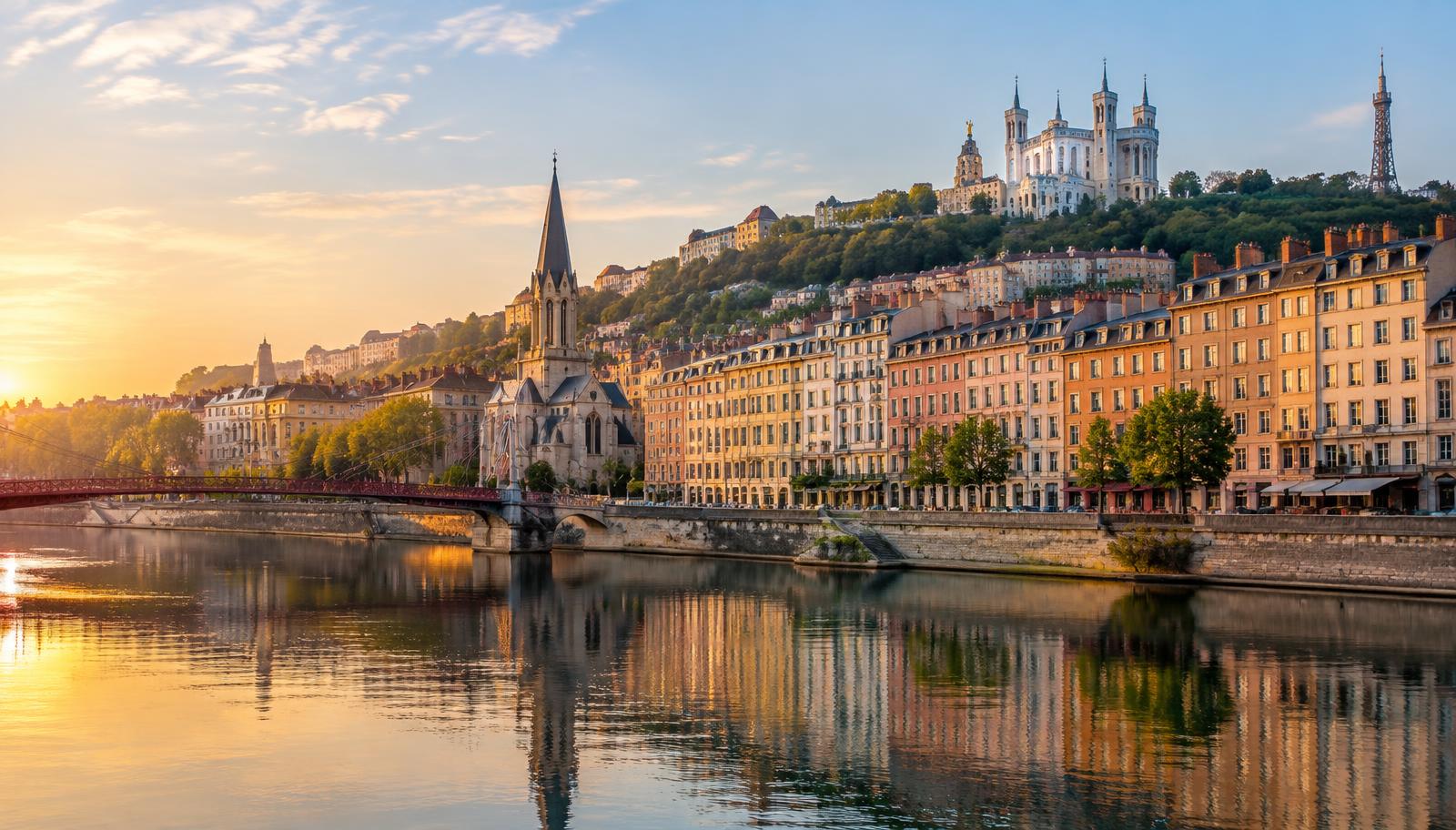
Lyon at a Slower Pace: Rivers, Markets and Long Lunches
A slow guide to Lyon: where to stay, a relaxed three-day rhythm, bouchons, markets, river walks and easy escapes to Beaujolais.
· 8 min read
Travel
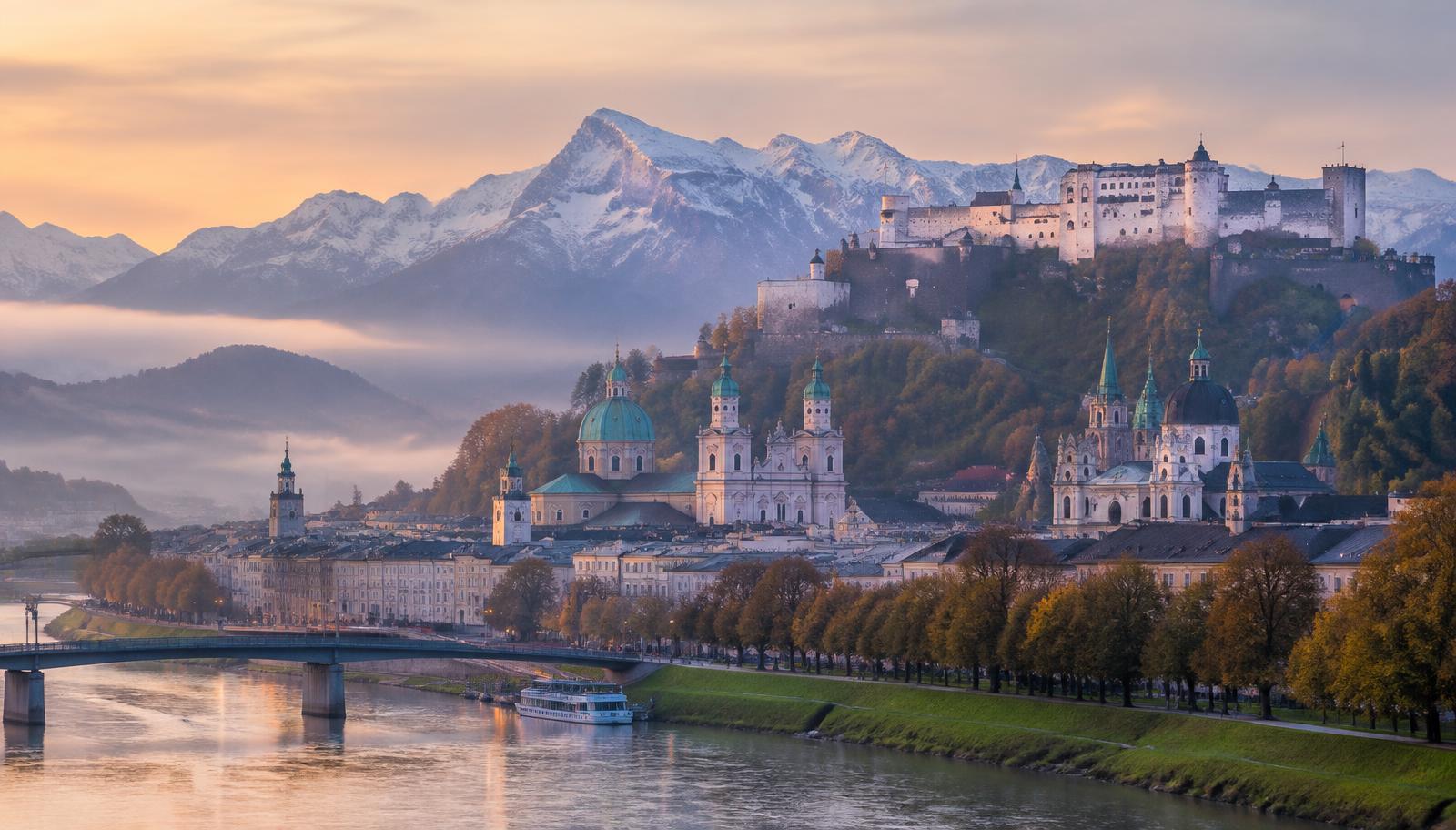
Salzburg at a Slower Pace: Baroque Squares, Hill Walks and Alpine Lakes
A slow guide to Salzburg: where to stay, a calm three-day rhythm, coffee-house culture, hilltop walks and gentle lake-district escapes.
· 7 min read
Travel
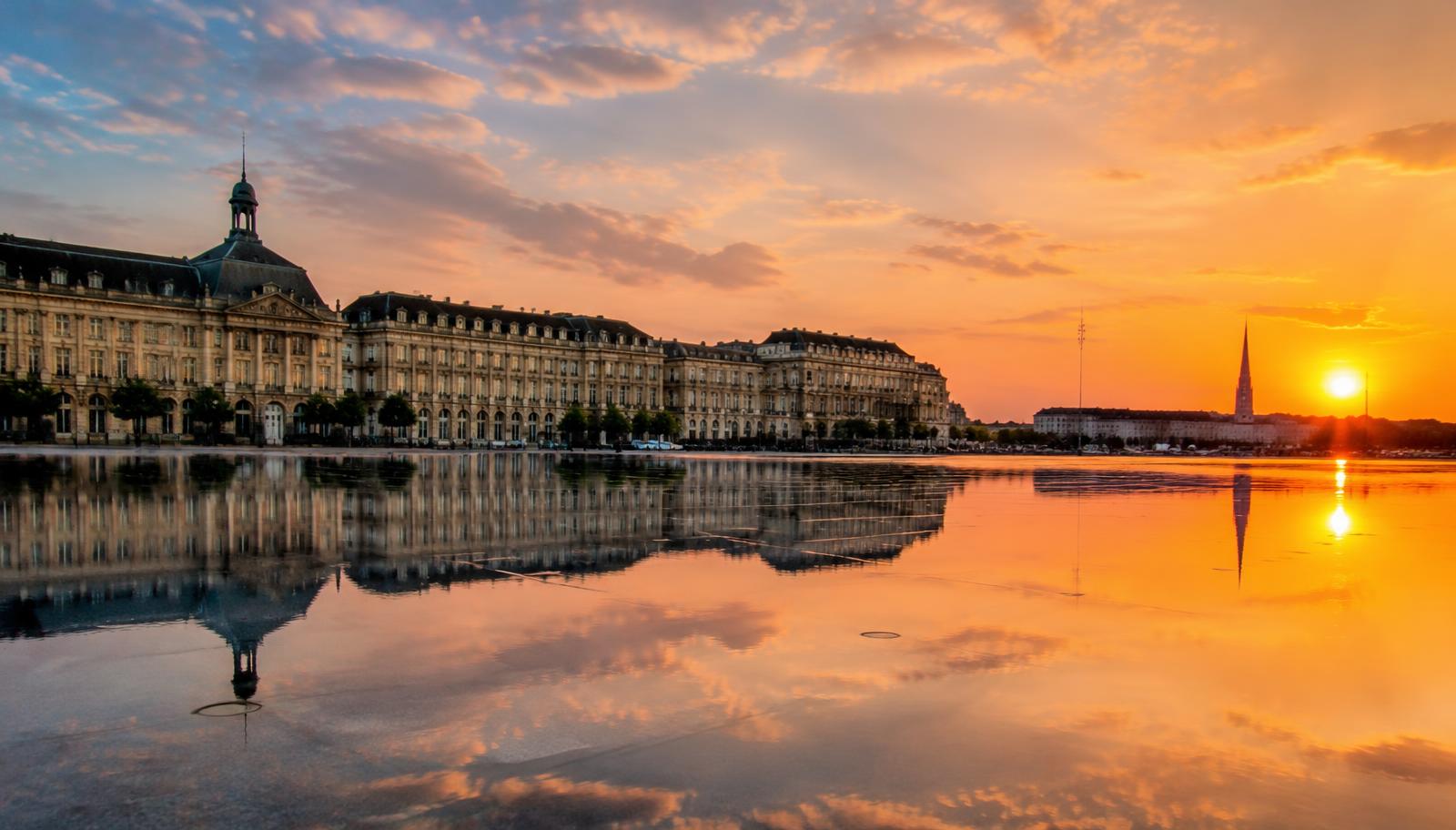
Bordeaux at a Slower Pace: Stone Streets, River Evenings and Wine Country
A slow guide to Bordeaux: where to stay, a relaxed three-day rhythm, markets, wine bars and easy trips to Saint-Émilion and the Atlantic coast.
· 7 min read