Turin at a Slower Pace: Grand Cafés, Baroque Arcades and the Alps on the Horizon
· 6 min read
Disclosure: Some links are affiliate links; we may earn a commission at no extra cost to you.
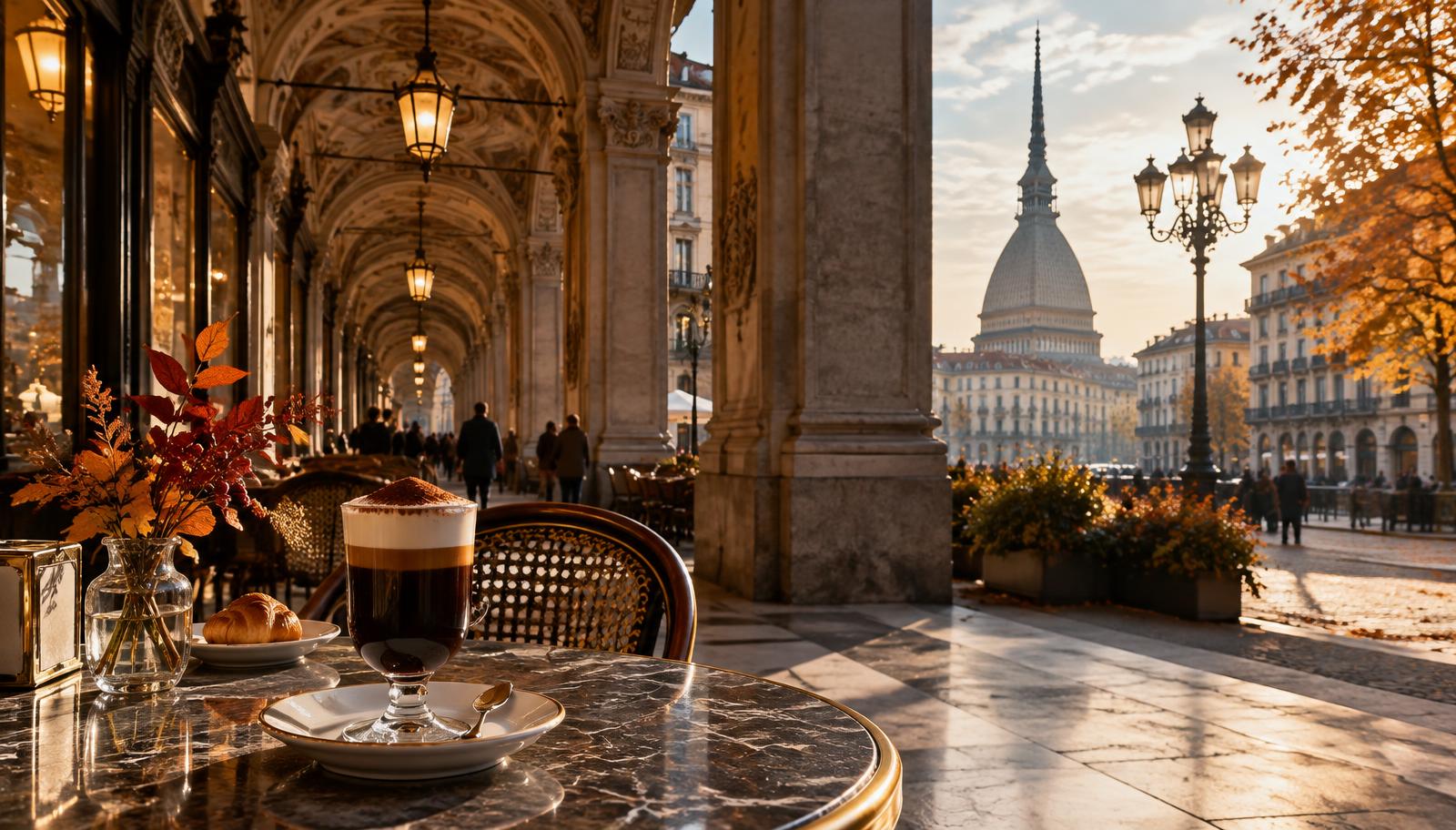
Turin is the Italian city that slow travellers whisper about. The first capital of unified Italy wears its history lightly: eighteen kilometres of baroque arcades, cafés that have served the same chocolate drinks for two centuries, the Po river curving past grand boulevards, and the Alps standing white on the horizon at the end of almost every street. It has none of the crush of Rome or Florence, yet it holds one of the world's great Egyptian collections, a cinema museum inside a soaring spire, and a food culture — gianduja chocolate, agnolotti pasta, the aperitivo hour — that rewards anyone who lingers.
This guide is built for three unhurried days in Turin — where to stay, how to get around, a day-by-day rhythm, what to eat and drink, and the practical details that make the trip smooth.
Where to stay in Turin
The historic centre, inside the grid of Roman streets between Piazza Castello and Piazza Carlo Felice, puts you within walking distance of everything: the museums, the grand cafés, the arcaded shopping streets. Hotels here range from old-school grandeur to small design addresses tucked into noble palazzi.
San Salvario, just south of the centre near Porta Nuova station, is the lively, younger quarter — good value, full of bars and restaurants, and still an easy walk or one metro stop from the sights. Across the river, the streets below the Gran Madre church offer a quieter, village-like feel with lovely evening views back over the city.
Compare a few options before you book — Turin is still good value by Italian standards, but the best small hotels fill up on autumn weekends:
- Agoda
- Booking.com
- Hotels.com
- Vrbo — apartments for longer stays
Getting there and getting around
Turin's airport has connections across Europe, and the city sits on the high-speed rail line: Milan is about an hour away, which makes Turin an easy add-on to a northern Italy trip. Our Milan guide covers that pairing, and our Florence guide is the natural next stop south.
In the city, you will mostly walk. The centre is compact and flat, and the arcades mean you can cross it in the rain without an umbrella — a very Turinese luxury. The metro has a single line that covers the main axis, and trams and buses fill the gaps; validate your ticket when you board. For a slow afternoon, the walk along the Po from the centre to the Valentino park is the city's best stroll, with rowers on the water and the hills rising beyond.
Day one: arcades, grand cafés and the Mole
Begin under the arcades. Walk from Piazza Castello down Via Roma and into Piazza San Carlo, the city's drawing room, and take your morning coffee standing at the bar of one of the historic cafés — marble counters, gilded mirrors, waiters in jackets. Order a bicerin, Turin's layered drink of espresso, chocolate and cream, and drink it the local way: without stirring.
The afternoon belongs to the Mole Antonelliana, the soaring spire that is Turin's symbol. Inside, the National Cinema Museum spirals up through the vast dome — part museum, part temple to film, with a glass lift that rises through the centre to a panoramic terrace. Book the lift ahead in high season; the view over the city's rooftops to the Alps is the best orientation Turin offers.
As evening comes, join the aperitivo hour. Turin invented vermouth, and the ritual of a pre-dinner drink with a spread of small plates is taken seriously here. The bars around Piazza Vittorio Veneto and the Quadrilatero Romano fill from six onwards; order a vermouth or a spritz, take what the kitchen sends out, and let dinner come late.
Day two: the Egyptian Museum and the royal city
Give the morning to the Egyptian Museum — the oldest Egyptian museum in the world and, outside Cairo, one of the richest. The collection of statues, papyri and intact tomb furnishings is extraordinary, and it deserves three unhurried hours rather than a rushed one. Book a timed entry in advance and go at opening.
After lunch, walk the royal axis: Piazza Castello with the Royal Palace and its armoury, the Palazzo Madama rising in the middle of the square, and the Chapel of the Holy Shroud. The palace interiors are Savoy grandeur at full volume — throne rooms, galleries, chandeliers — and the royal gardens behind offer a quiet green pause.
Dinner tonight is Piedmontese: agnolotti del plin (small pinched pasta with roast meat filling), vitello tonnato, tajarin with butter and sage, and in autumn anything with white truffle from nearby Alba. The region's wines — Barolo, Barbaresco, Barbera — are among Italy's greatest, and a carafe of the house Barbera in a neighbourhood trattoria is one of the trip's quiet pleasures.
Day three: the river, the market and the hills
Start at Porta Palazzo, home to Europe's largest open-air market. The Saturday edition spills across the whole square — produce, cheese, salumi, clothes, antiques in the Balôn flea section — but any morning is good. Buy fruit, watch the vendors, and take a coffee at the edge of the action.
Then walk the Po. The Valentino park stretches south along the river with its medieval-style borgo, its castle and its tree-lined paths; hire a bike or simply stroll. Rowing clubs have worked this stretch of river for over a century, and on a calm morning the water doubles the city.
In the afternoon, cross the river and climb — on foot or by the historic rack tram from Sassi — to Superga, the baroque basilica on the hill east of the city. The view from the portico takes in the whole of Turin with the Alps behind it, and at sunset the city below turns the colour of the bicerin you drank on day one. It is the right place to end.
Eating and drinking in Turin
Turin eats like a city that invented the aperitivo and never looked back. Beyond the trattoria classics, look for the merenda sinoira, the old Piedmontese early-evening spread of cured meats, cheeses and wine that can happily replace dinner. Chocolate is a birthright: gianduja — hazelnut chocolate — was born here, and the historic chocolatiers sell gianduiotti by the bag. In winter, the bicerin reappears at every hour; in summer, the gelaterie around Piazza Vittorio hold their own against anywhere in Italy.
Practical notes
Turin is a year-round city, but autumn is its season: truffle fairs, chocolate festivals and the Alps going white above the rooftops. Book the Egyptian Museum and the Mole's panoramic lift ahead on weekends. The city is flat and the arcades make weather almost irrelevant, but bring a layer — the Alpine air keeps evenings cool even in summer.
Turin also works as a base for slow day trips: the wine hills of Langhe and Roero, the Sacra di San Michele abbey on its dramatic rock, or the royal palaces strung along the city's edge. For guided tastings, museum tours and day trips, browse GetYourGuide.
The SlowCompass take
Turin is the antidote to checklist Italy. Nobody here is queueing for a selfie spot; the pleasures are a perfect bicerin, an unhurried hour among Egyptian statues, and an aperitivo that stretches into dinner. If you're building a northern Italy route, pair it with our Milan guide and Florence guide, and for life between trips, our Slow Living Between Trips article keeps the pace going at home.
Go somewhere. Live well when you get back.
Where to stay
Browse places to stay around Turin, Italy. Prices change, so compare the live rate with the real price and dates shown above. Bookings made through these links may earn us a commission.
Related posts
Travel
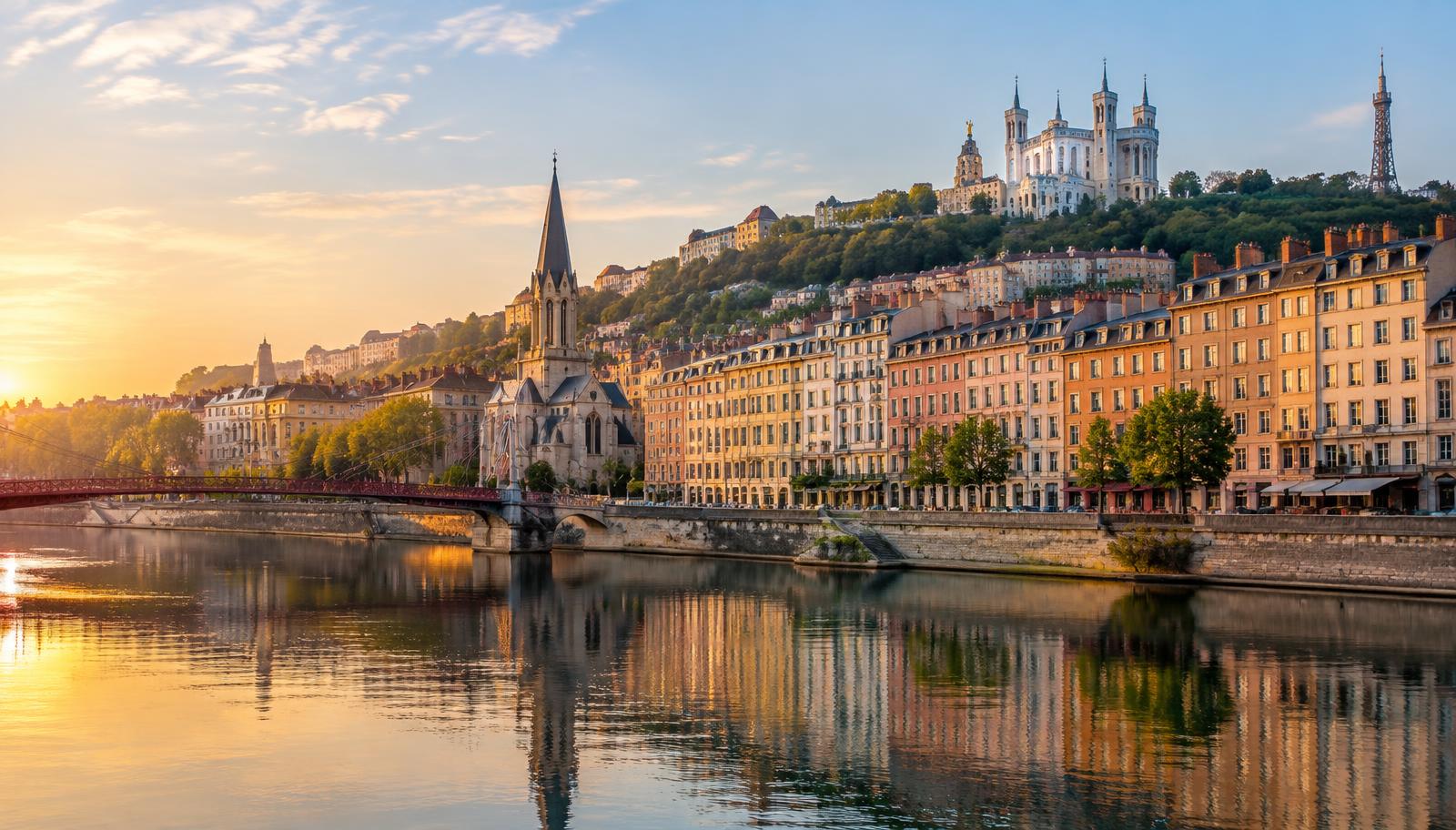
Lyon at a Slower Pace: Rivers, Markets and Long Lunches
A slow guide to Lyon: where to stay, a relaxed three-day rhythm, bouchons, markets, river walks and easy escapes to Beaujolais.
· 8 min read
Travel
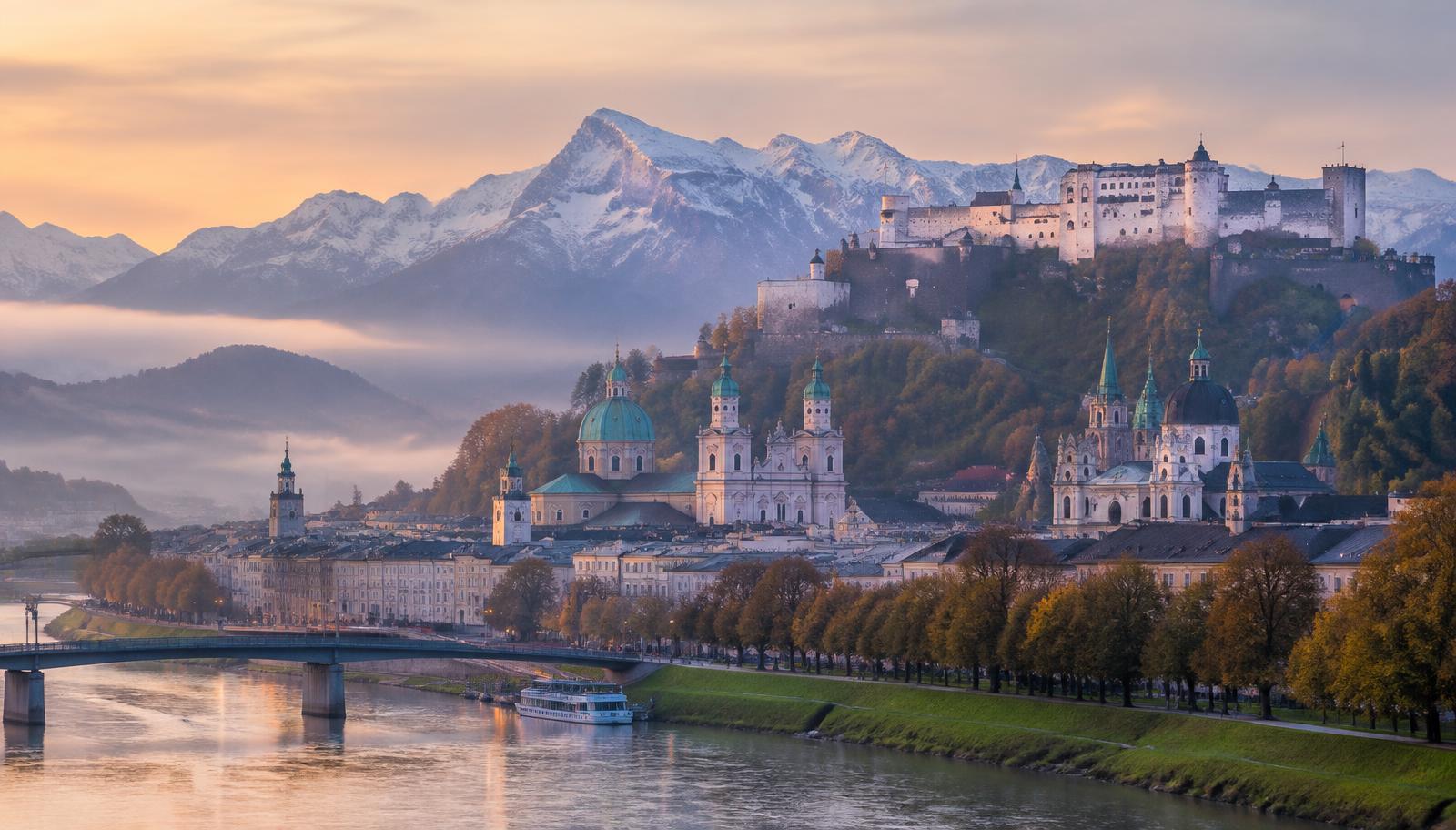
Salzburg at a Slower Pace: Baroque Squares, Hill Walks and Alpine Lakes
A slow guide to Salzburg: where to stay, a calm three-day rhythm, coffee-house culture, hilltop walks and gentle lake-district escapes.
· 7 min read
Travel
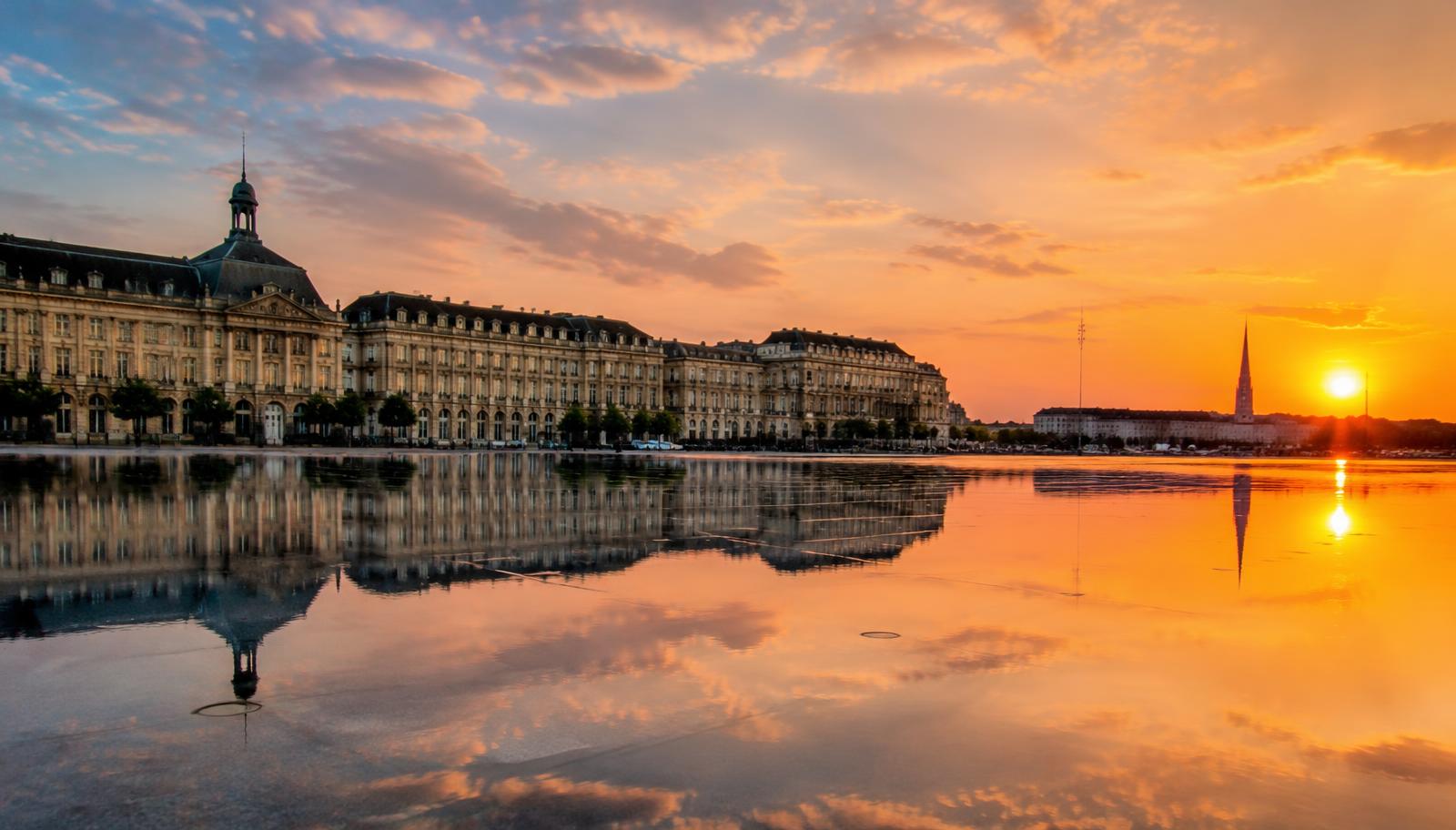
Bordeaux at a Slower Pace: Stone Streets, River Evenings and Wine Country
A slow guide to Bordeaux: where to stay, a relaxed three-day rhythm, markets, wine bars and easy trips to Saint-Émilion and the Atlantic coast.
· 7 min read