Valencia at a Slower Pace: Turia Gardens, Market Mornings and Seaside Paella
· 6 min read
Disclosure: Some links are affiliate links; we may earn a commission at no extra cost to you.
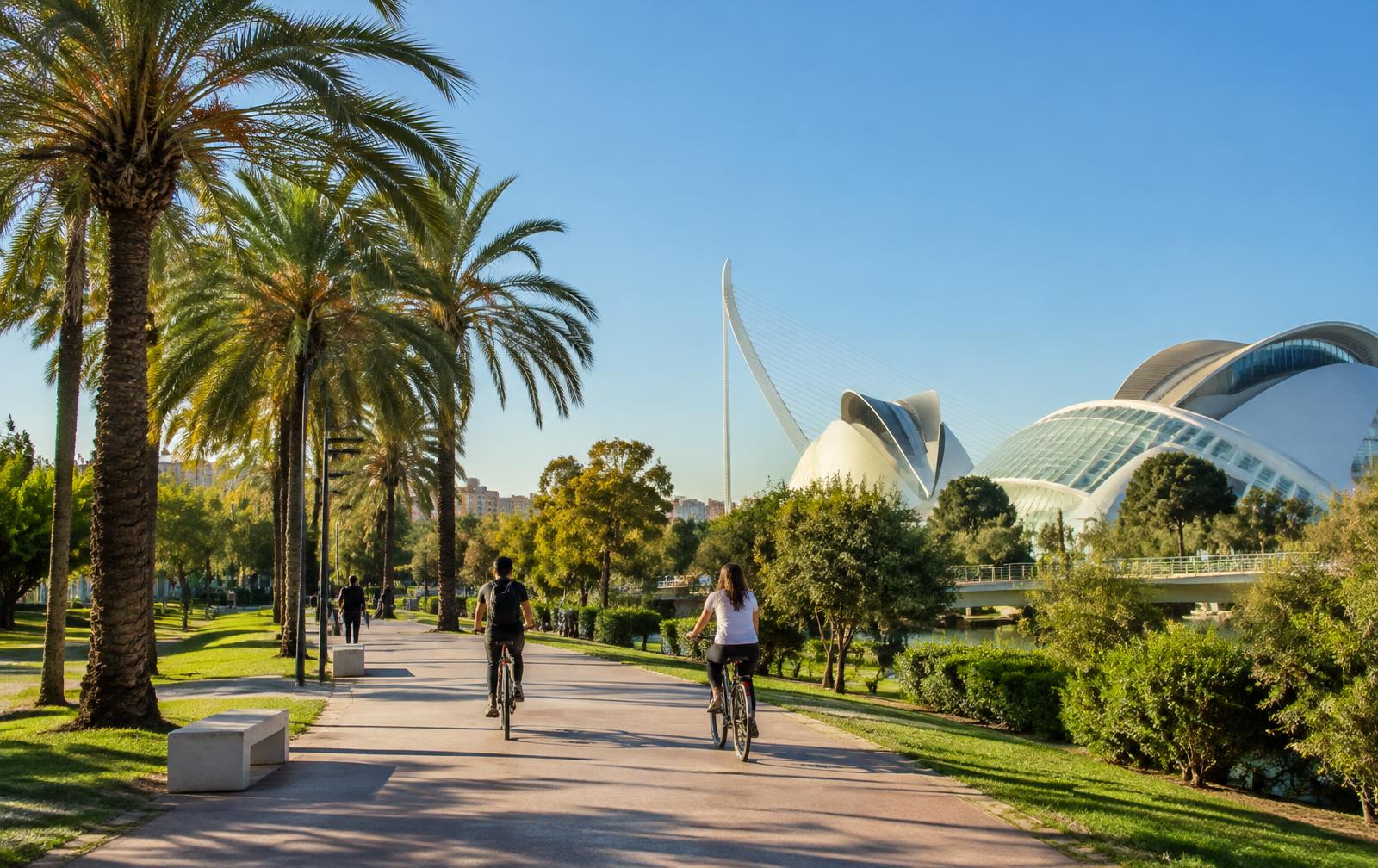
Valencia is a city that has turned an old riverbed into a nine-kilometre garden. Where the Turia once flowed, there are now palm-lined paths, orange trees, playing fields and cycle lanes that carry you from the medieval centre to the futuristic City of Arts and Sciences and on towards the sea. Add a long sandy beach, a historic central market and the birthplace of paella, and it is easy to see why Valencia rewards a slow stay. A rushed visit ticks off the landmarks. A slower one finds the rhythm: an early bike ride, a market lunch, a late swim and dinner when the evening finally cools.
This researched guide suggests three unhurried days. It does not claim a personal visit, recommend a hotel we have tested or invent current prices. Check opening arrangements and local details directly with each venue before you go, and use the booking partners to compare your own dates. Your energy, interests and access needs matter more than completing every suggestion here.
Find a base that suits your daily rhythm
Ciutat Vella, the old town, puts the cathedral, the Central Market, the Silk Exchange and many tapas bars within walking distance. It suits visitors who want history outside the door, but some streets are lively late at night. Read recent reviews for noise, ask whether a room faces the street or an inner courtyard, and check lift access if stairs matter.
If the beach is your priority, the area around El Cabanyal and Malvarrosa puts the sea at the end of your street, at the cost of a tram, bus or bike ride into the centre. Confirm how you would actually travel in and out before choosing. Compare the full price, cancellation rules, tourist tax and breakfast. The hotel links at the end are general affiliate links: enter Valencia and your own dates before choosing. They are not claims that we stayed at a particular property, nor guarantees that one provider will always be cheapest.
Day one: the old town at a walking pace
Start at the Central Market in the morning, when the stalls are full and the light comes through the glass domes. It is a working market, so buy what you will eat, check displayed prices and be considerate of people doing their shopping. A piece of fruit, some cheese or a fresh juice makes an easy breakfast.
Next door, the Silk Exchange (La Lonja) is a Gothic hall listed by UNESCO, with twisting columns that look like palm trees. Check current opening times and ticket arrangements before you go. From there, wander towards the cathedral and the Plaza de la Virgen. If you have the energy, the cathedral bell tower offers views over the rooftops, though the stairs are steep.
The local tourist information office is a good place to check what is open, current events and visitor information. In the afternoon, rest during the hottest hours as many locals do, then return to the old town for an evening walk and dinner when the streets come alive again.
Day two: the Turia Gardens by bike
Rent a bicycle or simply walk, and follow the Turia Gardens through the city. The park is flat, shaded in places and crossed by historic bridges, so it suits an unhurried day with plenty of stops. Start near the old town and head east towards the City of Arts and Sciences, the striking white buildings designed largely by Santiago Calatrava.
You do not need to enter every building. Many visitors are happy to walk around the outside, watch the reflections in the pools and choose a single attraction that genuinely interests them, such as the aquarium or science museum. Check current opening times and booking rules before you go.
Bring water, a hat and sunscreen, especially in summer. Stop for a horchata, a sweet drink made from tiger nuts, often served with long pastries called fartons. In the late afternoon, continue towards the port or return slowly through the gardens as the city cools.
Day three: the sea and a proper paella
Give the last day to the coast. Malvarrosa and Las Arenas beaches are long and sandy, with a wide promenade that suits a morning walk. Swim early before the heat builds, rest in the shade and avoid planning anything strenuous for the middle of the day.
Paella was born in the countryside around Valencia, and many locals eat it at lunchtime rather than in the evening. Choose a restaurant that cooks to order and be ready to wait; a good paella takes time. If you want to see where the rice is grown, the Albufera Natural Park south of the city has lagoons, rice fields and sunset boat trips. It deserves an unhurried afternoon rather than a rushed visit.
Finish the trip with something simple: a final walk along the promenade, a last glass of agua de Valencia, or a quiet hour in the Turia Gardens as the light fades.
Give food room to be enjoyable
Valencian food is about rice, fresh vegetables and seafood. Beyond paella, look for arroz negro, rice cooked with squid ink, and fideuà, a noodle dish cooked in a similar pan. Tapas bars in the old town are good for small plates, and many restaurants offer a weekday set lunch, the menú del día.
Meal times run late in Spain. Lunch often starts after 2 pm and dinner after 9 pm, so a slow mid-afternoon rest helps the day feel easier. Ask about ingredients directly if you have allergies or dietary needs, since recipes vary between kitchens.
We have not supplied supposedly current meal costs because no receipts or tested restaurant details were provided. Check displayed prices before ordering, and keep a note of what you actually pay if you want a useful record for a future visit.
Make practical choices before adding excursions
Valencia is flat and easy to cycle, with dedicated bike lanes across much of the city. The metro, trams and buses connect the centre, the beach and the airport. Check current routes and ticketing before your first ride, and make sure you know how to validate or pay for each journey.
Summer can be very hot, so plan outdoor activities for the morning and evening. Spring and autumn are often the most comfortable seasons for walking and cycling. Keep belongings secure in crowded areas and on the beach, check accessibility arrangements for any attraction that matters to you, and ask before photographing people. If you visit during Las Fallas in March, expect large crowds, fireworks and noise; it is spectacular but not slow.
Book thoughtfully and keep exploring
Compare hotels through Agoda, Booking.com and Hotels.com, or browse apartments on Vrbo. Find optional guided activities through GetYourGuide. These affiliate links may earn us a commission. Check dates, location, cancellation terms and the final price before paying; no link guarantees the best deal.
For more unhurried Spanish cities, read our Seville guide and our Barcelona guide. For keeping the pace after you are home, read Slow Living Between Trips. Valencia is a city of light, rice and long afternoons. Give it a few days, and it teaches you that the best part of the day is often the slow walk back from the sea.
Where to stay
Browse places to stay around Valencia, Spain. Prices change, so compare the live rate with the real price and dates shown above. Bookings made through these links may earn us a commission.
Related posts
Travel
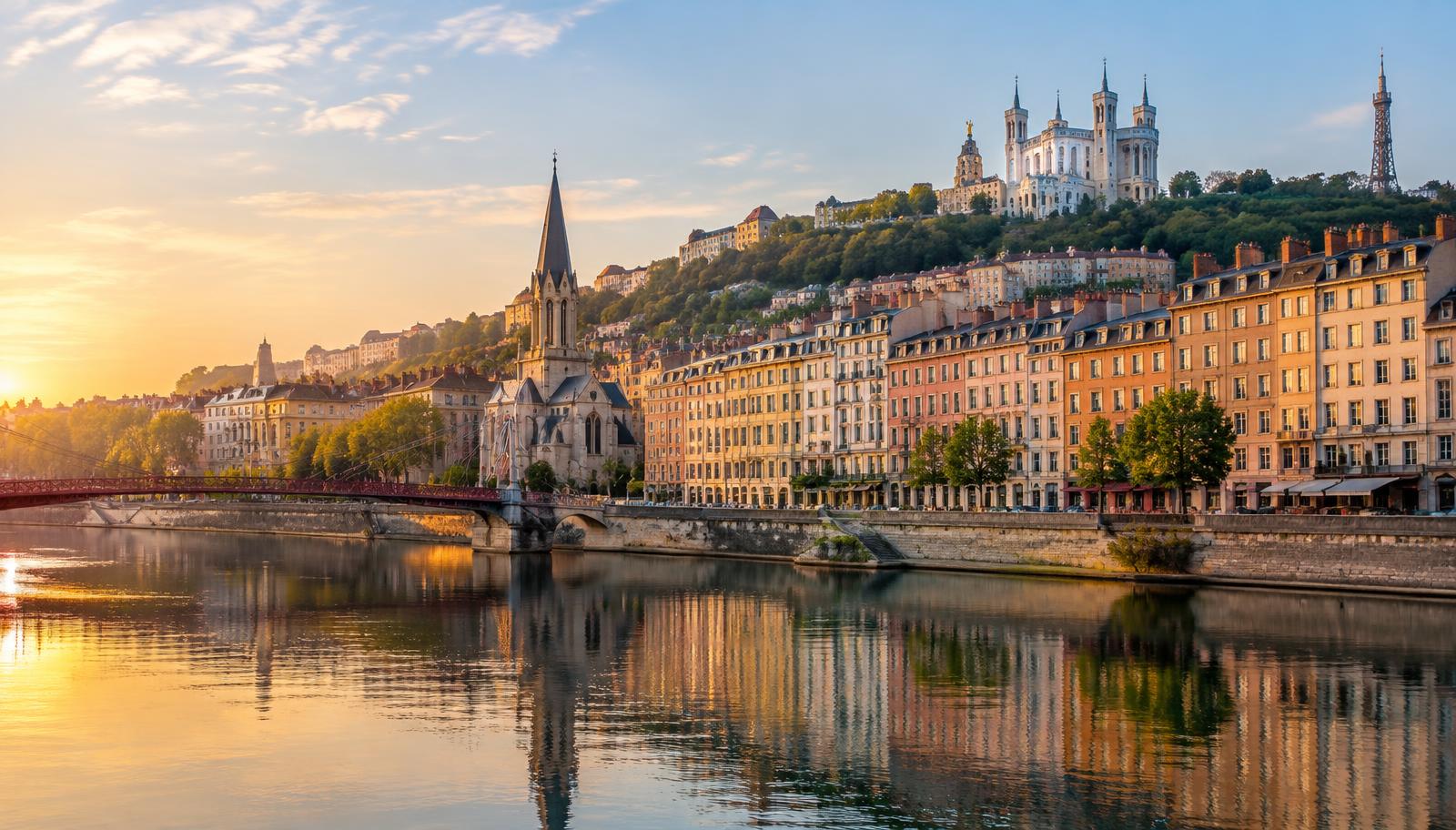
Lyon at a Slower Pace: Rivers, Markets and Long Lunches
A slow guide to Lyon: where to stay, a relaxed three-day rhythm, bouchons, markets, river walks and easy escapes to Beaujolais.
· 8 min read
Travel
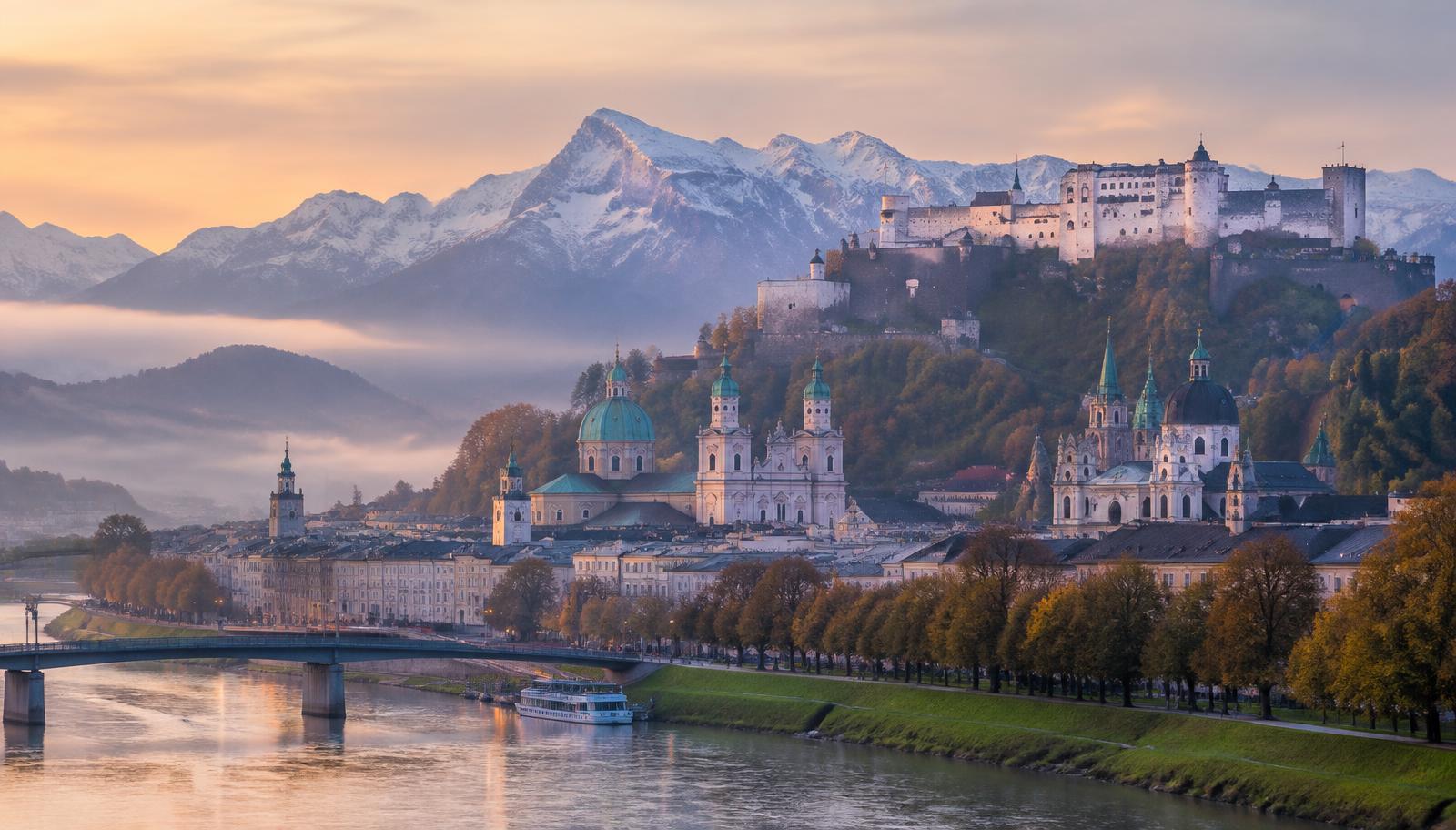
Salzburg at a Slower Pace: Baroque Squares, Hill Walks and Alpine Lakes
A slow guide to Salzburg: where to stay, a calm three-day rhythm, coffee-house culture, hilltop walks and gentle lake-district escapes.
· 7 min read

Travel
Bordeaux at a Slower Pace: Stone Streets, River Evenings and Wine Country
A slow guide to Bordeaux: where to stay, a relaxed three-day rhythm, markets, wine bars and easy trips to Saint-Émilion and the Atlantic coast.
· 7 min read