Seville at an Unhurried Pace: A Slow Travel Guide
· 7 min read
Disclosure: Some links are affiliate links; we may earn a commission at no extra cost to you.
Choosing a base for quieter days
Seville is well suited to a stay built around short walks and generous breaks. A good base puts you near daily essentials while allowing a quiet return after lunch. When comparing accommodation, look beyond neighborhood names to the specific street, recent noise reports, stairs, and cooling arrangements. Historic buildings can be atmospheric without being easy to navigate.
El Arenal is convenient for the river and central sights, though street activity varies considerably.
Around Alameda de Hércules, expect a lively dining and evening scene; check whether your room faces a busy square. For a short visit, choose somewhere that makes a midday return realistic. Rest becomes much easier when it does not require a complicated journey.
Walking and public transport
Much of the historic center is best explored on foot, but aim for connected neighborhood walks rather than a single ambitious circuit. Narrow lanes may be shaded while nearby plazas are exposed. Stone paving can become slippery, and pedestrian streets still require awareness of bicycles, service vehicles, and other permitted traffic.
The Guadalquivir provides a useful orientation line. Crossing the river on foot is straightforward, but bridges and riverside stretches can feel hot without shade. Save longer waterside walks for gentler conditions, and carry water even when the distance looks modest.
Seville has urban buses, a tram, and a metro, each useful for different journeys. The metro does not directly serve every part of the historic core, so check the actual stop and final walking distance before choosing a route. Confirm current fares and ticket validation rules through official information. Cycling can work well on designated routes, but avoid treating crowded pedestrian lanes as shortcuts. For step-free journeys, verify both vehicle access and the streets at either end.
Sights that reward attention rather than speed
The Real Alcázar is a strong introduction to Seville's layered architectural history. Its palaces and gardens reflect different periods and traditions, including outstanding Mudéjar work commissioned under Christian rule. Book through official channels, check current entry requirements, and bring any identification required by your ticket. Allow enough time for details such as plasterwork, ceilings, and the relationship between rooms and courtyards.
The cathedral offers a different sense of scale. Built largely on the site of the city's principal mosque, it incorporates the Giralda, whose lower section began as a minaret. The tower ascent includes ramps and steps, so assess its suitability rather than assuming it is an effortless climb.
Plaza de España and María Luisa Park provide a change from enclosed monuments. The plaza was created for the 1929 Ibero-American Exposition, and its tiled provincial scenes reward a slow circuit. For another day or a quieter alternative, the Museum of Fine Arts brings painting and a former convent setting together. Select a few substantial visits rather than crowding all of them into one schedule.
Food culture without the rush
Tapas in Seville are an invitation to flexibility, not a requirement to visit as many bars as possible. You can share a few dishes in one place, order gradually, and stop when satisfied. Menus may distinguish between tapas and larger portions, but availability differs by establishment. Ask before assuming every dish comes in every size.
Local cooking includes chickpeas with spinach, fried fish, cured meats, and chilled tomato-based dishes. Preparations vary, and apparently vegetable-based food may contain stock, ham, egg, or seafood. Explain allergies clearly and ask about ingredients and shared cooking equipment when necessary.
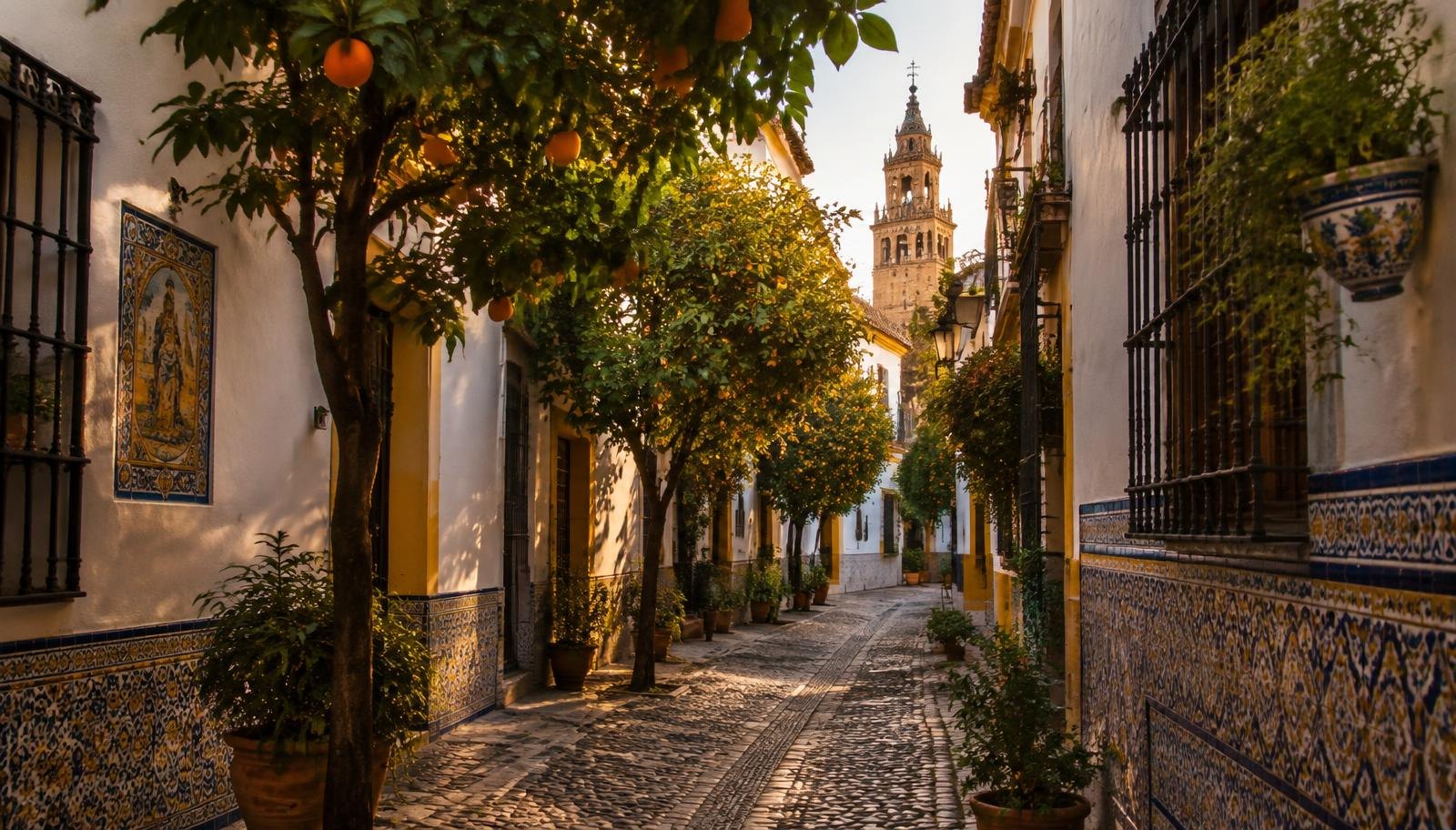
Meal times often run later than some visitors expect, although central areas offer varied service patterns. Adjust gently rather than postponing lunch until hunger makes decisions difficult. Breakfast can remain simple: toast, olive oil, tomato, and coffee are familiar choices. Water and nonalcoholic drinks fit easily into the rhythm. The bitter oranges on many city trees are ornamental and should not be treated as a ready street snack.
Day one: palace courtyards and quiet lanes
Make the Real Alcázar the day's main commitment. Arrive in time for your reserved entry and leave the following hours free rather than attaching another tightly scheduled attraction. Move through the palace at a pace that allows you to notice transitions: decorated rooms opening into courtyards, changes in materials, and views framed by doorways.
Explore the gardens according to the weather and current access arrangements. They are part of the visit, not merely a route to the exit, but shade should not encourage you to ignore rising temperatures. Take a break afterward and choose a seated lunch nearby without insisting on a particular famous dish.
Spend the later afternoon wandering the lanes near the cathedral, using a loose route rather than hunting every photographed corner. Small squares and narrow passages are also shared neighborhood spaces, so avoid blocking doors or gathering beneath residential windows. If energy drops, return to your accommodation. Finish with dinner within easy walking distance and a brief evening stroll. The aim is to become comfortable with the center, not to complete it on the first day or test every possible route home.
Day two: the cathedral and the river
Visit the cathedral in the morning, checking current visitor arrangements and remembering that it remains a place of worship. Give the interior enough attention before deciding whether to ascend the Giralda. If you do climb, keep a comfortable pace and allow others to pass where possible. Missing a tower view is preferable to turning the day into an endurance test.
After lunch and a rest, walk toward the river and cross to the far bank when temperatures are comfortable. The riverside district has longstanding associations with ceramics and flamenco, but it is also a place of ordinary shopping, school runs, and daily work. Browse ceramic displays thoughtfully, distinguishing locally made work from mass-produced souvenirs by asking about origin and production.
A visit to the ceramics museum on that side of the river can add context if its current schedule fits. Otherwise, enjoy a modest walk through the surrounding streets and pause for a drink. Have dinner on whichever side of the river best suits your energy. If you want to attend flamenco, choose a dedicated performance, check booking and audience expectations, and give the artists your full attention rather than treating the music as background.
Day three: a park morning and an open afternoon
Begin at Plaza de España before planning a relaxed walk into María Luisa Park. Notice the plaza's bridges, brickwork, and ceramics, then step away from its busiest photographic viewpoints. The park offers paths, planting, and places to pause, although comfort depends on season and weather. Let the route remain short enough to enjoy rather than making a complete circuit obligatory.
Have lunch and take a proper break. For the afternoon, choose between art and neighborhood wandering. The Museum of Fine Arts suits travelers ready for focused indoor attention; check its current schedule before traveling. Alternatively, explore the streets around Alameda de Hércules, allowing time for a café stop and the changing atmosphere of a different part of the center.
Avoid combining both simply because this is the last full day. Return to a favorite square, buy something useful from a local shop, or spend longer over dinner. Before the evening ends, confirm your departure transport and allow a sensible margin for reaching the station or airport. A slow final day should leave you refreshed, not facing unfinished logistics late at night.
Practical care in a warm, lived-in city
Heat is a serious planning consideration in Seville, especially during summer. Schedule exposed outings for cooler parts of the day, carry water, and take indoor breaks. Follow official warnings during extreme conditions and reduce your plans when necessary. A hat and sunscreen help, but neither replaces avoiding prolonged heat exposure.
Spring celebrations, including Holy Week and the April Fair, can transform movement and accommodation demand. Dates and arrangements vary, so check them before booking if you want either to participate or to seek a quieter stay. Processions and major events can alter familiar walking routes.
Keep valuables secure around crowded sights and transport stops. In churches, follow dress and photography guidance, and avoid interrupting services. Ask before photographing individuals, particularly performers or residents at close range. Historic paving and building thresholds can complicate wheelchair access, so confirm specific entrances and facilities directly. Carry essential medication and appropriate travel documentation; 112 is the emergency number. Respect residential quiet at night, and use public bins rather than leaving picnic waste beside an already full container.
Taking Seville at its own pace
Seville offers more than a sequence of grand interiors and postcard lanes. Its character also emerges in the distance between a shaded courtyard and a bright plaza, a relaxed lunch and a later walk, the monumental center and the working streets across the river.
Give each day one clear anchor, then protect the empty space around it. That space allows for heat, curiosity, conversation, and rest without making any of them feel like delays. You may leave some sights for another journey, but you will have given the places you chose the attention they deserve. A slower stay is not a smaller experience; it is a more considered one.
Where to stay
Browse places to stay around Seville, Spain. Prices change, so compare the live rate with the real price and dates shown above. Bookings made through these links may earn us a commission.
Related posts
Travel
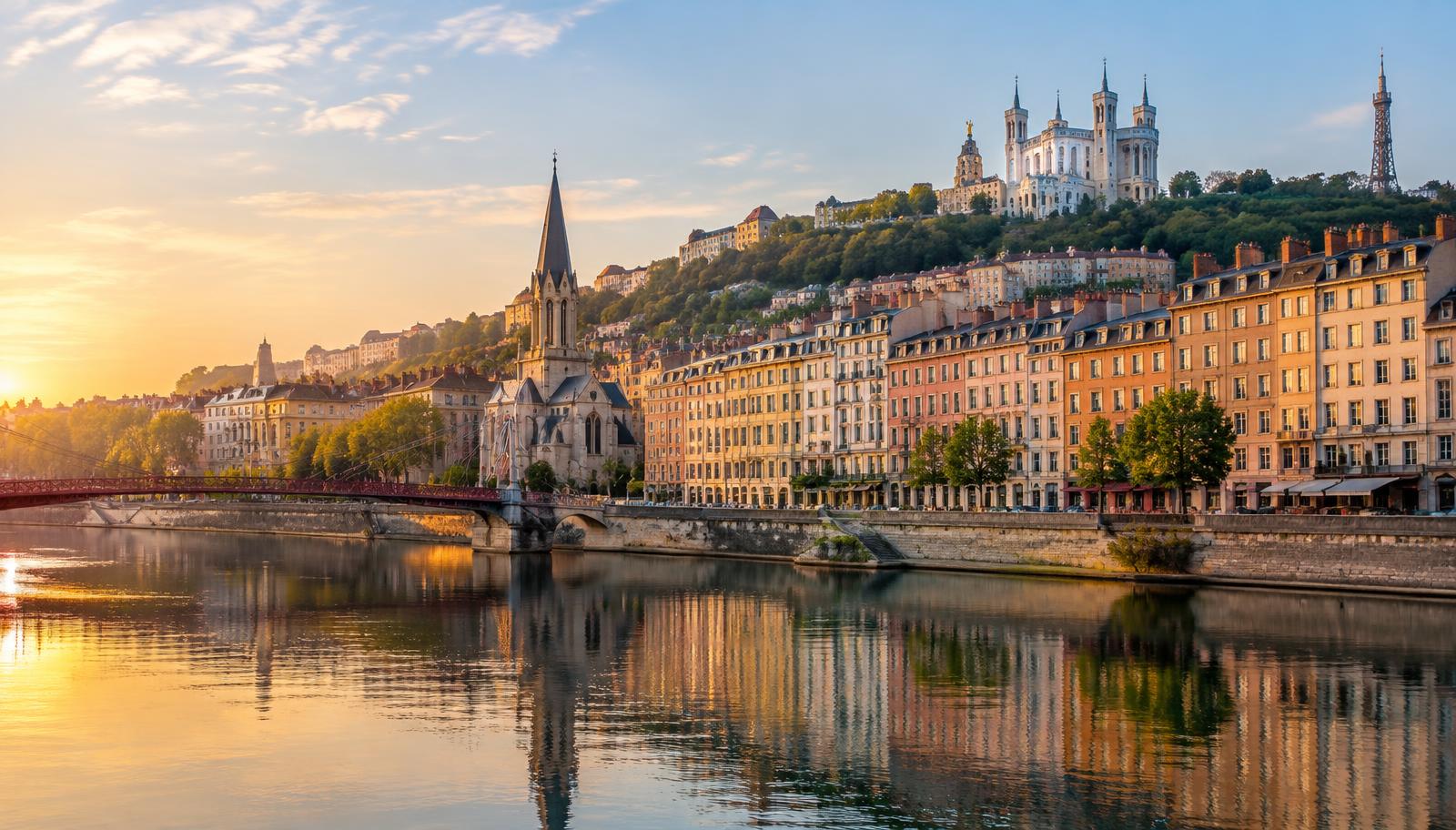
Lyon at a Slower Pace: Rivers, Markets and Long Lunches
A slow guide to Lyon: where to stay, a relaxed three-day rhythm, bouchons, markets, river walks and easy escapes to Beaujolais.
· 8 min read
Travel
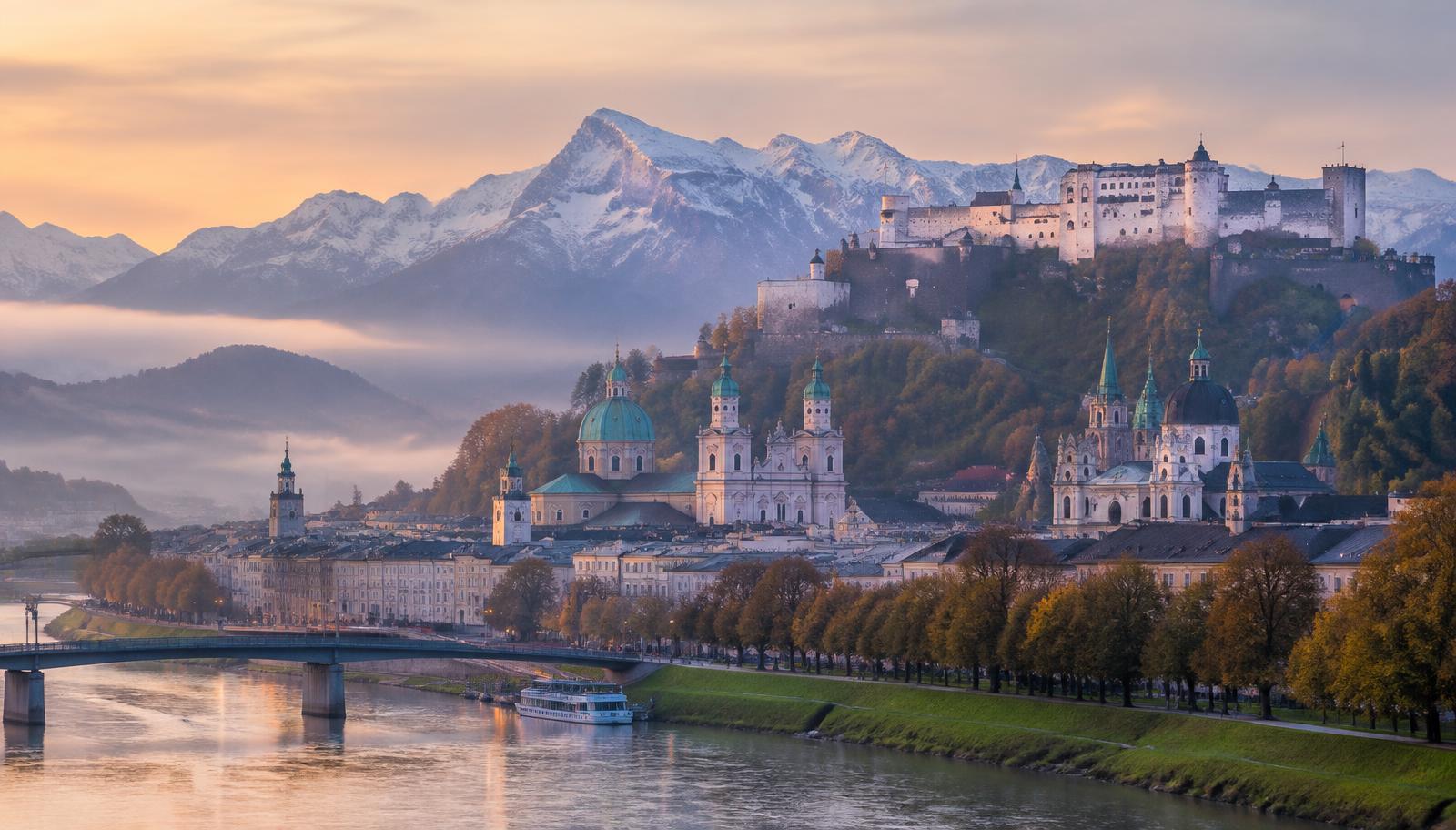
Salzburg at a Slower Pace: Baroque Squares, Hill Walks and Alpine Lakes
A slow guide to Salzburg: where to stay, a calm three-day rhythm, coffee-house culture, hilltop walks and gentle lake-district escapes.
· 7 min read
Travel
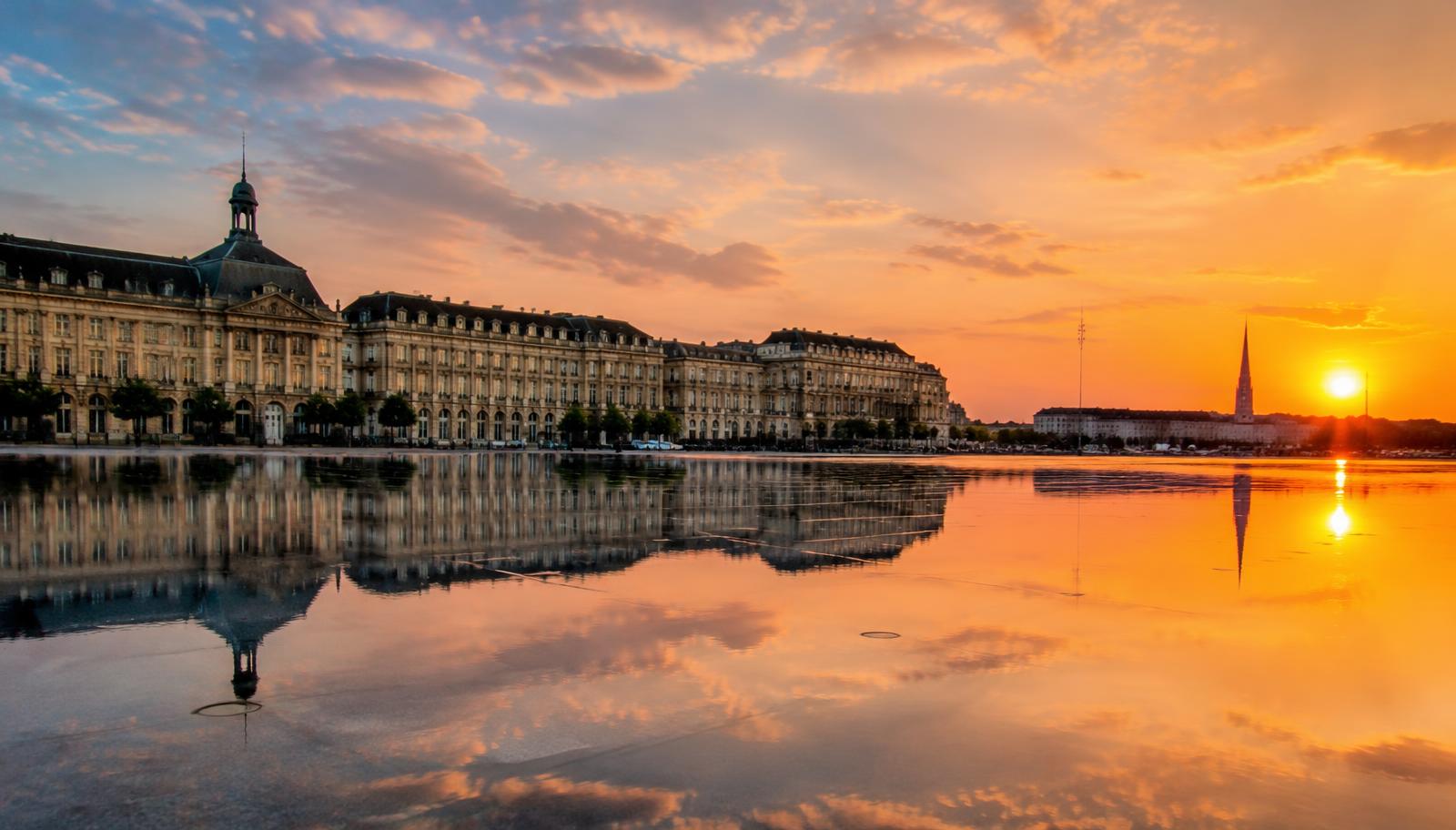
Bordeaux at a Slower Pace: Stone Streets, River Evenings and Wine Country
A slow guide to Bordeaux: where to stay, a relaxed three-day rhythm, markets, wine bars and easy trips to Saint-Émilion and the Atlantic coast.
· 7 min read