Barcelona at a Slower Pace
· 8 min read
Disclosure: Some links are affiliate links; we may earn a commission at no extra cost to you.
Introduction
Barcelona hums with energy, but its richest experiences reward those who slow down. Beyond the postcard views and famous façades is a city shaped by daily rituals: morning coffees, midday markets, siestas on benches, evening passejos. This guide is for travellers who want to savour Barcelona one neighbourhood, one meal, one stroll at a time—embracing a rhythm that leaves space for curiosity, rest and small discoveries.
Why fewer stops
Slow travel is not about seeing less; it’s about seeing deeper. Limiting the number of places you try to cram into a day allows time to sit, observe and let details reveal themselves: the way light hits a modernist tile, a conversation floating from a café, the changing tempo of a square from morning to night. Fewer stops mean less rushing, fewer transit connections and more meaningful encounters—whether with local markets, public parks or the unhurried patience of a neighbourhood bakery. This approach also reduces stress and creates room for unexpected delights.
Choosing a neighbourhood to stay
Choosing one neighbourhood as a base is central to slow travel. Here are several well-known areas and who they suit:
Eixample: Characterised by its grid layout and grand modernist buildings, Eixample suits travellers who enjoy architecture, wide avenues and easy public-transport links. It’s a good balance of residential calm and urban amenities.
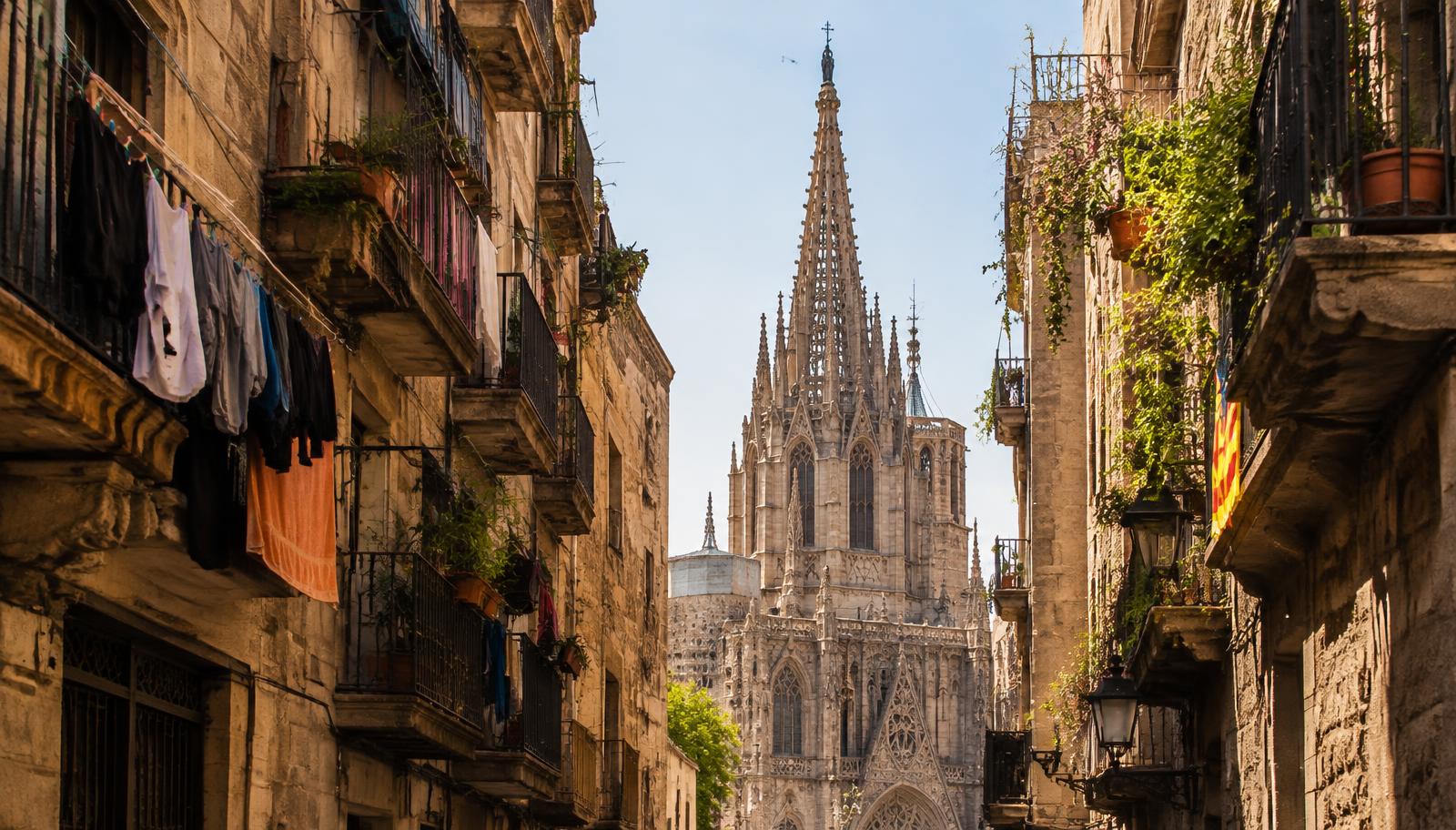
Barri Gòtic (Gothic Quarter): Narrow streets, medieval squares and historic layers make this area ideal for history lovers who want to wander cobbled lanes and discover hidden corners. It can be lively, so those seeking quiet nights may prefer quieter streets.
El Born: A compact, creative district with artisan shops, galleries and intimate bars. El Born is well suited to travellers who value boutique culture and want to be within easy walking distance of major sights while retaining a village feel.
Gràcia: Once a separate town, Gràcia feels like a small community with plazas, independent shops and a relaxed pace. It’s perfect for those who want to experience local life, neighbourhood festivals and a slower, residential vibe.
Poblenou: Close to the beaches and with a mix of old factories and new developments, Poblenou appeals to people who want architecture, open spaces and quieter beach access without the bustle of the historic centre.
Sants-Montjuïc: A broad area that includes the hill of Montjuïc, it suits travellers who enjoy parks, museums and panoramic views and who don’t mind being a little removed from the densest tourist zones.
Choose a base that matches how you like to spend your days—whether that’s morning market visits, long evening meals, museum afternoons or beachside pauses.
Getting around on foot and public transport
Walking is the heart of slow Barcelona. Many streets are best experienced at a pedestrian pace: let lanes lead you to unexpected squares, doors and façades. Aim to cover smaller areas on foot and treat public transport as a way to connect between neighbourhoods rather than as a full-day solution.
The city’s metro, buses and trams are useful for reaching outlying attractions or returning after a long walk. Trains connect to coastal neighbourhoods and beyond. When using public transport, keep maps handy, note the nearest stops for your accommodation and allow extra time for a relaxed pace. Elevators and escalators are common at main metro stations, but be prepared for some stairs in older stops.
Cycling or renting an electric scooter can feel efficient, but for slow travel they are best used sparingly; they can shorten walking time but reduce the opportunity for unplanned pauses. If mobility is a concern, plan routes that minimise steep hills—some areas like the Gothic Quarter and Montjuïc have uneven surfaces.
Things to see slowly
Select a few well-known landmarks and neighbourhood areas, and approach them without a checklist mentality. Suggested focal points for slow encounters:
Sagrada Família and Eixample façades: Stand across the street or in a small café and watch the building change as light shifts. Stroll along Passeig de Gràcia to see a sequence of modernist masterpieces, taking time to notice ironwork, tile patterns and balcony profiles.
Parc Güell and Gràcia: Rather than rushing to its panoramic points, wander quieter paths, linger on benches and explore the surrounding Gràcia streets for a local atmosphere.
Barri Gòtic and El Born: Meander the old lanes, pause in hidden squares, and allow time to discover small artisan shops and historic gateways. The contrast between these two adjacent areas—one medieval, one medieval-meets-creative—rewards slow exploration.
Barceloneta and the waterfront: Walk the length of the old fishing quarter and promenade in the early morning or late afternoon when light softens. Sit on the sand, watch boats and notice the changing rhythm of sea and land.
Montjuïc hill: Take a measured climb or a leisurely transit up the hill for gardens, views and quieter cultural spaces. Spend an afternoon among the gardens rather than trying to squeeze every attraction into a single visit.
Parc de la Ciutadella and the surrounding cultural quarter: This green lung is ideal for slow afternoons—picnics, people-watching and a gentle boat ride on calm days.
Approach each place as a place to be in, not just a place to tick off. Give yourself time to sit, sketch, photograph or simply breathe and absorb the atmosphere.
What and how to eat
Eating slowly in Barcelona is a pleasure cultivated by market stalls, neighbourhood cafés and a tradition of shared plates. To eat like a local:
Start with simple staples: bread rubbed with tomato (pa amb tomàquet), local cheeses and cured meats. Small tapas or "tapes" are often shared; order a few plates and savour them between conversation and people-watching.
Explore seafood and Catalan classics: dishes such as fideuà (a noodle-based paella-like dish), grilled fish and vegetable-forward plates like escalivada are regional hallmarks. Seasonal vegetables and olive oil are central to many preparations.
Embrace market culture: Markets are social hubs where fresh produce, cheese, fish and prepared foods invite sampling. Move slowly through stalls, ask about ingredients, sip a coffee while watching local rhythms.
Make time for coffee breaks and vermut: A late-morning coffee or an afternoon vermouth has social value—these pauses help structure a slow day. Choose a sidewalk table or a small interior table and let time expand around you.
Meals as rituals: Dinner often starts later and is unhurried. Choose an evening when you allow a long, multi-course meal to unfold—small dishes, local wine or soft drinks, and leisurely conversation.
Avoid the temptation to rush from one food spot to the next. The pleasures of Barcelona’s cuisine emerge most fully when meals are tasted slowly and shared.
A gentle three-day outline
This sample itinerary keeps pace calm and flexible—pick what suits your interests and linger where something engages you.
Day 1: Neighbourhood immersion
- Morning: Settle into your chosen neighbourhood with a slow breakfast and a stroll to the nearest market. Observe daily life—shopfronts, bakery lines, produce displays.
- Midday: Choose a small museum or cultural space nearby and take a relaxed visit. Have a long lunch of shared plates.
- Afternoon: Walk through local streets, pause in a plaza for people-watching and perhaps a short siesta or café break.
- Evening: Enjoy a gentle paseo—watch the light change, find a plaza to sit in and let the evening settle.
Day 2: Architectural and park day
- Morning: Walk a section of Passeig de Gràcia, focusing on façades and craftsmanship. Pause often to read plaques or admire details.
- Midday: Visit the area around Sagrada Família for views without a hurried timeline. Have a relaxed lunch in a nearby neighbourhood café.
- Afternoon: Head to Parc Güell or another green space; wander, sit and let the scenery unfold slowly. If returning to Gràcia, explore its plazas at sunset.
- Evening: Take a late encore stroll or attend a local cultural event if something aligns with your stay—no need to fill every hour.
Day 3: Waterfront and hillside calm
- Morning: Walk the waterfront beginning at Barceloneta—early light is often gentle, markets fresh.
- Midday: Pause for a long lunch and perhaps a brief beach rest or park picnic.
- Afternoon: Make your way up Montjuïc for gardens and views. Move slowly between terraces and museums; prioritise one indoor visit rather than trying to see all.
- Evening: Return to your base neighbourhood for a final relaxed meal and a long coffee or digestif in a quiet square.
Each day keeps movement local and focused, allowing extra time for unplanned discoveries and restorative pauses.
Practical care and budgeting tips
Slow travel naturally supports careful budgeting—staying in one place longer reduces relocation costs and allows you to shop and cook some meals. Here are practical tips:
Accommodation: Consider renting an apartment or choosing a smaller guesthouse for a kitchen and space to settle. Longer stays often feel more economical in time and stress even if nightly rates vary.
Transport: Buy multi-use tickets or short-term travel cards if you plan to use public transport several times, but prioritise walking. Save on transit by consolidating longer journeys into single days.
Tickets and attractions: For highly visited sites, book timed-entry options if you prefer to arrive at a specific hour; otherwise enjoy exterior views and the surrounding neighbourhood to maintain a flexible schedule.
Safety and comfort: Watch belongings in crowded areas and markets; keep a photocopy of important documents and a small first-aid kit for blisters or minor needs. Dress in layers—coastal weather can shift.
Time of day: Early mornings and late afternoons are especially rewarding for light, fewer crowds and comfortable temperatures. Build meals and strolls around these softer times.
Respect local rhythms: Shops and services may have different opening patterns than you’re used to; adopt a patient approach and use slower periods for exploring.
Conclusion
Barcelona at a slower pace is a city that gives back its secrets to the patient. Choosing one neighbourhood as a home base, walking slowly, savoring markets and meals, and focusing on a few sites with depth rather than breadth will reveal the city's texture: the rhythms of everyday life, the craftsmanship on a doorframe, the comfort of a sunlit bench. Slow travel here is not a denial of the city’s famous sights but an invitation to inhabit them kindly—letting time stretch so Barcelona can unfold, one quiet moment at a time.
Where to stay
Browse places to stay around Barcelona, Spain. Prices change, so compare the live rate with the real price and dates shown above. Bookings made through these links may earn us a commission.
Related posts
Travel
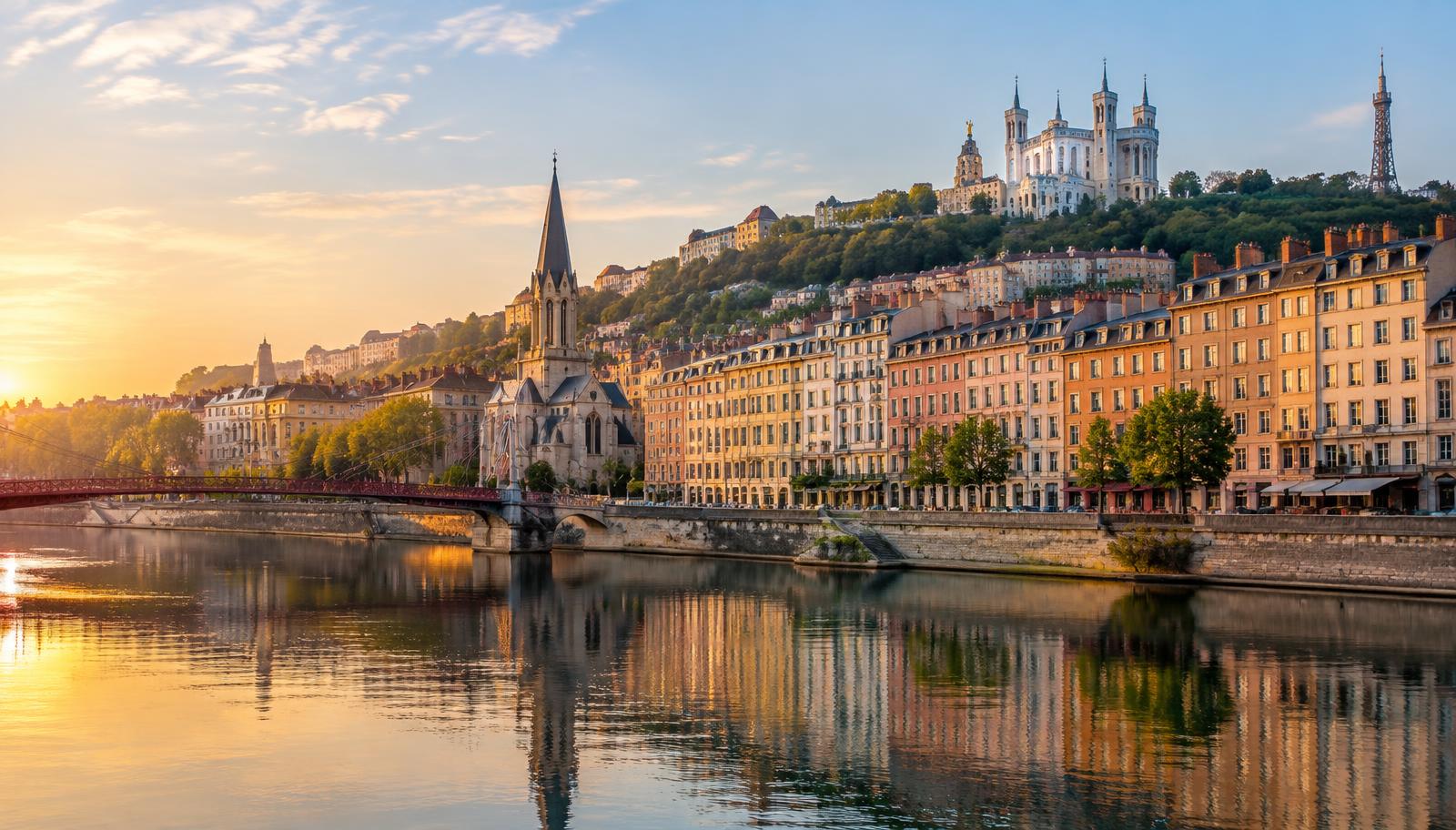
Lyon at a Slower Pace: Rivers, Markets and Long Lunches
A slow guide to Lyon: where to stay, a relaxed three-day rhythm, bouchons, markets, river walks and easy escapes to Beaujolais.
· 8 min read
Travel
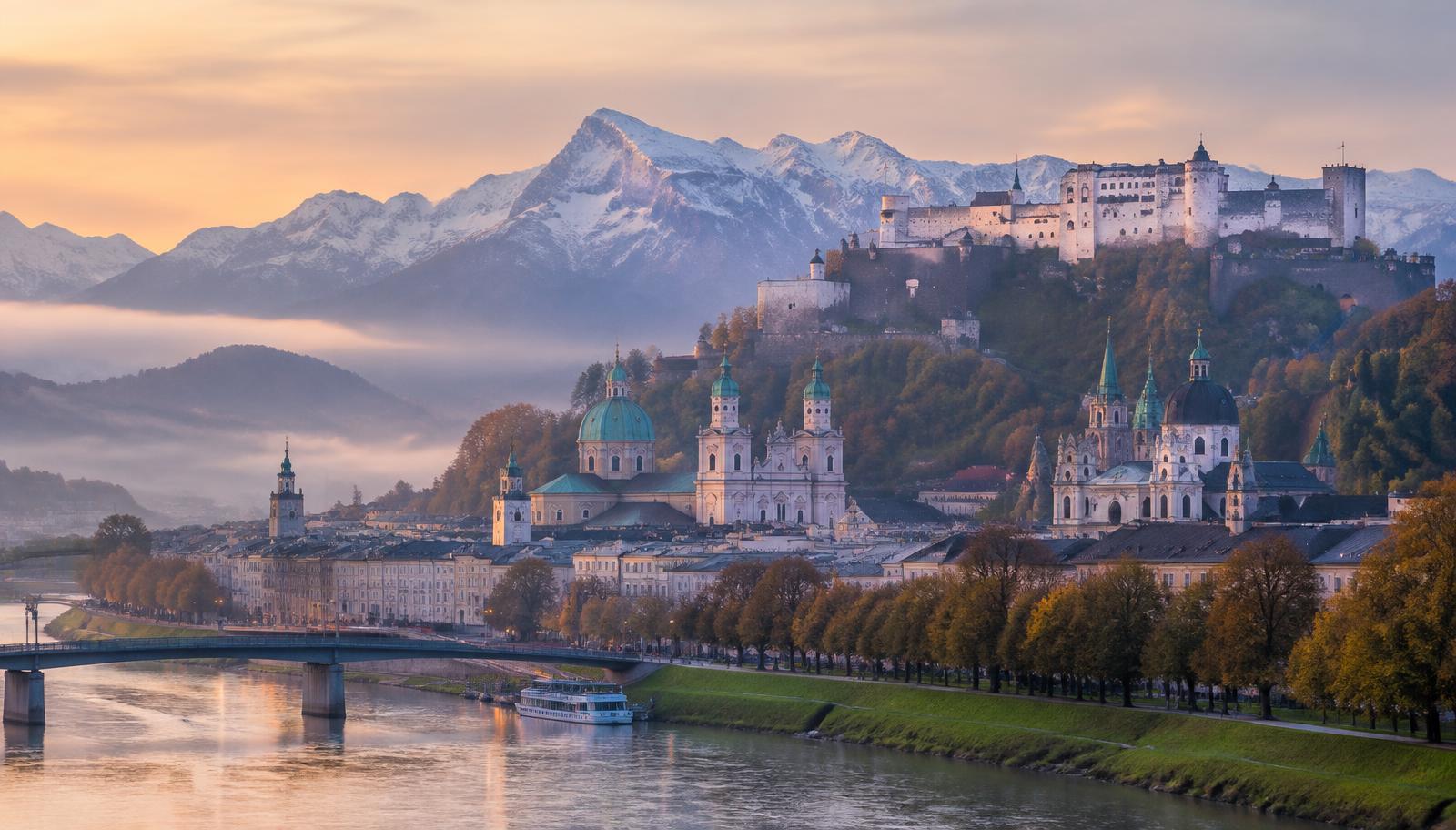
Salzburg at a Slower Pace: Baroque Squares, Hill Walks and Alpine Lakes
A slow guide to Salzburg: where to stay, a calm three-day rhythm, coffee-house culture, hilltop walks and gentle lake-district escapes.
· 7 min read
Travel
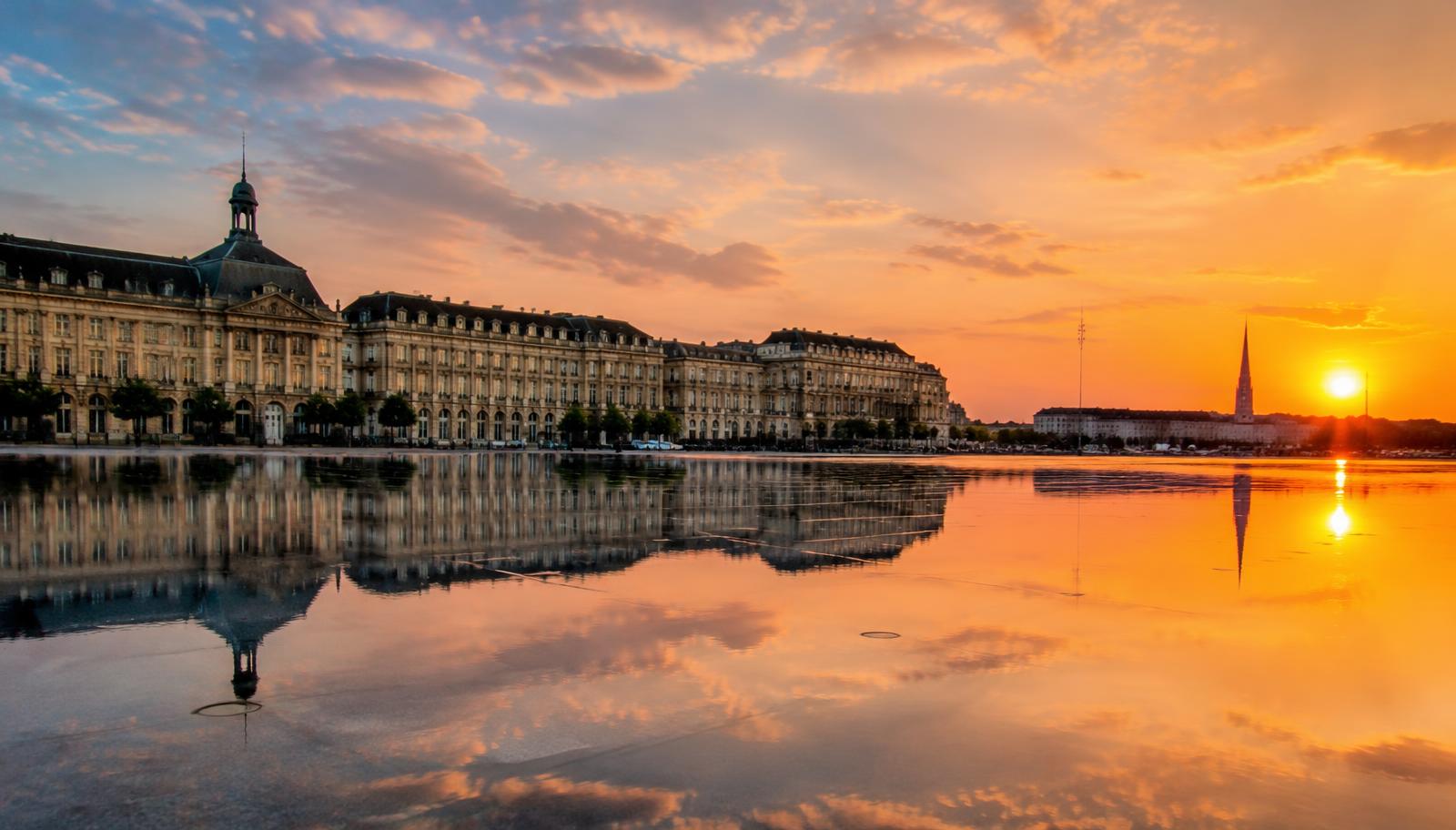
Bordeaux at a Slower Pace: Stone Streets, River Evenings and Wine Country
A slow guide to Bordeaux: where to stay, a relaxed three-day rhythm, markets, wine bars and easy trips to Saint-Émilion and the Atlantic coast.
· 7 min read