Prague Beyond the Checklist: A Slow Travel Guide
· 7 min read
Disclosure: Some links are affiliate links; we may earn a commission at no extra cost to you.
Finding a gentler pace in Prague
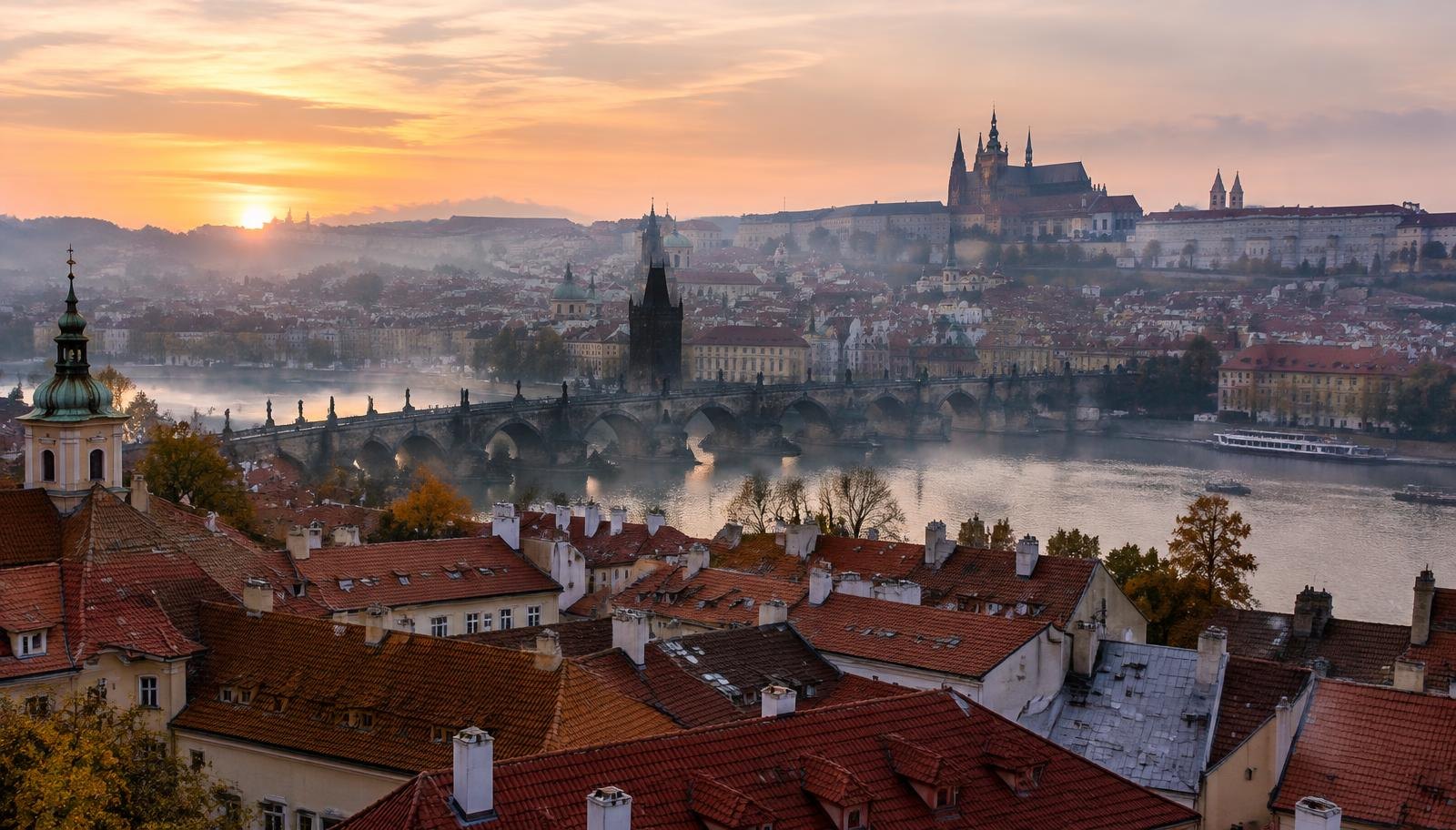
Prague’s beauty can tempt visitors into constant movement: another tower, another bridge, another narrow street leading toward a famous square. Slow travel offers a more satisfying alternative. Choose a few landmarks, explore the spaces around them, and allow the Vltava to become a point of orientation rather than merely a photograph.
The historic center is compact in places but not effortless. Crowds, cobbles, hills, and the temptation to keep walking can make a modest route surprisingly tiring. A good day balances concentrated sightseeing with somewhere comfortable to sit and an easy journey back to your accommodation.
Prague also extends well beyond its postcard views. Residential streets, neighborhood bakeries, parks, and ordinary tram journeys give context to the monuments. Spend some time outside the busiest visitor corridors, not in search of a supposedly undiscovered city, but to understand how the celebrated center connects with everyday life.
Choosing where to stay
Old Town offers immediate access to major landmarks and atmospheric streets. It can be convenient for a short visit, but the busiest routes attract crowds and evening noise. Look closely at the surrounding streets and ask about room orientation if quiet sleep is a priority.
Malá Strana, below Prague Castle on the opposite bank, places courtyards, gardens, and hillside walks nearby. Its setting is appealing, though slopes and uneven surfaces can complicate an otherwise short journey. A location that appears close on a map may involve stairs or a noticeable climb.
Vinohrady suits travelers who prefer a residential base with cafés, parks, and good transport connections. Karlín offers another neighborhood-focused option, with relatively level streets in much of the district and convenient tram or metro access depending on the address.
New Town covers a varied area rather than a single atmosphere. Check the specific block, not only the neighborhood label. Wherever you stay, prioritize restful conditions, a useful transport stop, and manageable luggage access. Historic buildings do not always have elevators, and accommodation near nightlife may remain lively after sightseeing streets have quietened.
Walking, trams, and the metro
Prague works best as a combination of walking and public transport. Explore individual areas on foot, then use trams or the metro to connect them. This avoids spending your energy on transfers that add little to the day, especially when a hill or long stretch of busy road lies between two destinations.
Trams are part of everyday movement, not simply scenic rides. Keep clear of tracks, pay attention when crossing streets, and do not assume a tram can stop quickly. Hold on while traveling, and leave space around doors for passengers to board and alight.
Check current ticket conditions before your first journey. Paper tickets commonly need validation at the start of travel, while mobile products have their own activation rules. Understand when your ticket becomes valid, how long it lasts, and which services it covers. Do not assume every airport connection uses identical arrangements.
Cobbles can be slippery when wet, and some historic routes contain steps. Supportive footwear is more useful than ambitious walking targets. Travelers with mobility requirements should check specific stations, vehicles, and building entrances; a step-free transport journey does not guarantee an accessible final approach.
Exploring the sights without rushing
Old Town Square deserves time beyond a quick look at the Astronomical Clock. Notice the surrounding architecture, move away from the densest gathering points, and explore adjacent streets without trying to photograph every façade. Standing in doorways or narrow passages can obstruct people who live and work here.
Charles Bridge is both a historic landmark and a busy pedestrian route. Earlier or later walks may offer a different atmosphere, but solitude is never guaranteed. Cross once with attention to the river and statues, then consider using another bridge for a broader view of the city.
Prague Castle is a large complex with separate buildings, courtyards, and visitor arrangements. St. Vitus Cathedral is central to the experience, but it is also a religious space. Check current access rules and allow for security procedures or changes associated with official events.
Josefov offers important insight into Prague’s Jewish history. Its synagogues, cemetery, and museum collections deserve focused attention rather than a rushed addition to a crowded day. Opening arrangements reflect religious observance, so check dates carefully. If this history is a priority, give it a dedicated half-day and remove another major stop.
Eating with the city’s daily rhythm
Czech food is often substantial, with soups, roast meats, sauces, potatoes, and dumplings featuring prominently in traditional cooking. Svíčková commonly pairs beef with a creamy vegetable sauce and bread dumplings. Other familiar dishes include goulash and roast pork with accompaniments that vary by preparation.
Balance richer meals with lighter choices rather than treating every lunch as a culinary assignment. Bakeries and cafés can provide a gentler pause, and contemporary Prague offers a wide range of cuisines alongside traditional dishes. Vegetarian and vegan travelers should check ingredients, since soups and apparently meat-free sides may use stock or animal fats.
Beer has an important place in Czech food culture, but participating does not require drinking alcohol. Order according to your preferences, and take the same unhurried approach to a soft drink or coffee.
In heavily visited areas, read the menu before sitting down and clarify anything unclear about portions or additional items. Check the bill and ask politely about unfamiliar charges. When tipping, base the decision on the service and local practice rather than assuming a fixed rule applies everywhere.
A detailed three-day slow itinerary
Day one: Old Town and the river
Begin in Old Town Square, giving yourself time to understand its layout before entering the surrounding lanes. See the Astronomical Clock without making its display the organizing principle of the entire morning. Continue along a small selection of streets, stopping whenever a quieter corner invites attention.
Have lunch away from the most crowded pedestrian bottlenecks. In the afternoon, walk toward the river and cross Charles Bridge at a comfortable pace. Once across, explore a little of Malá Strana rather than immediately climbing toward the castle.
Pause around Kampa, choosing a bench or café according to the weather. Return by tram if your feet need relief. Keep dinner close to your accommodation and leave the evening unscheduled; the first day already contains a substantial introduction.
Day two: the castle and a gentle descent
Use public transport to approach the castle area without beginning with an unnecessary uphill push. Check the day’s entry arrangements beforehand, then focus on the parts of the complex that interest you most. Allow enough time for St. Vitus Cathedral and for simply understanding the courtyards between buildings.
After lunch, descend gradually through the surrounding streets toward Malá Strana. Some routes are steep or stepped, so select one suited to your mobility rather than following the most direct line on a map.
Choose one afternoon pause: a garden when accessible, a seated riverside break, or a return to your accommodation. Do not add another major indoor attraction by default. An early dinner and a short walk can round out the day without turning it into an endurance exercise.
Day three: a neighborhood and a wider view
Spend the morning in Vinohrady, combining residential streets with a bakery or café stop. Walk through a nearby park and observe the ordinary rhythm of the neighborhood without treating private courtyards or apartment entrances as visitor spaces.
After lunch, consider Vyšehrad for its historic setting and views over the river. Reaching and exploring it involves slopes and uneven surfaces, so allow time and adjust the route to your energy. Its cemetery is a place for quiet respect rather than casual recreation.
If Jewish history is your main interest, replace this day’s neighborhood plan with a focused Josefov visit instead. Finish with an easy meal and prepare for departure without a final sightseeing sprint.
Practical care and considerate travel
Weather changes the character of a Prague walk. Summer heat makes shade and regular water breaks important, while winter brings short daylight and potentially slippery surfaces. Carry layers and a rainproof outer garment, and adapt hillside routes when conditions are poor.
Czechia uses the Czech koruna. Card payments are common, but carrying some local cash can be useful. When offered currency conversion by a card terminal or cash machine, examine the terms rather than accepting automatically. Use reputable exchange services and understand the full transaction before handing over money.
Keep valuables secure on crowded trams and around major landmarks. Avoid leaving a phone or bag unattended on a café table. Save essential documents separately and know that 112 is the European emergency number.
Respect residential quiet, particularly at night. Ask before photographing people closely, follow rules in religious buildings, and use designated waste bins. Check attraction arrangements near your travel dates, because holidays, worship, conservation work, and events can affect access.
Letting Prague remain a place, not a checklist
A slower Prague visit leaves room for both celebrated architecture and ordinary surroundings. The bridge, castle, and old squares become more memorable when they are not squeezed between constant appointments.
Choose a restful base, use transport before exhaustion sets in, and give each day one clear focus. Leave enough space for weather, curiosity, and a second cup of coffee. Three thoughtful days cannot reveal the whole city, but they can offer a balanced introduction that respects both your energy and the people who call Prague home.
Where to stay
Browse places to stay around Prague, Czechia. Prices change, so compare the live rate with the real price and dates shown above. Bookings made through these links may earn us a commission.
Related posts
Travel
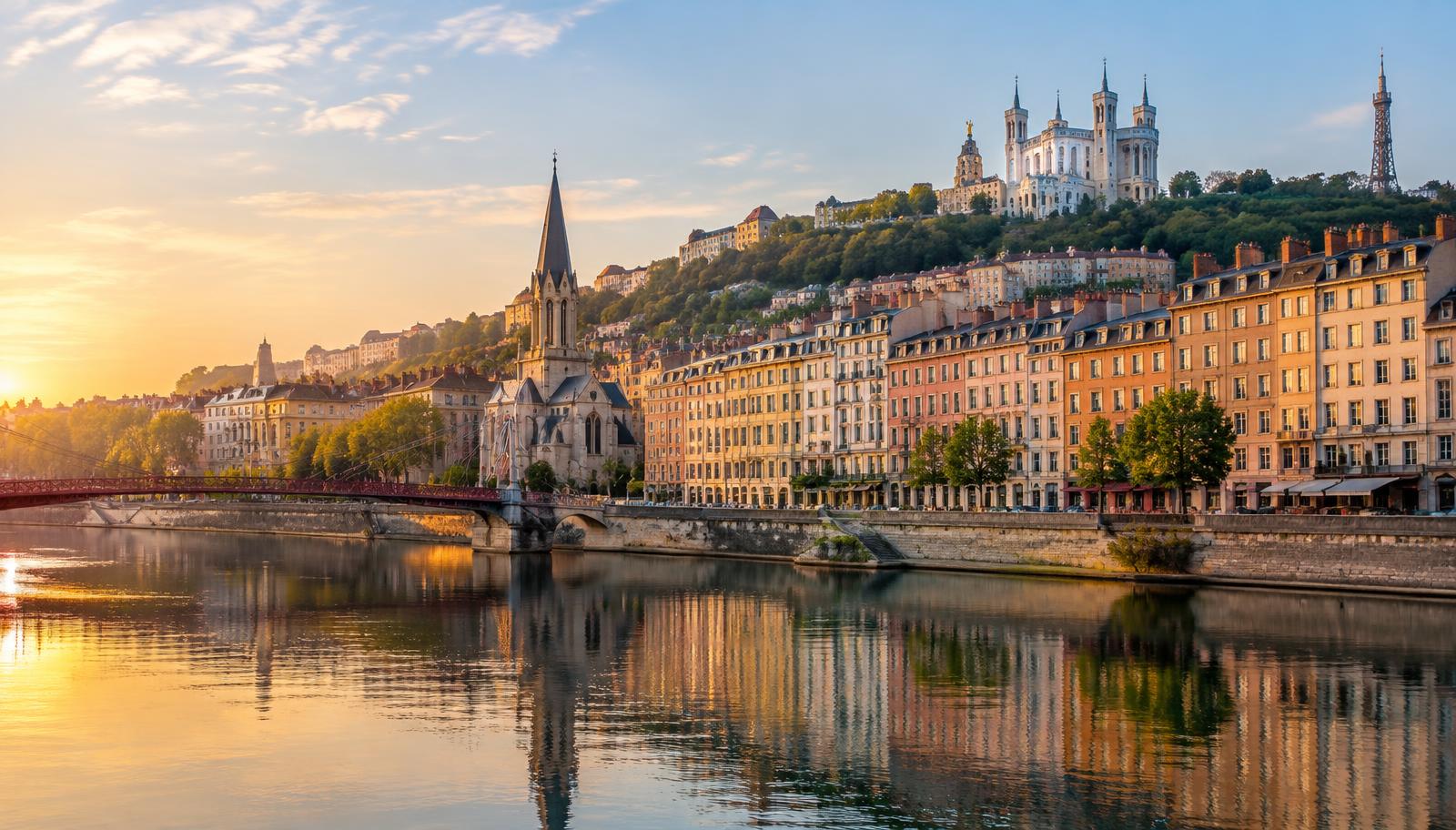
Lyon at a Slower Pace: Rivers, Markets and Long Lunches
A slow guide to Lyon: where to stay, a relaxed three-day rhythm, bouchons, markets, river walks and easy escapes to Beaujolais.
· 8 min read
Travel
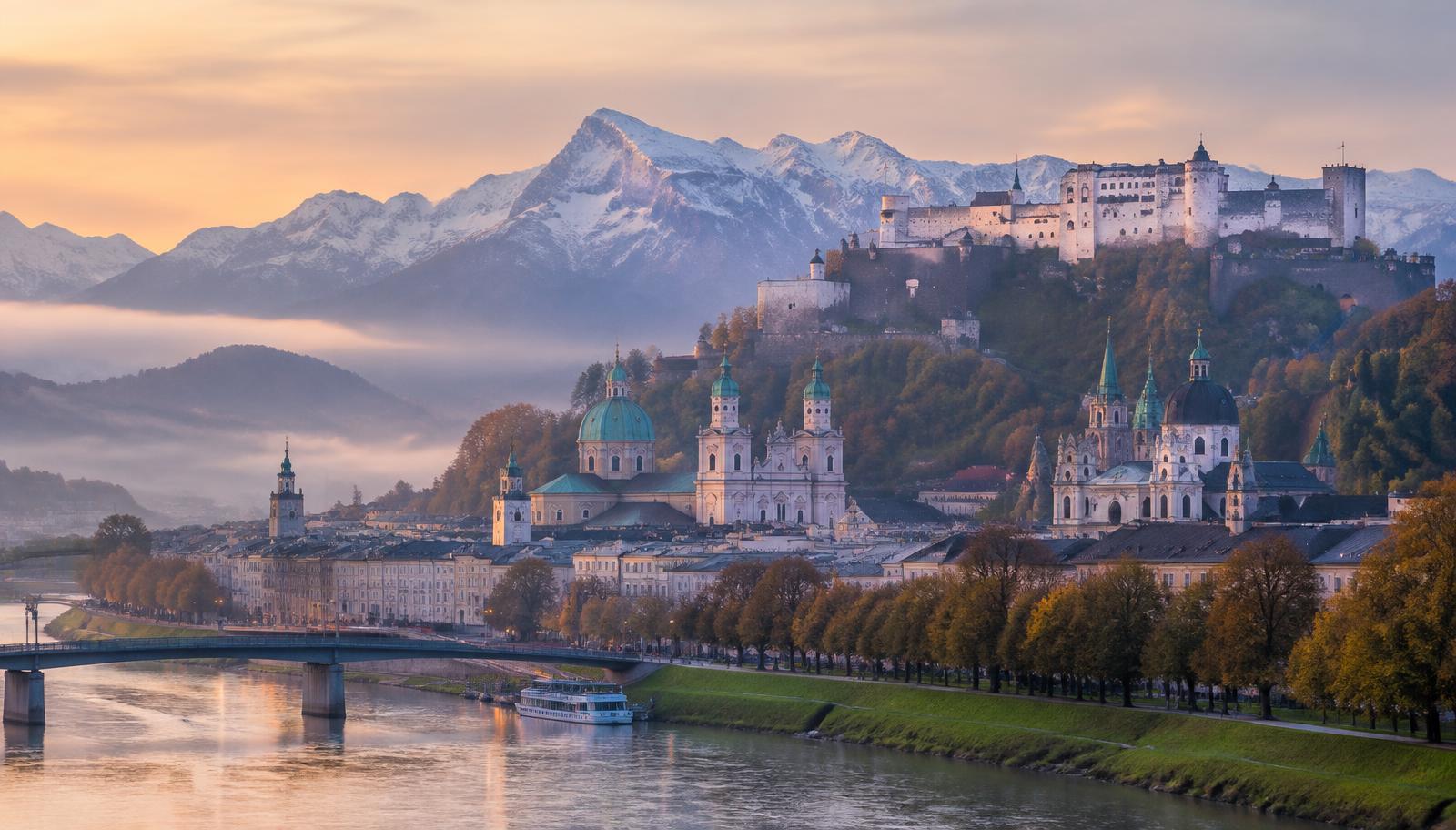
Salzburg at a Slower Pace: Baroque Squares, Hill Walks and Alpine Lakes
A slow guide to Salzburg: where to stay, a calm three-day rhythm, coffee-house culture, hilltop walks and gentle lake-district escapes.
· 7 min read
Travel
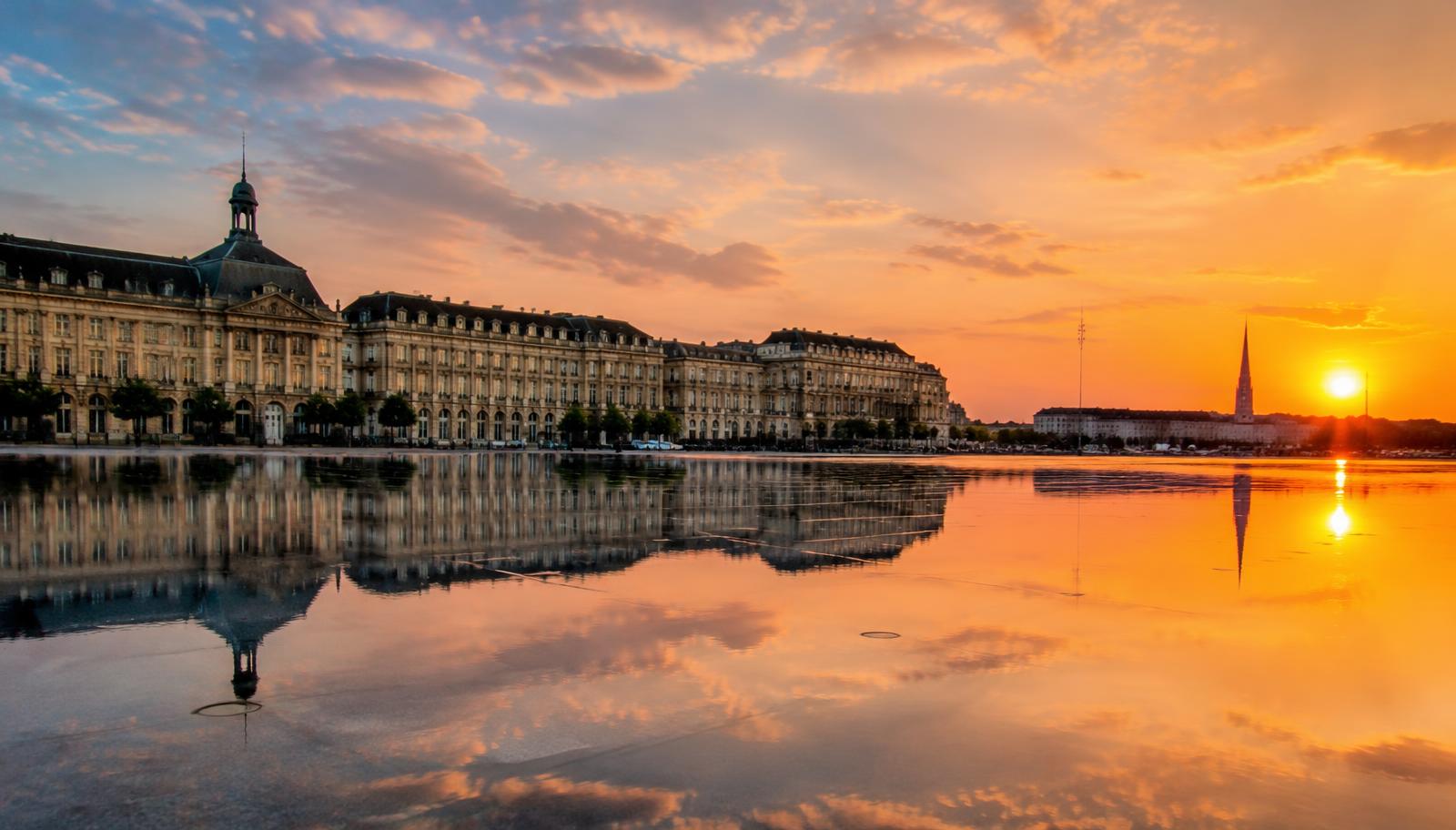
Bordeaux at a Slower Pace: Stone Streets, River Evenings and Wine Country
A slow guide to Bordeaux: where to stay, a relaxed three-day rhythm, markets, wine bars and easy trips to Saint-Émilion and the Atlantic coast.
· 7 min read