Vienna at an Unhurried Pace: A Slow Travel Guide
· 7 min read
Disclosure: Some links are affiliate links; we may earn a commission at no extra cost to you.
Finding Vienna’s slower rhythm
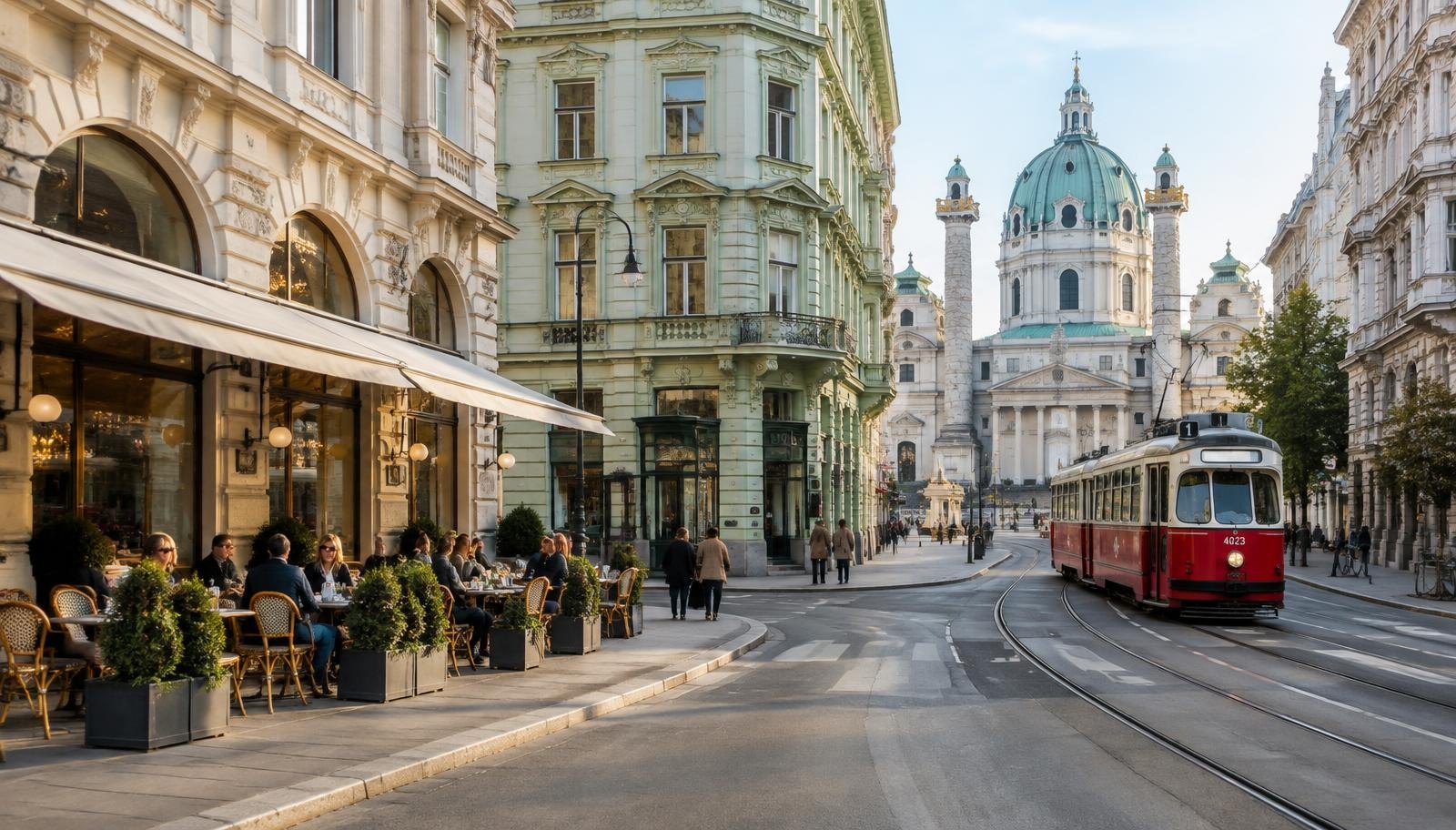
Vienna rewards attention more than speed. Beyond its imperial façades are shaded courtyards, neighborhood markets, public gardens, and coffeehouses where sitting down is part of the experience. A satisfying visit does not require collecting every palace and museum. Choose a few places that genuinely interest you, then leave room for the streets between them.
The historic center offers an accessible introduction, but it is only one expression of the city. Residential districts reveal a quieter Vienna of bakeries, small parks, and everyday errands. Alternating these settings helps prevent grand architecture from becoming a blur.
Think in half-days rather than tightly timed appointments. Give one morning to a museum, one afternoon to a garden, and another stretch simply to walking. Vienna’s public transport makes it easy to return to your accommodation for a rest without treating that pause as lost time.
Choosing a comfortable neighborhood base
The Innere Stadt, Vienna’s first district, places many major sights within walking distance. It suits travelers who value proximity and atmospheric evening strolls. Central streets can be busy, however, so consider whether a room faces a lively thoroughfare or an interior courtyard. Being central does not automatically mean being quiet.
Leopoldstadt, across the Danube Canal from the center, offers a different balance. Parts of the district provide convenient access to the Prater and its broad green spaces, while areas near the canal work well for walking into the old town. Check the particular location rather than assuming the entire district feels the same.
Neubau appeals to travelers interested in independent shops, cultural spaces, and streets around the MuseumsQuartier. Josefstadt has a more residential character close to the Ringstrasse. Wieden can be useful for exploring Karlsplatz and the Belvedere area.
Prioritize a nearby tram or U-Bahn stop, comfortable sleeping conditions, and a route home that feels manageable after dinner. In warm weather, check ventilation or cooling arrangements; in older buildings, confirm elevator access if stairs would be difficult.
Walking and using public transport
Vienna is well suited to combining short walks with longer journeys by U-Bahn, tram, and bus. Walking works particularly well within the historic center and between neighboring districts. The Ringstrasse provides a useful geographic reference, circling the old center past major civic and cultural buildings.
Resist turning the whole ring into an obligatory march. Walk a section, stop in a park, then use a tram when your attention or energy begins to fade. Around busy junctions, follow pedestrian signals and watch for cycle lanes before stepping off the pavement.
Before traveling, check current ticket rules through the city’s transport operator. Some tickets require validation, while others are valid from a selected time. Keep your ticket available for inspection, and confirm whether your chosen product covers every journey you plan to make. Airport travel can involve coverage beyond ordinary city tickets.
Comfortable shoes matter even on relatively level streets. Older paving, station stairs, and long museum corridors add up. Travelers with mobility needs should check individual station and attraction accessibility rather than relying on a general impression of Vienna as an easy city to navigate.
Giving the major sights enough time
Start with the streets around St. Stephen’s Cathedral, allowing time to notice passages and quieter squares beyond the main shopping routes. The cathedral is an active religious building, so sightseeing should adapt to services, designated visitor areas, and requests for respectful behavior.
The Hofburg is better understood as a complex than a single stop. Its courtyards, squares, and separate institutions can occupy very different amounts of time. Choose the collection or subject that interests you instead of trying to enter everything associated with the former imperial residence.
For art, the Kunsthistorisches Museum or the Belvedere can each anchor a half-day. Select one major museum initially, then decide whether another would deepen the trip or simply repeat its pace. Sitting with a handful of works can be more rewarding than rushing through every room.
Schönbrunn deserves a separate outing. Palace interiors and grounds offer distinct experiences, and even a garden-focused visit involves substantial walking. Some areas and attractions have separate access arrangements. Allow for the journey, check current entry requirements, and avoid attaching another demanding sightseeing block afterward. A quiet return through a neighborhood park may be enough.
Coffeehouses, markets, and everyday meals
Vienna’s coffeehouse culture invites a slower approach to refreshment. Coffee may accompany conversation, reading, or a slice of cake rather than functioning only as fuel between sights. Establishments differ in atmosphere and service style, so let the setting guide expectations instead of assuming every café follows identical customs.
Traditional Viennese cooking includes Wiener schnitzel, Tafelspitz, soups, dumplings, and pastries. Classic Wiener schnitzel is made with veal; menus may also offer versions using other meats. Apple strudel and other baked sweets fit naturally into an afternoon pause, but there is no need to build every day around rich meals.
Markets offer another view of the city’s food culture. The Naschmarkt combines food shopping and dining, though its central location also attracts visitors. Neighborhood markets can provide a more everyday setting. Observe before buying, avoid blocking stalls, and ask before photographing vendors or produce displays closely.
Vegetarian and vegan choices are available across the city, but traditional dishes may contain meat stock or animal fats. Explain dietary requirements clearly rather than relying on a dish’s name.
A detailed three-day slow itinerary
Day one: the historic center and a coffeehouse pause
Begin around St. Stephen’s Cathedral before moving through nearby lanes at an easy pace. Choose a few streets rather than following an exhaustive walking route. If entering the cathedral, check the arrangements for the areas you want to see and leave time to sit quietly afterward.
Continue toward the Hofburg, treating its courtyards and surrounding squares as the main experience unless a particular collection strongly appeals. Have lunch before fatigue determines the choice. Afterward, settle into a coffeehouse for a proper break rather than ordering while planning the next attraction.
Spend the later afternoon in the Volksgarten or Burggarten, adapting to weather and seasonal conditions. Finish with dinner near your accommodation. Keeping the first evening local makes it easier to understand your neighborhood and recover from arrival travel.
Day two: one art collection and a neighborhood afternoon
Dedicate the morning to the Kunsthistorisches Museum. Identify a few sections you want to explore, and allow yourself to skip others. Use seats when available and step away from the galleries before concentration disappears.
After lunch, walk toward the MuseumsQuartier and continue into Neubau. This afternoon needs no major admission: browse streets, pause in a courtyard where public access is permitted, and spend time in shops only if they interest you.
Return to your room for a rest before dinner. If music is a priority, reserve an appropriate performance in advance and build the evening around it. Otherwise, a short neighborhood walk is a complete evening plan, not a lesser alternative.
Day three: Schönbrunn with breathing room
Travel to Schönbrunn in the morning. If palace interiors matter to you, check booking arrangements and choose an entry time that leaves a comfortable travel margin. If gardens are the priority, plan a route suited to your energy and the weather.
The grounds are extensive, and the climb toward the Gloriette adds effort. There is no requirement to reach every viewpoint. Take breaks, carry water, and allow lunch to happen without another appointment pressing behind it.
Keep the afternoon flexible. Return for a rest, or choose a gentle walk in the Prater rather than another major museum. End with a meal in your base neighborhood and a little time to prepare for departure.
Practical care for a calmer stay
Vienna changes with the seasons. Summer can be hot, making shade and indoor breaks valuable. Winter brings shorter daylight and conditions that may make outdoor sitting less appealing. Layers and a rainproof outer garment are useful across much of the year; check the forecast shortly before setting out.
Tap water is generally safe to drink. Carry a refillable bottle and use designated drinking fountains where available. In parks and residential areas, follow posted rules, dispose of litter properly, and keep noise considerate.
Secure valuables on crowded transport and in busy sightseeing areas. Keep a separate record of essential documents, and know how to contact your accommodation. The European emergency number is 112.
Check current opening arrangements before crossing the city for a specific institution, particularly around holidays. Some shops close on Sundays, so plan essential purchases ahead. A few basic German greetings are welcome, while asking politely about language preferences keeps everyday interactions comfortable.
Leaving space for Vienna itself
The most useful slow-travel decision in Vienna is often what to leave out. Another palace room or museum floor may add less than a quiet bench, an unhurried lunch, or a familiar walk home.
Build the visit around a comfortable base, reliable transport, and a small number of meaningful cultural experiences. Let the city’s grandeur share time with its ordinary routines. Three days will not encompass Vienna, but they can establish a thoughtful rhythm and leave a clear sense of what you would like to explore next.
Where to stay
Browse places to stay around Vienna, Austria. Prices change, so compare the live rate with the real price and dates shown above. Bookings made through these links may earn us a commission.
Related posts
Travel
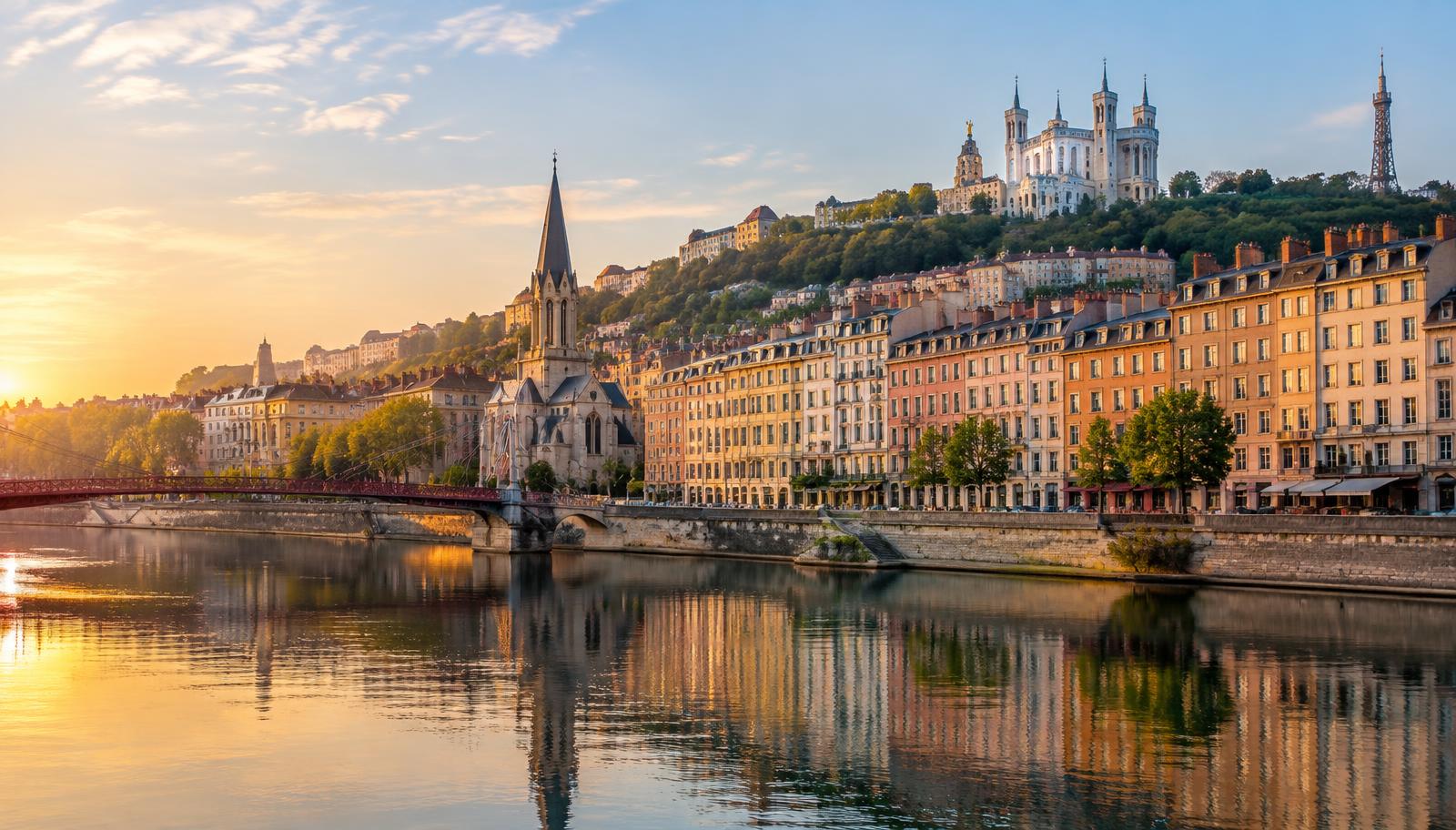
Lyon at a Slower Pace: Rivers, Markets and Long Lunches
A slow guide to Lyon: where to stay, a relaxed three-day rhythm, bouchons, markets, river walks and easy escapes to Beaujolais.
· 8 min read
Travel
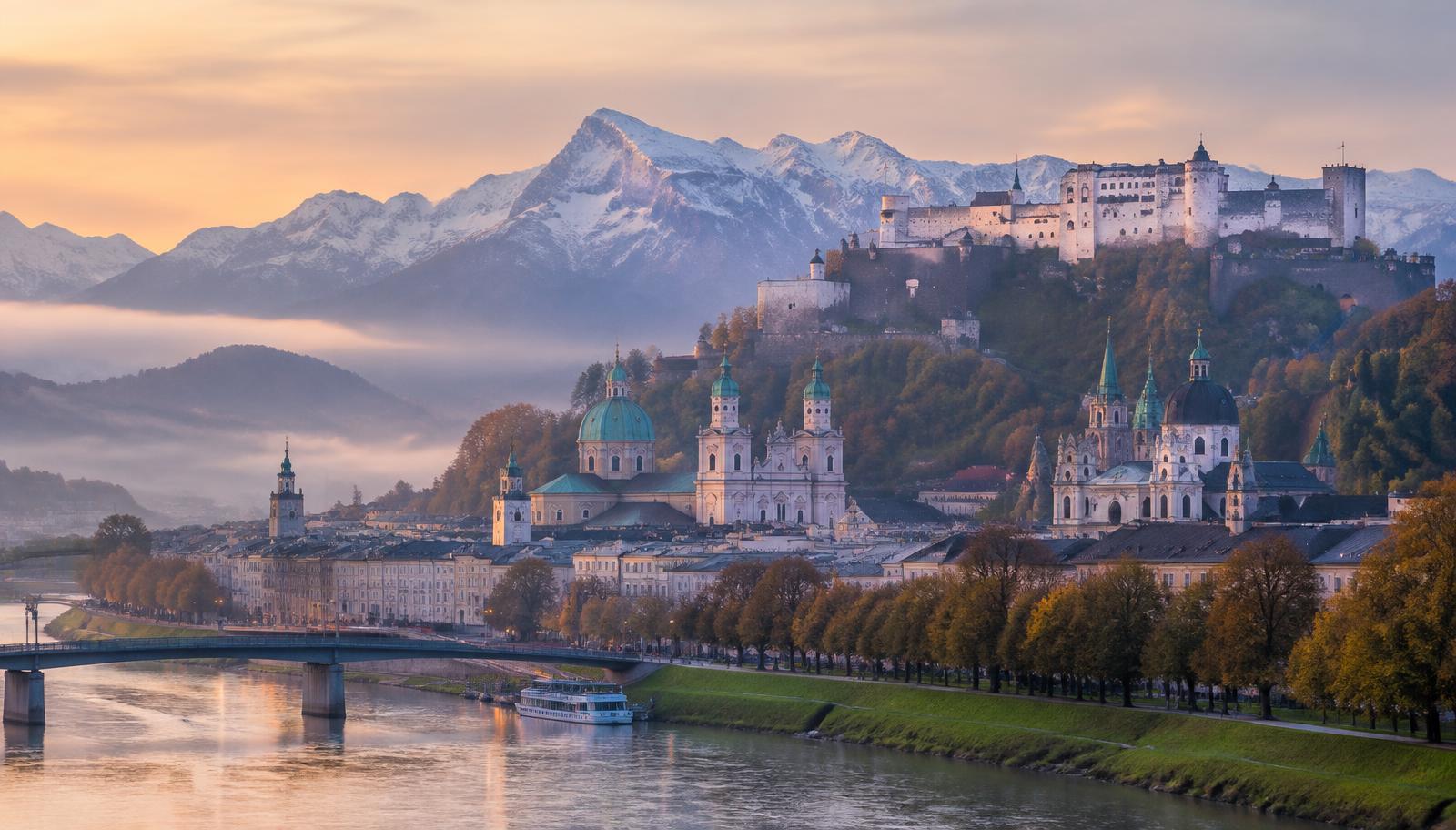
Salzburg at a Slower Pace: Baroque Squares, Hill Walks and Alpine Lakes
A slow guide to Salzburg: where to stay, a calm three-day rhythm, coffee-house culture, hilltop walks and gentle lake-district escapes.
· 7 min read
Travel
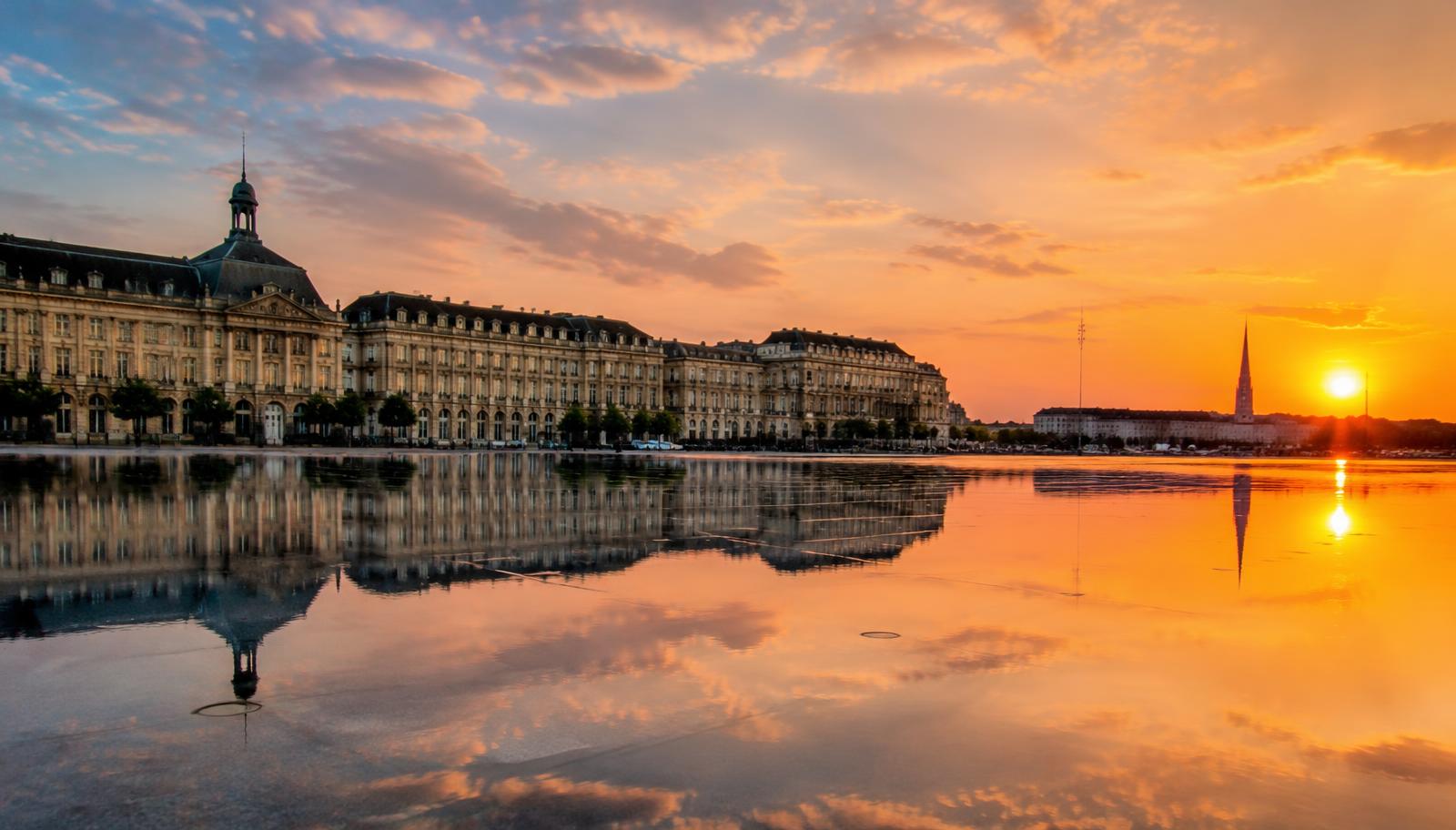
Bordeaux at a Slower Pace: Stone Streets, River Evenings and Wine Country
A slow guide to Bordeaux: where to stay, a relaxed three-day rhythm, markets, wine bars and easy trips to Saint-Émilion and the Atlantic coast.
· 7 min read