Bruges at a Slower Pace: Quiet Canals and Early Mornings
· 7 min read
Disclosure: Some links are affiliate links; we may earn a commission at no extra cost to you.
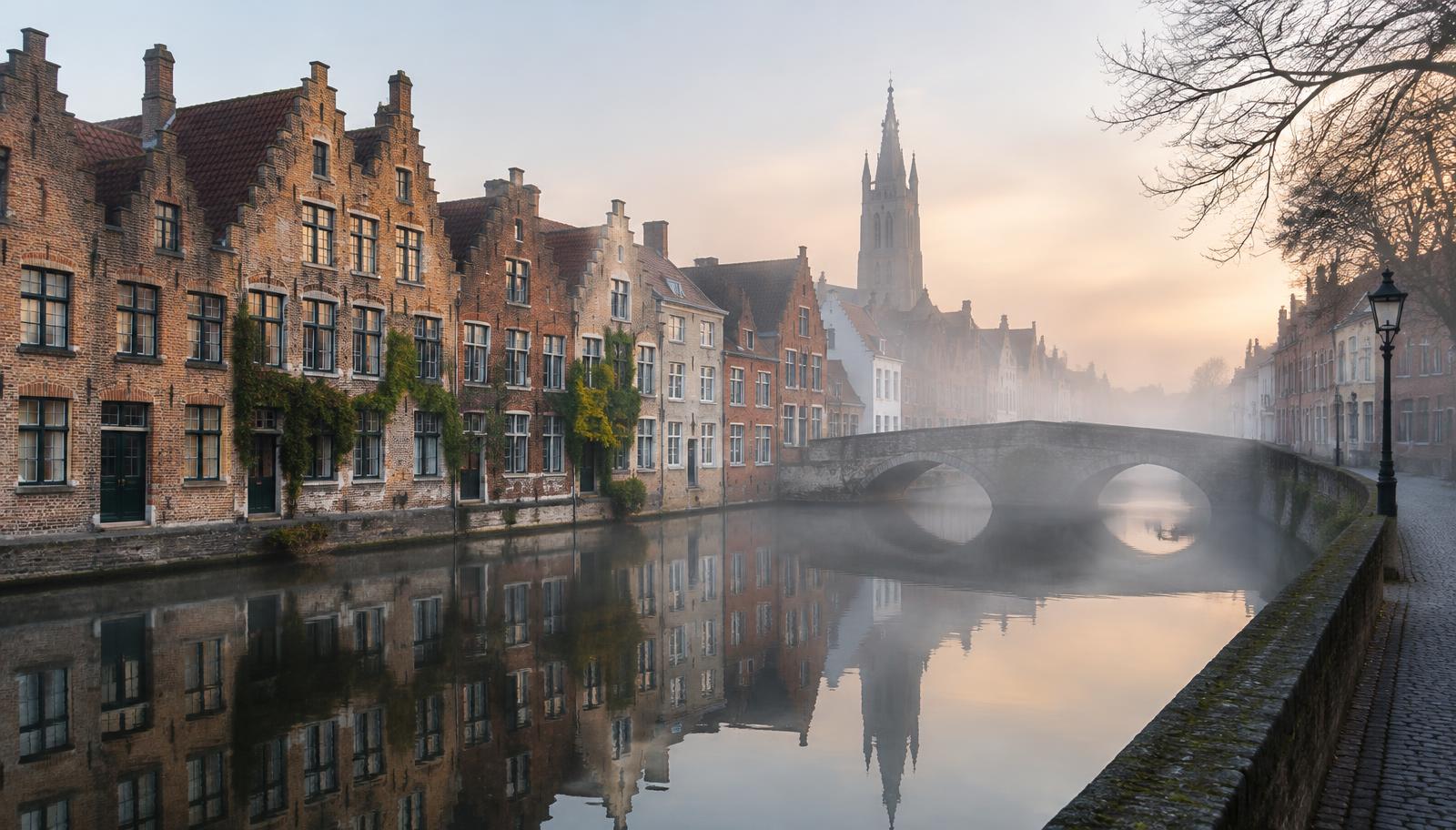
Bruges is often described as a fairy-tale city, and in the middle of a summer afternoon, with tour groups filling the squares, it can feel like a stage set. But stay overnight, wake early, and Bruges becomes something else entirely: a quiet medieval town of brick gables and still canals, where swans drift under stone bridges, church bells mark the hours and the only sound on many streets is your own footsteps. Most visitors arrive on a day trip and leave before dinner. Slow travellers who stay a few nights get the best of the city almost to themselves.
This guide is for people who want to experience Bruges at its own pace. It covers where to stay, how to get there and around, a relaxed three-day rhythm, what to eat and drink, and some easy trips beyond the city. We have left out prices and opening times that change frequently, so check those directly when you plan.
Where to stay in Bruges
The single best decision you can make in Bruges is to sleep inside the old city. The centre is ringed by a canal that follows the line of the medieval walls, and everything within it is walkable. Staying here means you can step out at dawn, before the day visitors arrive, and return in the evening when the streets empty and the lamps come on.
The streets around the main squares are convenient but busier. For a calmer stay, look to the quieter residential lanes to the east and north of the centre, where canals are lined with small houses and gardens, and where you are still only ten or fifteen minutes on foot from everything. Small family-run guesthouses are a Bruges speciality, and apartments with a kitchen suit longer stays.
Compare places to stay with our booking partners:
- Agoda
- Booking.com
- Hotels.com
- Vrbo — apartments for longer stays
Getting there and getting around
Bruges is easy to reach by train from Brussels, and trains also connect it with Ghent and the Belgian coast. Many travellers combine it with the Netherlands — our Amsterdam guide covers another canal city that rewards a slow approach — or continue north towards Scandinavia, where our Copenhagen guide picks up the story.
From the station, the centre is a pleasant walk through a park, or a short bus ride. Once you are inside the old town, walking is by far the best way to get around. Bicycles are popular and the city is flat, so hiring a bike for a day is a lovely way to follow the outer canal or ride into the countryside. Cobblestones are everywhere, so bring comfortable shoes.
Day one: the quiet hours
Set an alarm, at least once. Bruges before eight in the morning is one of the great slow-travel experiences in Europe. Walk to the main market square while the cafés are still stacking their chairs, then follow the canals as the mist lifts off the water. The famous viewpoints — the bridges, the reflections, the leaning gables — are almost empty at this hour, and the light is soft and golden.
After breakfast, visit the medieval belfry that rises over the market square. Climbing its narrow stairs is a gentle challenge, and the view across the red rooftops to the flat Flemish countryside explains the shape of the city. Visitor numbers on the tower are limited, so going early helps.
Spend the afternoon on a canal boat trip. It is popular for good reason: seeing the city from water level shows you hidden gardens, tiny bridges and house fronts you would never notice from the street. Afterwards, find a quiet bench by the water and simply sit. Bruges rewards stillness more than almost any city we know.
Day two: art, lace and the béguinage
Bruges was one of the richest trading cities in medieval Europe, and its painters were among the finest of their age. Spend a slow morning in one of the city's art collections, where Flemish masterpieces are displayed in calm, well-lit rooms. Choose one museum rather than several, and give the paintings time: the detail in a single panel can hold your attention for half an hour.
Walk next to the béguinage, a walled enclosure of white houses around a green lawn of tall trees, founded centuries ago as a community for religious women. It is still a place of quiet, and visitors are asked to keep their voices low. In spring, the lawn fills with daffodils. Nearby, the lake known as the Minnewater, with its swans and willows, is one of the most peaceful corners of the city.
In the afternoon, look for a lace shop where you can watch work being done by hand, or take a short guided walk with a local who can explain the stories behind the façades. Tours, tastings and boat trips can be browsed on GetYourGuide.
Day three: windmills and the outer canal
Hire a bicycle or walk along the eastern edge of the old city, where a grassy embankment carries a row of historic windmills above the canal. It is a breezy, open contrast to the tight lanes of the centre, and on a sunny day it is the perfect place for a picnic.
From here, a slow afternoon could take you by bike along the tree-lined canal path towards the nearby village of Damme, a small, quiet place surrounded by fields. The route is flat and peaceful, passing farmland and cows rather than traffic. If you would rather stay in town, spend the afternoon in the small neighbourhood churches, independent shops and cafés away from the main squares.
What to eat and drink
Belgian food is hearty and comforting, and Bruges is a good place to enjoy it slowly. Look for:
- Flemish beef stew cooked in dark beer, often served with fries.
- Mussels in season, steamed with white wine or herbs.
- Waffles — try one from a small bakery rather than the busiest stand.
- Chocolate from independent chocolatiers, where you can buy a few pieces at a time.
- Belgian beer, served in its own glass, ideally in a small bar where staff can recommend something local.
A few slow-dining habits help:
- Eat a little away from the main square. Restaurants a few streets back are usually calmer and more local.
- Book dinner on weekends, when the city fills with visitors.
- Treat beer like wine. Many Belgian beers are strong and complex, so sip one slowly with food.
We do not list prices because they change and vary widely between the centre and quieter streets. As a rule, lunch menus are often better value than dinner.
Easy trips from Bruges
Ghent, a short train ride away, is a lively university city with its own canals, a grand cathedral and fewer day-trippers. It is ideal for a full day, or even a couple of nights. The Belgian coast is also close, with long sandy beaches and seaside promenades that are pleasant even out of season. Brussels makes a busier contrast, with its grand square and museums.
When to go
Spring brings flowers to the béguinage and mild weather for cycling. Summer is the busiest season, but staying overnight lets you enjoy the early mornings and long evenings without the crowds. Autumn is quiet and beautifully misty, and the December weeks bring a festive market to the main square. Winter is cold and damp but very atmospheric, with candlelit cafés and empty canals.
A few slow-travel habits for Bruges
- Stay at least two nights. The day-trip version of Bruges and the overnight version feel like different places.
- Go out early and late. The quietest hours are the most magical.
- Look for the small canals. Some of the most beautiful corners are just one street away from the famous viewpoints.
- Rent a bicycle for a day. The countryside begins only minutes from the city gates.
- Sit still. A bench by the water is the best seat in town.
Final thoughts
Bruges is the kind of place that reveals itself only when you stop trying to see it all. Watch the mist rise from the canals, listen to the bells from the belfry, eat a slow lunch and cycle out past the windmills, and you will understand why people who stay the night fall in love with it.
If you are continuing your journey, our Amsterdam guide and Copenhagen guide carry on the canal-city theme. And when you are home again, our Slow Living Between Trips article helps you keep the same gentle rhythm in everyday life.
Where to stay
Browse places to stay around Bruges, Belgium. Prices change, so compare the live rate with the real price and dates shown above. Bookings made through these links may earn us a commission.
Related posts
Travel
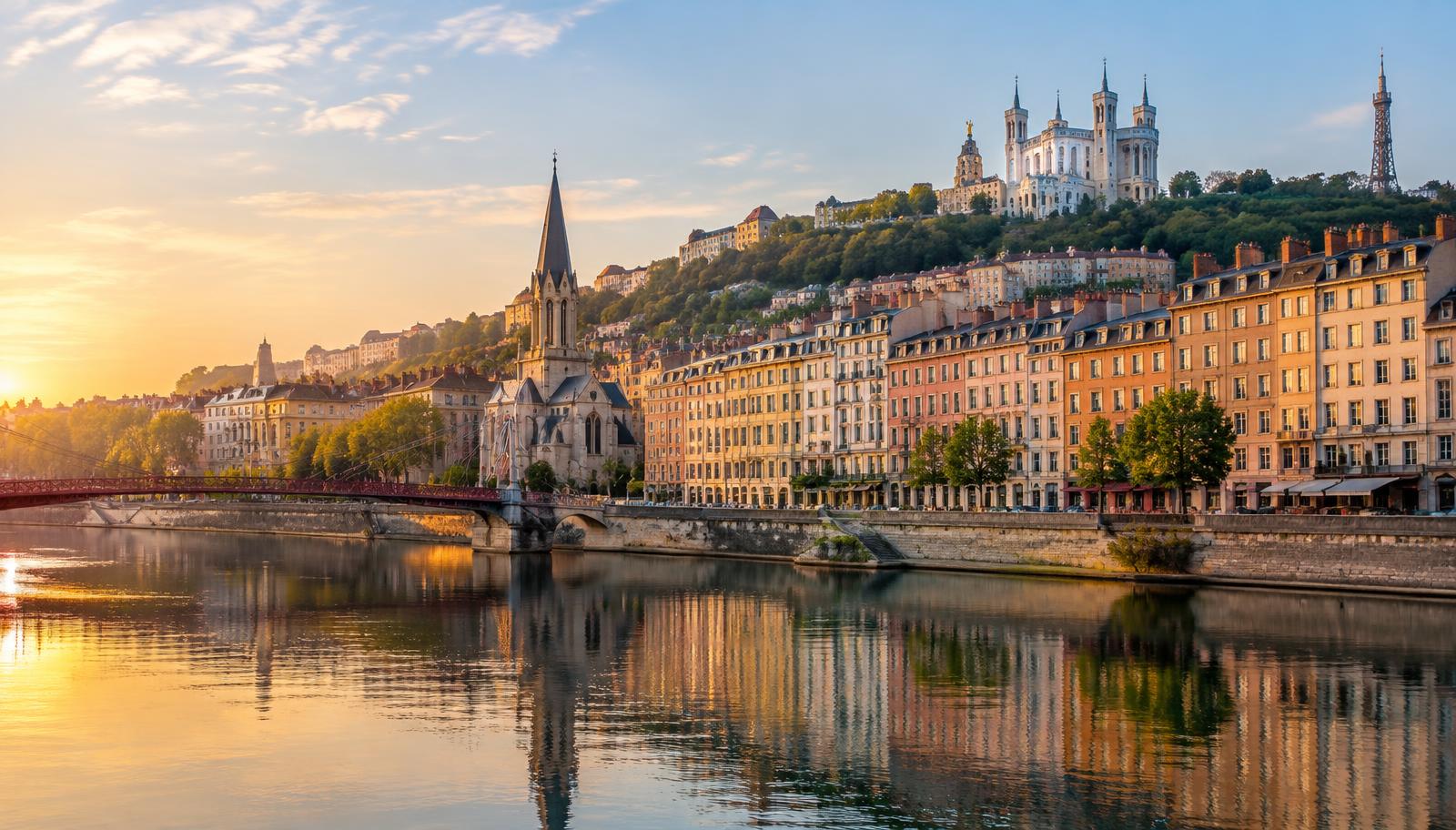
Lyon at a Slower Pace: Rivers, Markets and Long Lunches
A slow guide to Lyon: where to stay, a relaxed three-day rhythm, bouchons, markets, river walks and easy escapes to Beaujolais.
· 8 min read
Travel
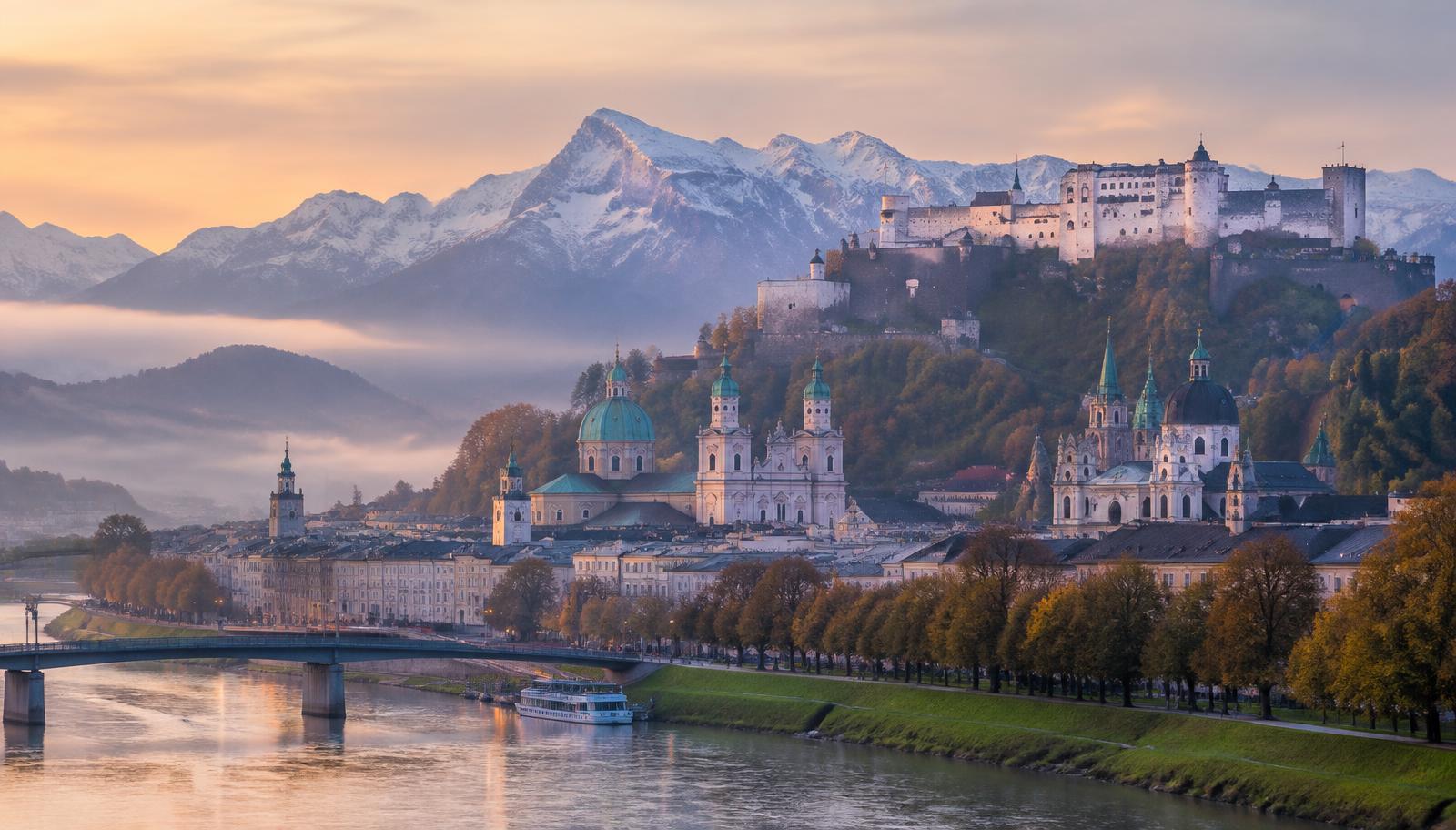
Salzburg at a Slower Pace: Baroque Squares, Hill Walks and Alpine Lakes
A slow guide to Salzburg: where to stay, a calm three-day rhythm, coffee-house culture, hilltop walks and gentle lake-district escapes.
· 7 min read
Travel
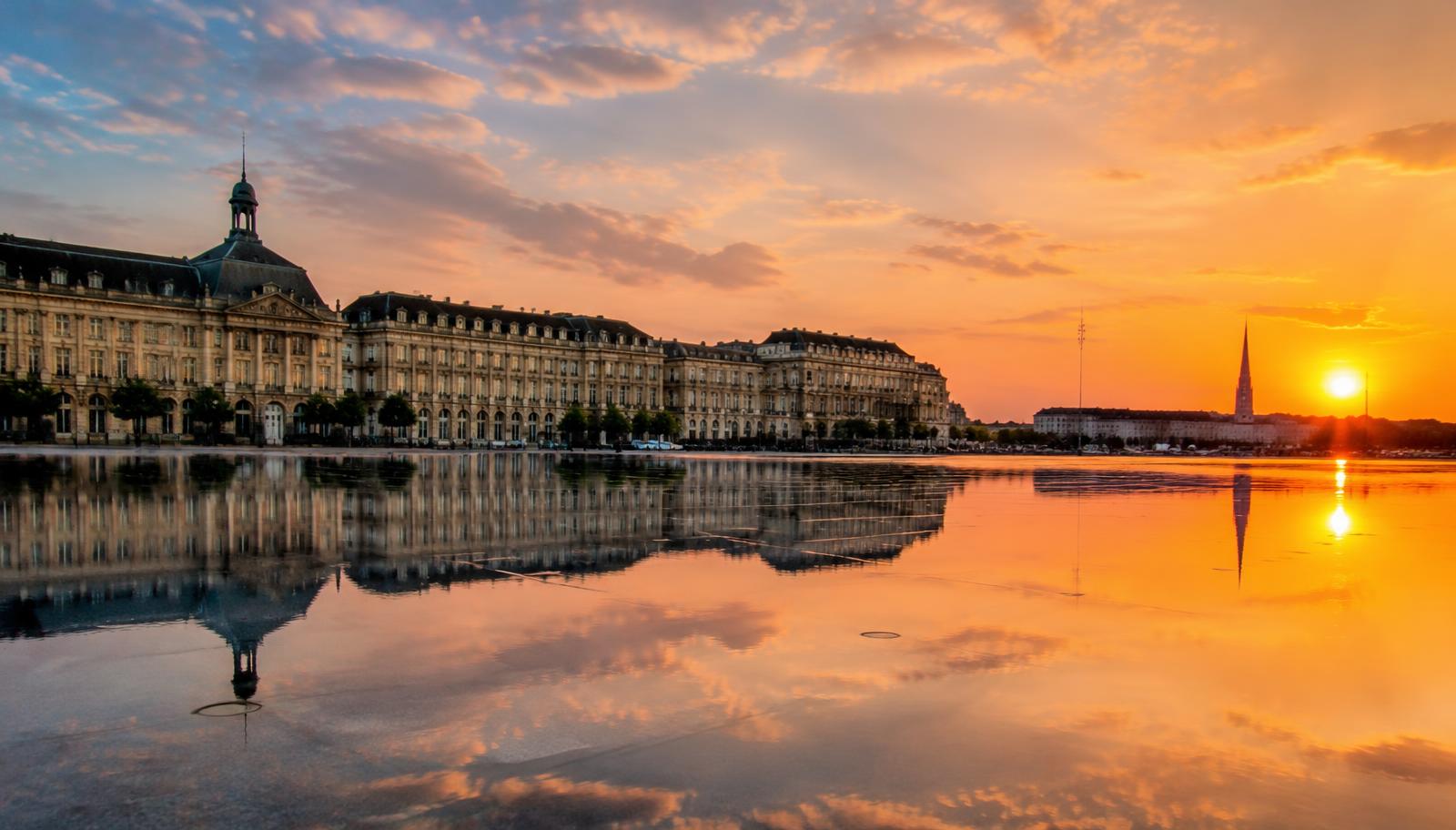
Bordeaux at a Slower Pace: Stone Streets, River Evenings and Wine Country
A slow guide to Bordeaux: where to stay, a relaxed three-day rhythm, markets, wine bars and easy trips to Saint-Émilion and the Atlantic coast.
· 7 min read