Ljubljana at a Slower Pace: Riverside Cafés, Bridges and Green Hills
· 6 min read
Disclosure: Some links are affiliate links; we may earn a commission at no extra cost to you.
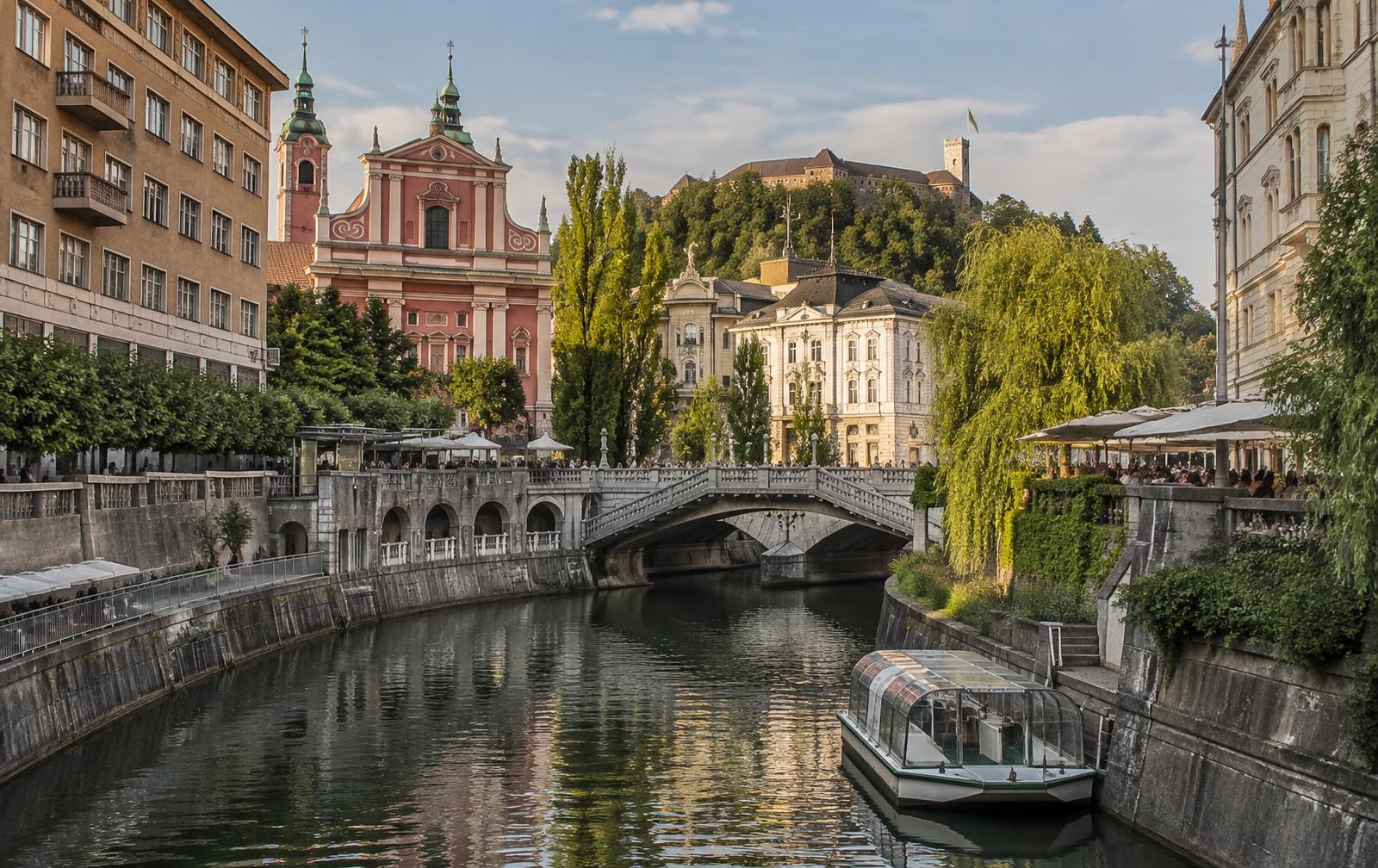
Ljubljana is a capital city that moves at the speed of a riverside conversation. The Ljubljanica curves through the old town under willow trees, café terraces line both banks, and the castle watches from its green hill. Cars have largely given way to walkers and bicycles in the centre, which makes it one of the easiest places in Europe to slow down. A checklist visit can see the highlights in an afternoon. A slower visit stays long enough to learn the rhythm: a market morning, a long lunch by the water, an evening walk across the bridges.
This researched guide suggests three relaxed days. It does not claim a personal visit, recommend a hotel we have tested or invent current prices. Use the official links for background and transport information, and the booking partners to compare your own dates. Your energy, access needs and interests matter more than completing every suggestion here.
Find a base that suits your daily rhythm
The old town along the river puts the Triple Bridge, Prešeren Square, the market and the funicular to the castle a short walk apart. It is the most convenient base for a slow trip, but riverside terraces can stay busy into the evening, especially in summer. Read recent reviews for noise, check whether a room overlooks the street or a courtyard, and confirm lift access if stairs matter.
The streets just beyond the centre, towards Tivoli Park, are calmer and more residential, with an easy walk along the river into the old town. They can suit visitors who want quiet evenings and a neighbourhood bakery more than a view of the main square.
Because the centre is largely pedestrianised, check how you will arrive with luggage and where a taxi or car can actually stop. Compare the full room price, cancellation rules, tourist tax and breakfast. The hotel links at the end are general affiliate links: enter Ljubljana and your own dates before choosing. They are not claims that we stayed at a particular property, nor guarantees that one provider will always be cheapest.
Day one: the river and the bridges
Begin with a slow walk along the Ljubljanica. The riverbanks were shaped largely by the architect Jože Plečnik, whose bridges, colonnades and embankments give the city much of its character. Start at Prešeren Square with its pink Franciscan church, cross the Triple Bridge, then follow the river past the Dragon Bridge and back again on the other bank.
Pause often. The pleasure here is in the small things: a bench under a willow, a coffee on a terrace, a view of the castle reflected in the water. The official Ljubljana tourism website is a useful starting point for current events, opening hours and walking routes, and it can help you decide what to save for later in the trip.
In the late afternoon, take the funicular or the footpath up to Ljubljana Castle. The walk through the woods is steep in places but shaded and quiet. Check current opening times and ticket arrangements for the castle interior and viewing tower before you go. Stay for the sunset if the weather allows, then walk down slowly into the old town for dinner.
Day two: market morning and Tivoli Park
Give the second morning to the Central Market, which sits beside the river between the cathedral and Plečnik's colonnade. It is a working market, so buy what you will actually eat, check displayed prices and be considerate of people doing their weekly shopping. Fruit, cheese, honey and bread make an easy picnic for later.
On Fridays in the warmer months, the square nearby often hosts an open-air food market with stalls from local kitchens; check current dates before planning around it. Even without it, a market morning gives a good feel for how Ljubljana lives.
Spend the afternoon in Tivoli Park, the city's largest green space, a short walk from the centre. Its tree-lined paths, ponds and open-air photography exhibitions on the Jakopič Promenade suit an unhurried stroll. Bring your picnic, sit on the grass and let the day stay light. If you still have energy, the walk back through the Museum Quarter passes some of the city's main cultural institutions.
Day three: a slow look beyond the centre
Ljubljana is small, which makes it a natural base for one carefully chosen day trip. Lake Bled is the most famous option, with its island church and lakeside path; Lake Bohinj is wilder and often quieter. Either deserves a full day at a gentle pace rather than a rushed photo stop. Check current transport options and timetables before you go, and set off early in high season.
If you would rather stay in the city, explore the Metelkova cultural quarter for street art and independent galleries, take a slow walk through a quiet residential neighbourhood, or follow part of the Path of Remembrance and Comradeship, a long green walking and cycling loop around the city. Choose one, not all three, and leave room for a long lunch.
End the trip with a ritual: a last ice cream by the river, a last glass of Slovenian wine on a terrace, a last walk over the Triple Bridge as the lights come on.
Give food room to be enjoyable
Slovenian food draws on Alpine, Mediterranean and Central European traditions. Look for štruklji, rolled dumplings with sweet or savoury fillings; jota, a hearty bean and sauerkraut stew; and kranjska klobasa, a protected local sausage. Many restaurants offer a set lunch on weekdays, which can be a relaxed way to eat well in the middle of the day.
Slovenian wines and local craft beers are worth tasting slowly. Bakeries and pastry shops are good for breakfast; potica, a rolled nut cake, is a traditional treat. Ask about ingredients directly if you have allergies or dietary needs, since recipes vary.
We have not supplied supposedly current meal costs because no receipts or tested restaurant details were provided. Check displayed prices and any cover charges before ordering, and keep a note of what you actually pay if you want a useful record for a future visit.
Make practical choices before adding excursions
The old town is compact and mostly flat along the river, with a steeper climb to the castle. Bicycles are a popular way to get around, and the city's bike-share scheme and local buses can help with longer distances. Check routes, ticket prices and how payment works before your first ride.
Weather can change quickly, particularly in spring and autumn, so bring a light rain layer. Keep belongings secure in busy areas, check accessibility arrangements for the castle, museums and tours that matter to you, and ask before photographing people. Day trips should replace time in the city rather than add pressure to an already full day.
Book thoughtfully and keep exploring
Compare hotels through Agoda, Booking.com and Hotels.com, or browse apartments on Vrbo. Find optional guided activities through GetYourGuide. These affiliate links may earn us a commission. Check dates, location, cancellation terms and the final price before paying; no link guarantees the best deal.
Ljubljana pairs well with other unhurried cities nearby. Read our Vienna guide and our Venice guide for more ideas, and Slow Living Between Trips for bringing the pace home. Ljubljana is not a city to rush through on the way somewhere else. Give it a few days, and it rewards you with green hills, a calm river and the feeling that there is always time for one more coffee.
Where to stay
Browse places to stay around Ljubljana, Slovenia. Prices change, so compare the live rate with the real price and dates shown above. Bookings made through these links may earn us a commission.
Related posts
Travel
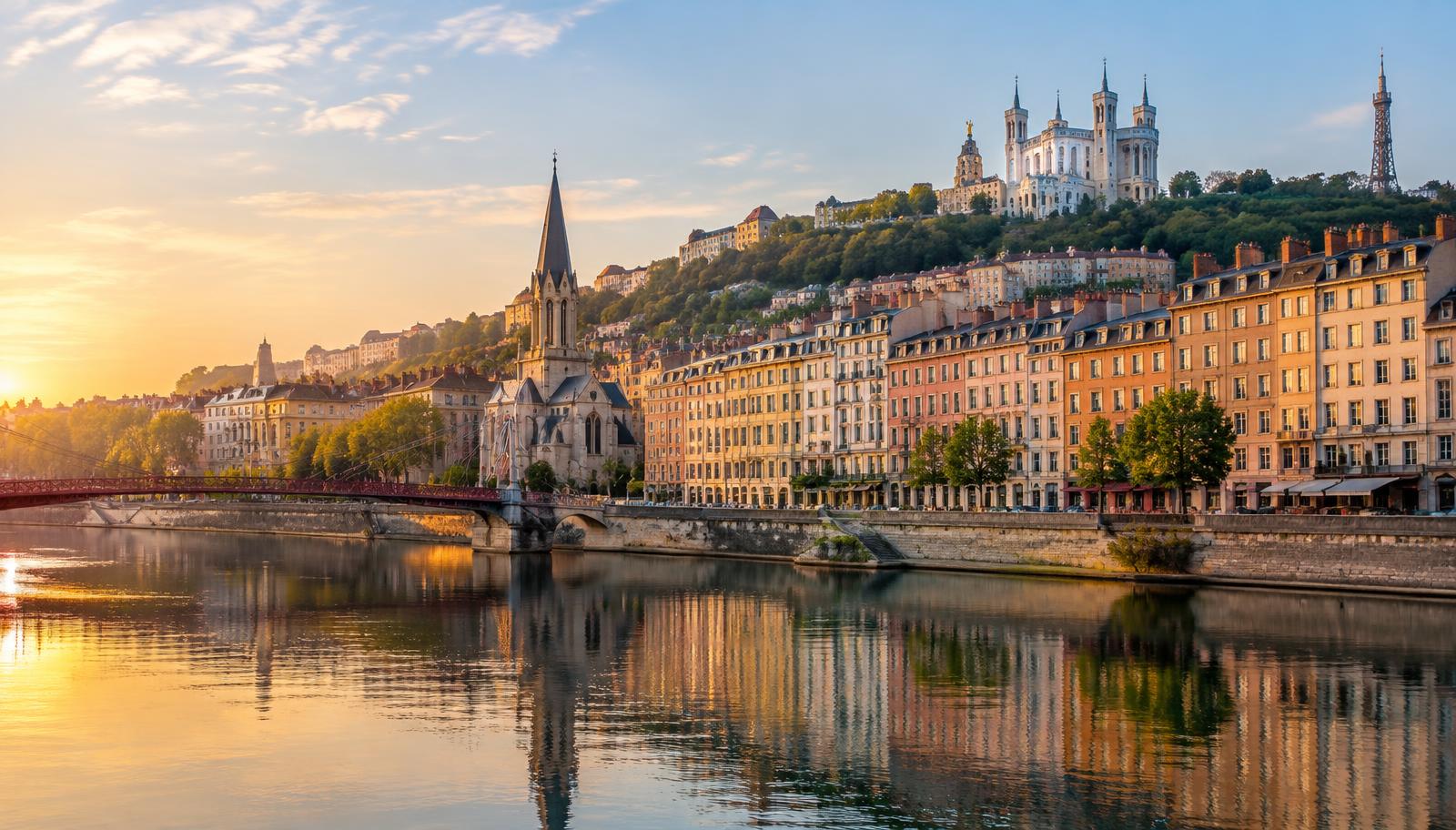
Lyon at a Slower Pace: Rivers, Markets and Long Lunches
A slow guide to Lyon: where to stay, a relaxed three-day rhythm, bouchons, markets, river walks and easy escapes to Beaujolais.
· 8 min read
Travel
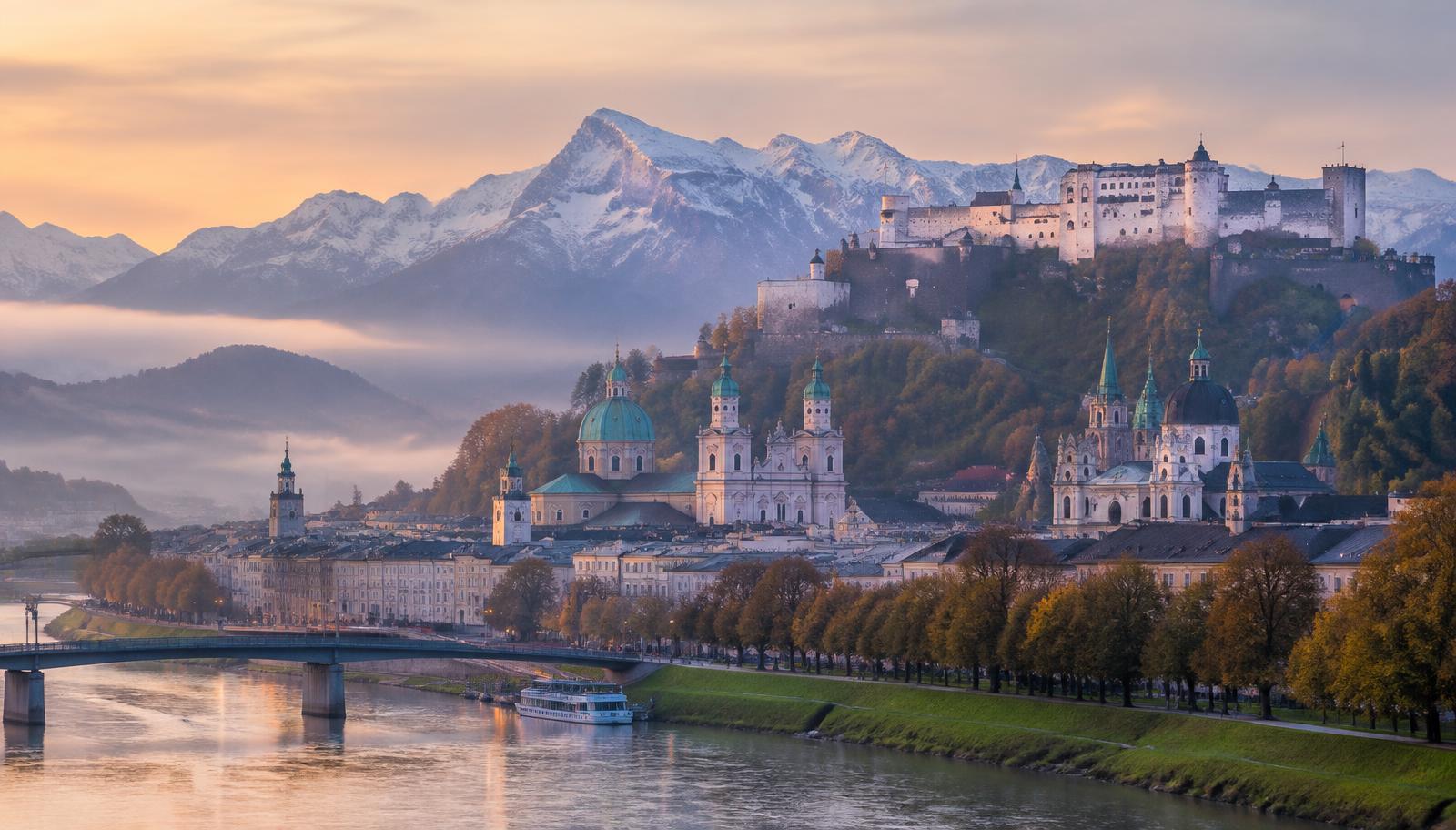
Salzburg at a Slower Pace: Baroque Squares, Hill Walks and Alpine Lakes
A slow guide to Salzburg: where to stay, a calm three-day rhythm, coffee-house culture, hilltop walks and gentle lake-district escapes.
· 7 min read
Travel
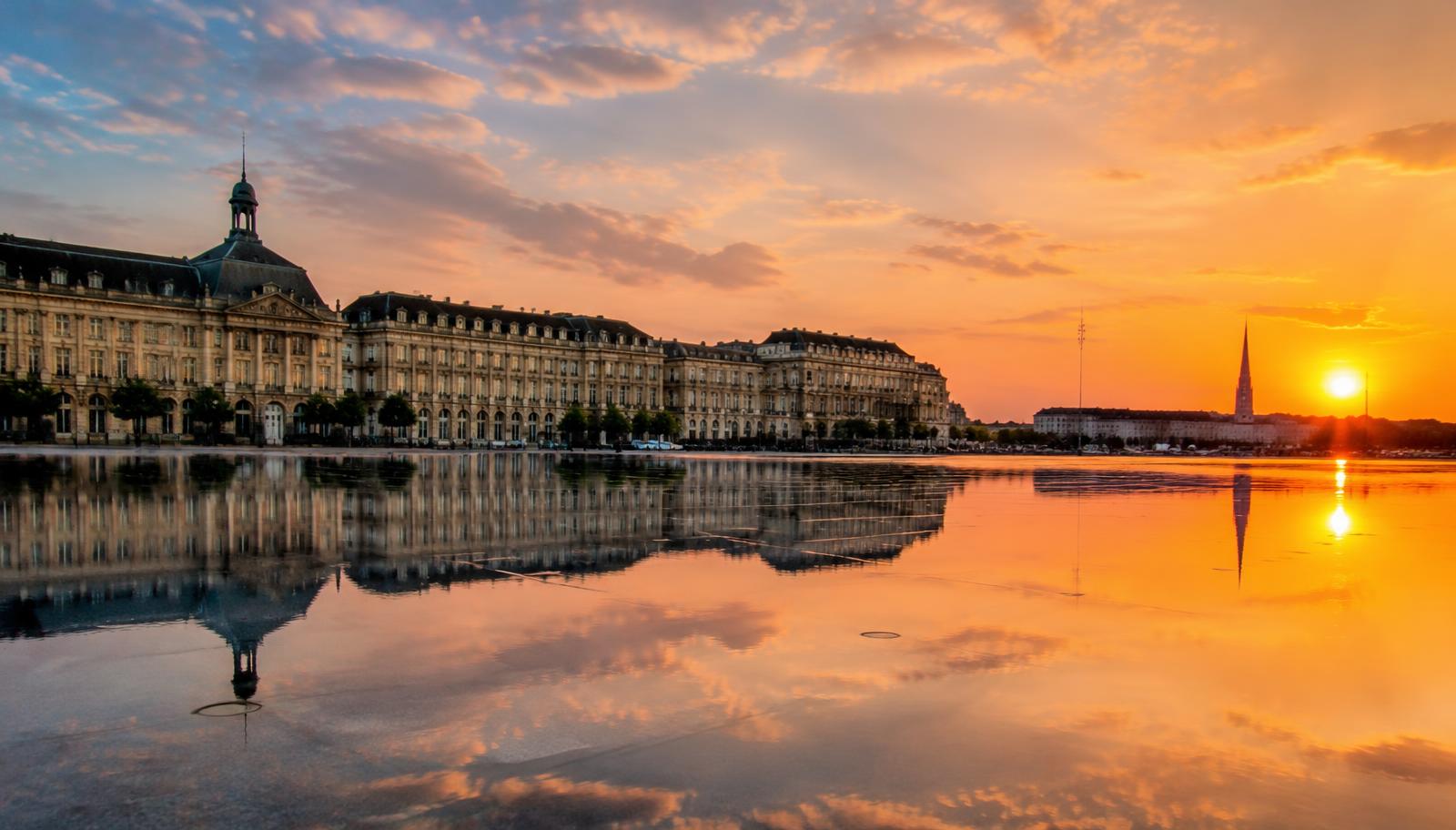
Bordeaux at a Slower Pace: Stone Streets, River Evenings and Wine Country
A slow guide to Bordeaux: where to stay, a relaxed three-day rhythm, markets, wine bars and easy trips to Saint-Émilion and the Atlantic coast.
· 7 min read