Kraków at a Slower Pace: Market Squares, Café Mornings and the Planty
· 6 min read
Disclosure: Some links are affiliate links; we may earn a commission at no extra cost to you.
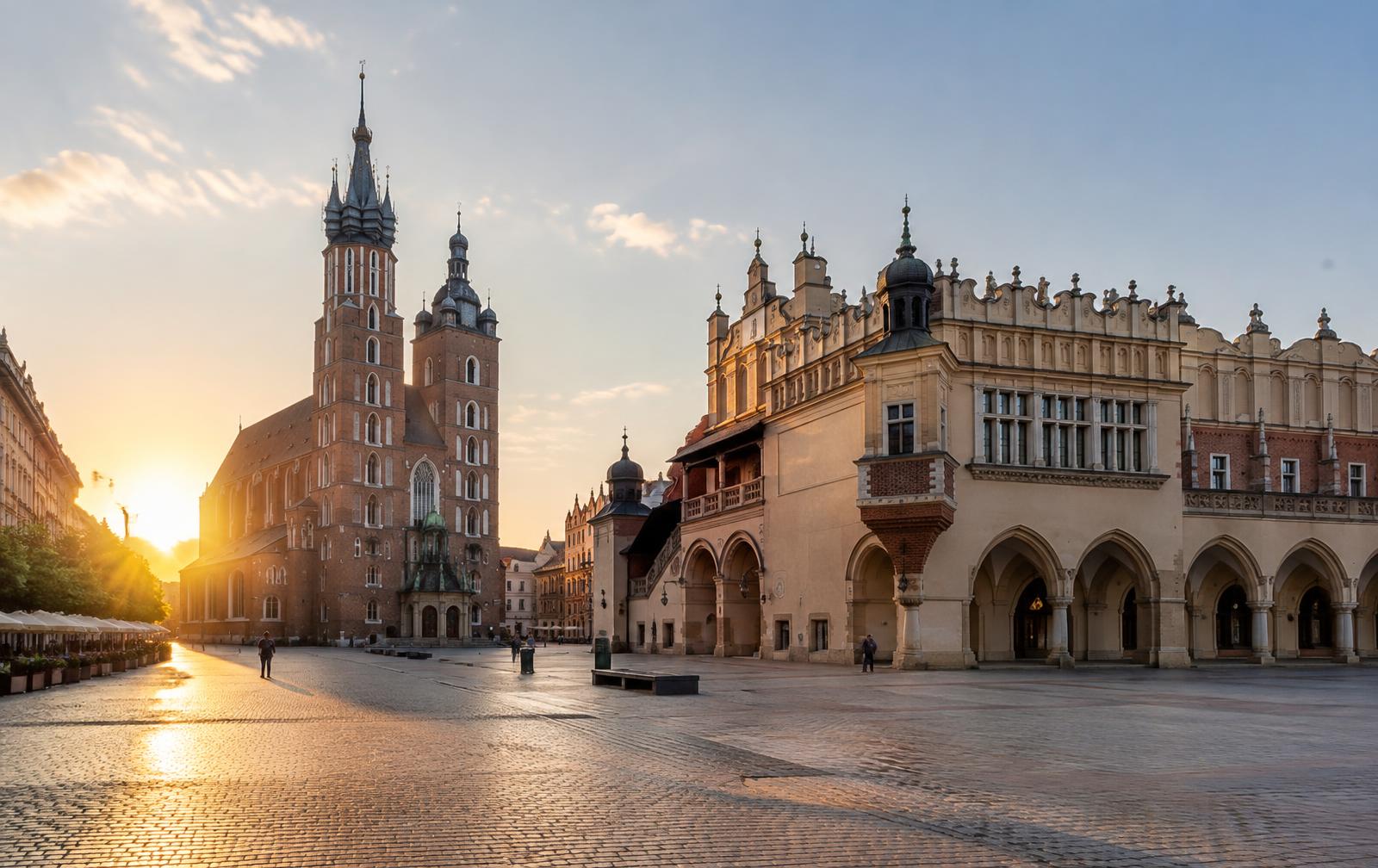
Kraków is one of the few European cities where the old centre still feels like it belongs to the people who live there. Students cross the Main Market Square on their way to lectures, pensioners feed pigeons near the Cloth Hall, and the trumpet call from St Mary's tower marks the hour as it has for centuries. A rushed visit treats all of this as a backdrop for a single busy day. A slower visit lets the city set the pace: a long walk around the Planty, an afternoon in a quiet café, and an evening that ends when it ends.
This researched guide suggests three unhurried days. It does not claim a personal visit, recommend a hotel we have tested or invent current prices. Use the official links for background and transport information, and the booking partners to compare your own dates. Your energy, interests and access needs matter more than completing every suggestion here.
Find a base that suits your daily rhythm
The Old Town puts the Main Market Square, the churches and the Planty park ring within a few minutes' walk. It suits visitors who like to step straight into the historic centre each morning, but central streets can be lively late into the night, especially at weekends. Read recent reviews for noise, ask which side of the building the room faces and check whether there is a lift if stairs matter.
The historic Jewish quarter, a short walk south, has a more neighbourhood feel: courtyard cafés, small galleries, synagogues, bookshops and restaurants on streets that still feel lived in. It can be the most rewarding base for a slow trip, though some streets host busy bars in the evening. A room set back from the main squares often gives you the atmosphere without the late noise.
The area across the river is quieter again and gives you easy walks along the Vistula, at the cost of a slightly longer stroll or tram ride into the Old Town. Confirm the route you would actually take after dinner, not just the distance on the map.
Whichever area you choose, compare the full room price, cancellation rules, city tax, breakfast and any cleaning fees. The hotel links at the end are general affiliate links: enter Kraków and your own dates before choosing. They are not claims that we stayed at a particular property, nor guarantees that one provider will always be cheapest.
Day one: the square, the Planty and the castle hill
Start early in the Main Market Square, before the tour groups and the café terraces fill. It is one of the largest medieval squares in Europe, and in the first hour of the morning it is calm enough to hear your own footsteps. Walk the edges slowly, look up at the façades, and wait for the trumpet call from the tower of St Mary's Basilica, which breaks off mid-melody in memory of a legend about a watchman.
From the square, join the Planty, the green ring that replaced the old city walls. It is an easy, flat walk under trees, with benches every few minutes, and it connects most of what you will want to see in the Old Town. Follow it south towards Wawel Hill, where the royal castle and cathedral sit above the river.
Wawel rewards a focused visit rather than an attempt to see everything. Choose one or two exhibitions that genuinely interest you, and check current opening hours and ticket arrangements before you go, as they can change by season. Afterwards, walk down to the Vistula embankment and let the river slow the day down.
Day two: the old Jewish quarter at a walking pace
Give the quarter a whole day, or at least a long, open-ended afternoon. Its history is layered and sometimes painful, and it deserves attention rather than a quick photo stop. Visit one or two synagogues or museums with care, read the information provided, and treat memorial sites with the respect they ask for.
Between visits, slow down. The quarter has some of the best café culture in Poland: high-ceilinged rooms with mismatched furniture, courtyards with vines, bakeries with bagel-like obwarzanki and cakes. Sit long enough to finish a book chapter. Look for the weekend flea market if your dates line up, and browse without needing to buy.
In the evening, cross the footbridge to the south bank for views back across the river, or stay nearby for a long dinner. If you want to learn more about the wartime history of the area, a guided walk with a knowledgeable local can be more meaningful than wandering alone. Choose operators carefully and read recent reviews.
Day three: a slower look beyond the centre
Choose one main plan for the last day. Some visitors make a careful, pre-booked trip to the Auschwitz-Birkenau Memorial, which needs a full day, emotional space and advance arrangements through official channels. Others prefer the Wieliczka Salt Mine, which is closer and also requires booking. Either deserves to be the only big plan of the day, not squeezed between other activities.
If you would rather stay in the city, walk to the Kościuszko Mound for a view over Kraków, spend a slow morning at one of the city's museums, or simply return to the neighbourhood you liked most and repeat it. Slow travel is often about going back to the same café twice and noticing different things.
Leave the final evening unplanned: a last walk around the Planty at dusk, a last bowl of soup, a last look at the square when the lights come on.
Give food room to be enjoyable
Polish cooking is comforting and generous. Pierogi come with savoury and sweet fillings, żurek is a sour rye soup often served in bread, and bigos is a slow-cooked hunter's stew. Milk bars, simple canteen-style restaurants, are part of everyday life and a good way to eat as locals do. Order what looks good, take your time and do not try to cover every famous dish in one meal.
Market halls and bakeries are worth a morning slot. The obwarzanek, a ring-shaped bread sold from street carts, makes an easy breakfast on the move. Ask about ingredients directly if you have allergies or dietary needs, since recipes vary between kitchens.
We have not supplied supposedly current meal costs because no receipts or tested restaurant details were provided. Check displayed prices before ordering, and keep a note of what you actually pay if you want a useful record for a future trip.
Make practical choices before adding excursions
Kraków's centre is compact and largely walkable, though cobbles and kerbs can be tiring. Trams are a useful way to reach the outer districts, Nowa Huta or your accommodation after a long day; the city transport operator MPK has routes and ticket information. Validate tickets as required, and check how ticketing works before your first ride.
Winters can be cold and short on daylight, while summer brings more visitors and warm evenings. Pack layers whatever the season. Keep belongings secure in busy areas, check accessibility arrangements for any museum or tour that matters to you, and ask before photographing people. Day trips are worthwhile, but each one should replace something in the city rather than be added to an already full day.
Book thoughtfully and keep exploring
Compare hotels through Agoda, Booking.com and Hotels.com, or browse apartments on Vrbo. Find optional guided activities through GetYourGuide. These affiliate links may earn us a commission. Check dates, location, cancellation terms and the final price before paying; no link guarantees the best deal.
For another unhurried Central European city break, read our Prague guide and our Budapest guide. For ideas to keep the pace once you are home, read Slow Living Between Trips. Kraków does not ask to be conquered in a weekend. Give it time, and it offers something better: a morning square, a quiet courtyard, a bowl of soup and a city that still feels like home to someone.
Where to stay
Browse places to stay around Kraków, Poland. Prices change, so compare the live rate with the real price and dates shown above. Bookings made through these links may earn us a commission.
Related posts
Travel
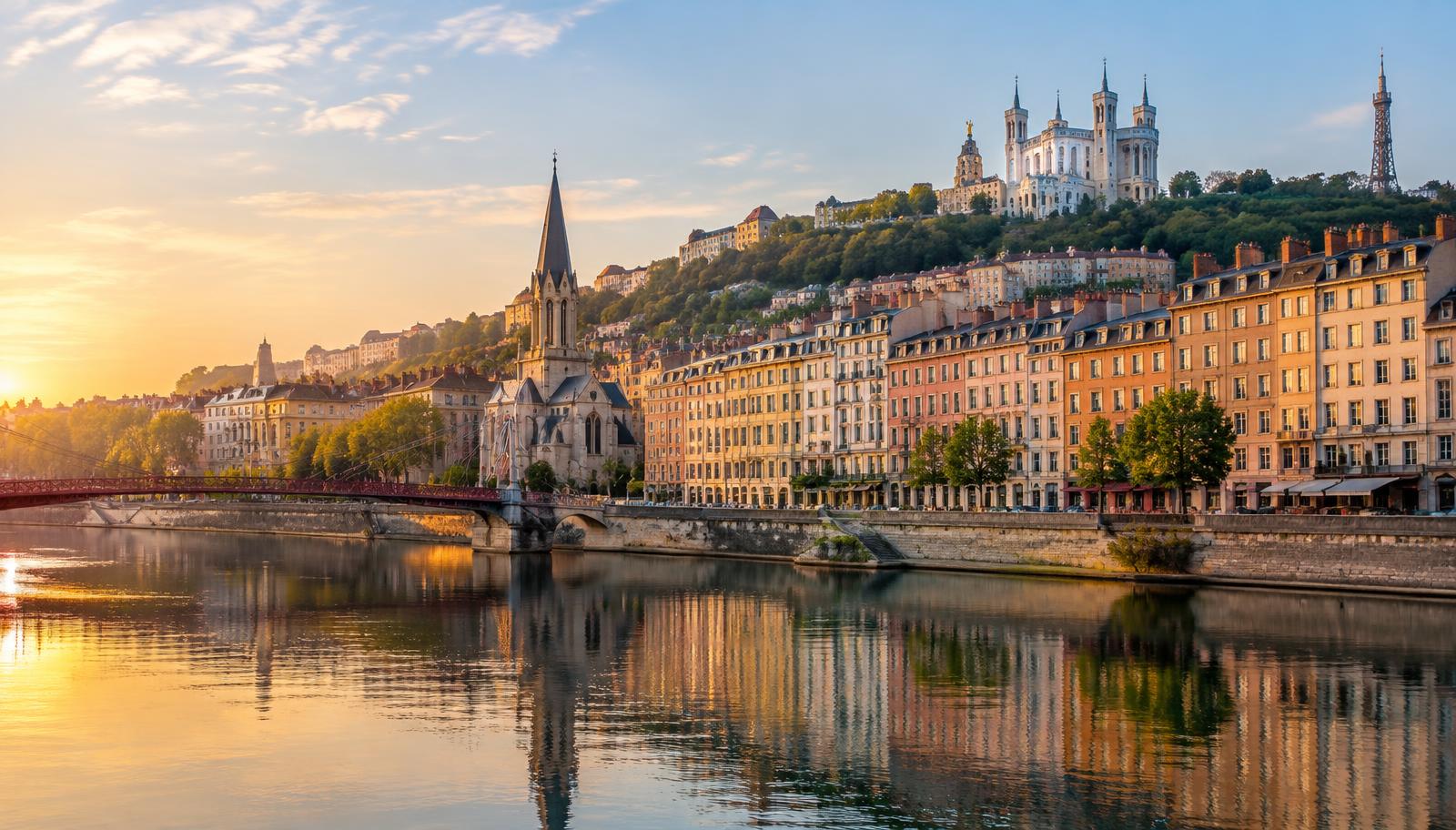
Lyon at a Slower Pace: Rivers, Markets and Long Lunches
A slow guide to Lyon: where to stay, a relaxed three-day rhythm, bouchons, markets, river walks and easy escapes to Beaujolais.
· 8 min read
Travel
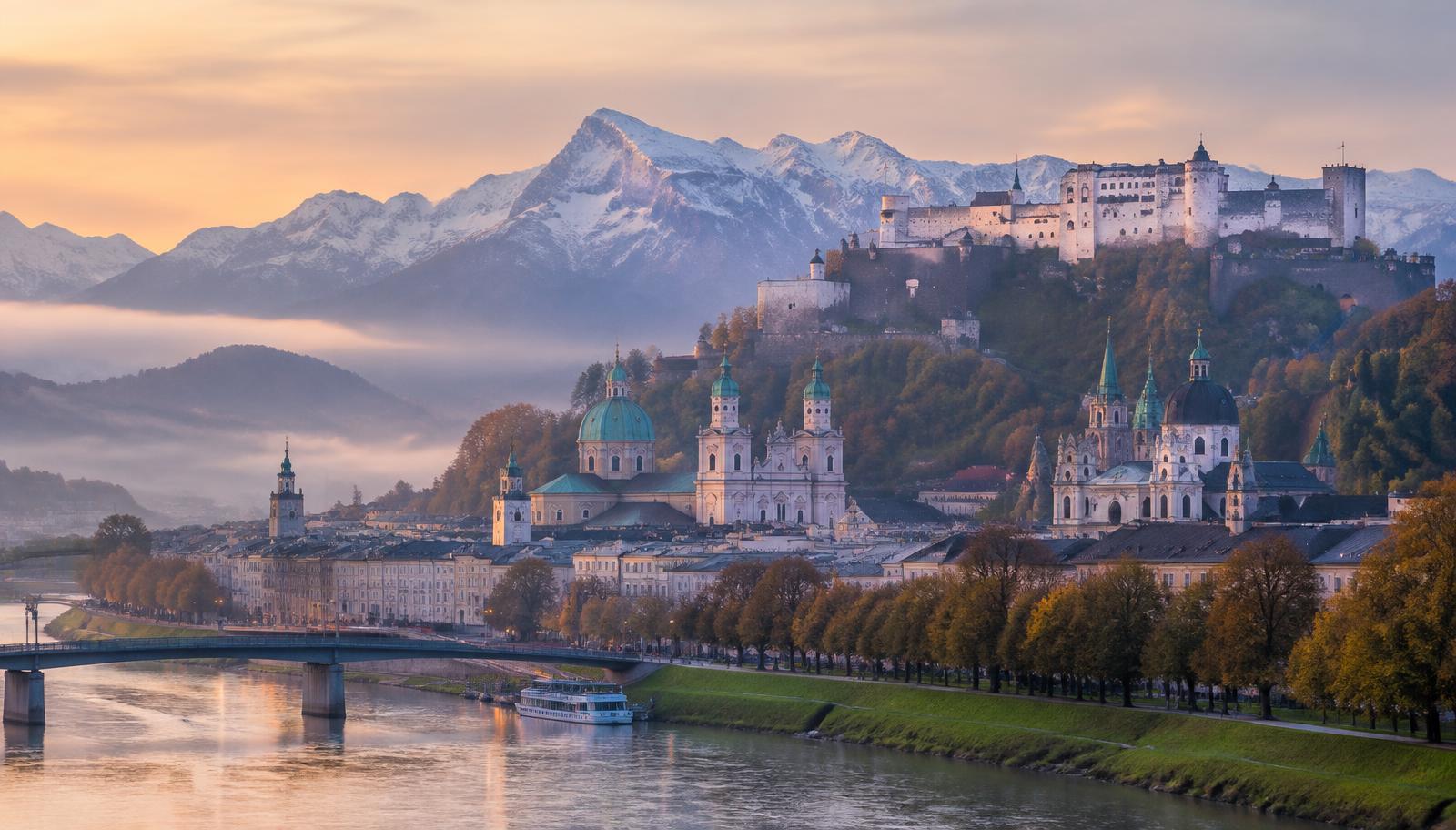
Salzburg at a Slower Pace: Baroque Squares, Hill Walks and Alpine Lakes
A slow guide to Salzburg: where to stay, a calm three-day rhythm, coffee-house culture, hilltop walks and gentle lake-district escapes.
· 7 min read
Travel
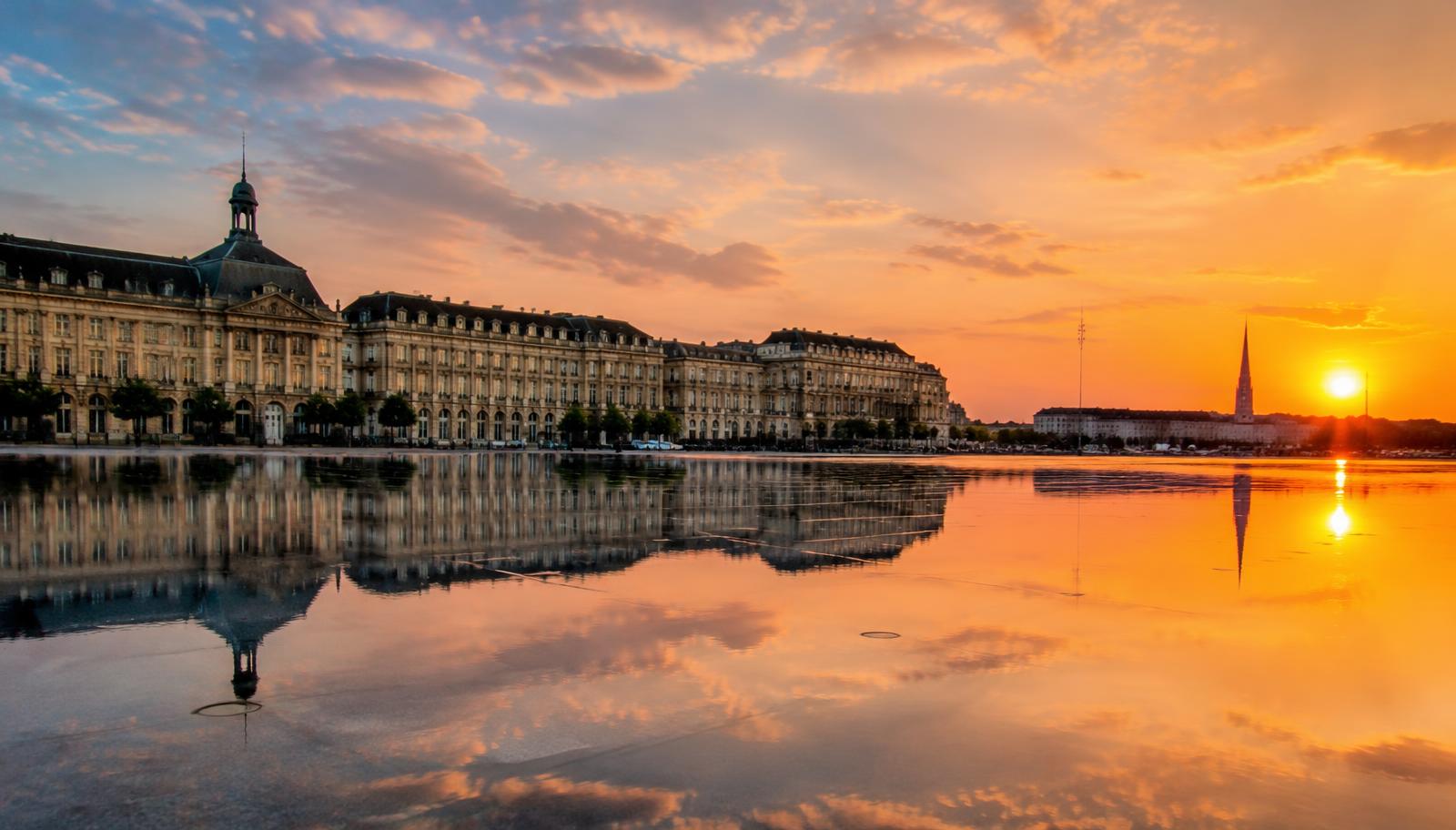
Bordeaux at a Slower Pace: Stone Streets, River Evenings and Wine Country
A slow guide to Bordeaux: where to stay, a relaxed three-day rhythm, markets, wine bars and easy trips to Saint-Émilion and the Atlantic coast.
· 7 min read