Budapest at a Slower Pace: Thermal Baths, Danube Walks and Café Culture
· 6 min read
Disclosure: Some links are affiliate links; we may earn a commission at no extra cost to you.
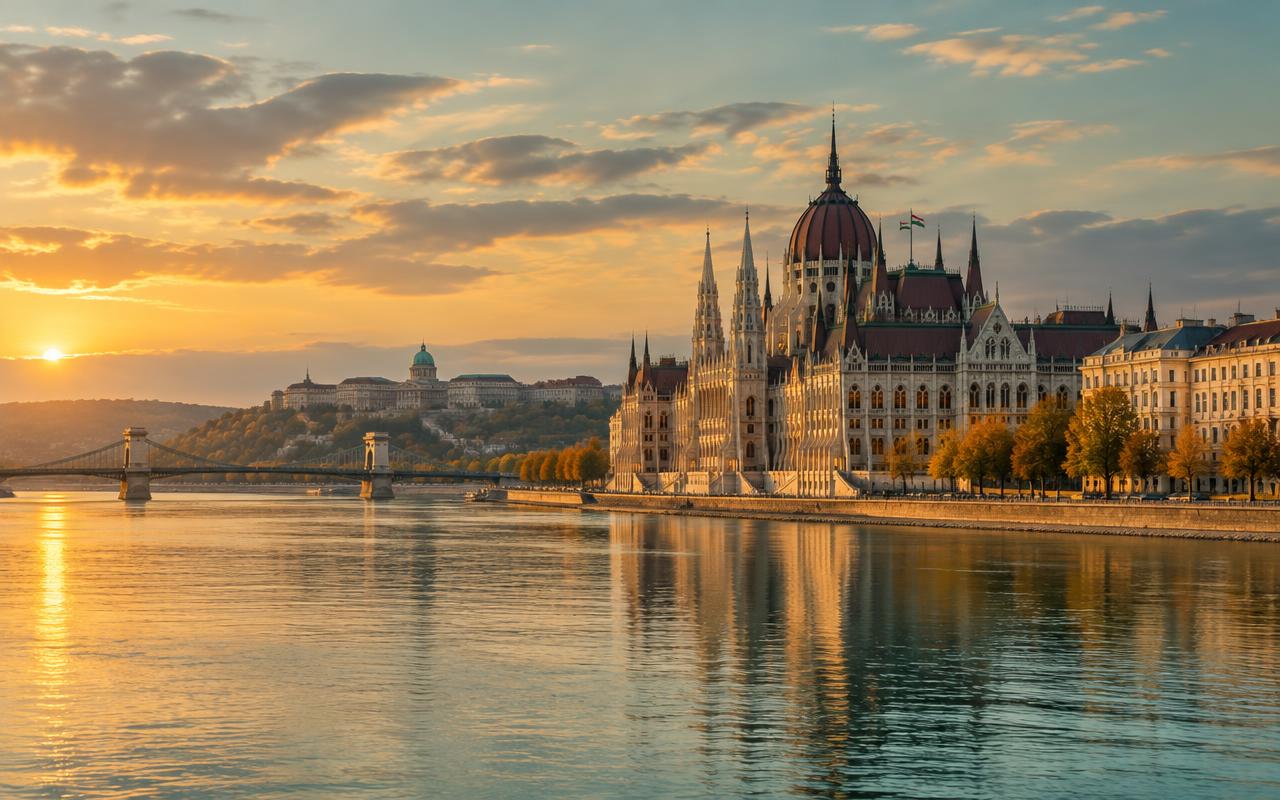
Budapest rewards visitors who give it time. The city is really two — the hills on one bank, Pest on the plain — stitched together by bridges and a broad, steady river. A checklist visit will take you past the Parliament building, a ruin bar and one famous bath in a single frantic afternoon. A slower visit makes a different choice: walk the riverbank, sit in a café long enough to watch the trams pass, and let the baths do what they were built for, which is nothing at all.
This researched guide suggests three days with room to pause. It does not claim a personal visit, recommend a hotel we have tested or invent current prices. Use the official links for background and transport information, and the booking partners to compare your own dates. Your energy, access needs and interests matter more than completing every suggestion here.
Find a base that suits your daily rhythm
The central Pest riverbank puts the Parliament, the bridges and the walking routes close together. It can suit someone who likes stepping straight into the city each morning, but a grand boulevard address is not automatically a quiet bedroom. Read recent accommodation reviews for noise, lift access and check-in instructions, and ask which floor the actual room occupies if stairs matter.
The Jewish Quarter offers a denser, livelier setting: small streets, cafés, bars and everyday shops within a few minutes of each other. It suits visitors who want the evening to start outside their door, but light sleepers should check whether the street below runs late. Look for courtyard buildings set back from the road if you want the location without the noise.
The district on the other side of the river gives you a hillside perspective and quieter evenings at the cost of a longer walk or a short transit ride into central Pest. Confirm the route you would actually take before choosing, including how it works at night. Consider luggage on arrival and the return after dinner, not just the appealing view in the property photographs.
Compare the complete room price, cancellation rules, city tax, breakfast and any cleaning charges. The hotel links at the end are general affiliate links: enter Budapest and your travel dates before choosing. They are not claims that we stayed at a particular hotel, nor guarantees that one provider will always be cheapest.
Day one: the river and both banks
Start the trip with the river itself. The Pest-side embankment from the Parliament building south towards the Chain Bridge is an easy, mostly flat walk with benches, views and no queue to join. Stop often. The parliament building is at its best from the far bank in morning light, so cross early and look back.
Crossing the river brings you to the Castle District. Its lanes reward wandering more than a timed tour, but check current access and ticketing arrangements for any interior you plan to enter before building the day around it. Walk down to the river rather than riding down, if your knees allow, and take the bridges at an unhurried pace — they are the best free views in the city.
Finish the day back in Pest with dinner near wherever you are already standing. Budapest rewards eating close to home base: a neighbourhood restaurant you can walk to, and a second stroll after dessert if the evening is kind. Leave the famous ruin bars for a night when you genuinely want them; a quiet terrace over the river can be a better memory than a queue.
Day two: baths, done properly
The thermal baths are Budapest's most distinctive experience, and they deserve more than a rushed hour. Choose one bath rather than sampling several. Large outdoor complexes suit a full lazy day; smaller, older bathhouses suit a couple of restful hours. Read what each offers before you go — indoor and outdoor pools, temperature ranges, private cabins and swimsuit or towel rules all vary.
Check opening hours and any booking rules before setting out, since timetables and ticketing change. The city transport operator BKK can help you plan the journey too, because most baths are reached easily by tram, metro or bus. Bring water, take the breaks the signs suggest, and stay for the parts most visitors skip: the quiet room afterwards, the slow walk back, the early evening.
Keep the rest of day two deliberately light. A coffee house, a bookshop, a park bench — Budapest's café culture is part of its history, and sitting still in a grand old café is doing the city properly, not lazily. If you want one more walk, the Danube banks at dusk are the right answer.
Day three: markets, hills and a slow goodbye
Give the last day one main destination and an easy morning. A market hall, a walk up Gellért Hill if your legs are willing, or a return to a district you only glimpsed earlier — choose the one you would regret skipping, and let the rest of the day stay open.
Market halls are working markets as well as attractions. Buy what you would actually eat or take home, check displayed prices before ordering, and be considerate of people shopping for their week. If you climb to the hilltop viewpoints, go early, take water and descend by whatever route your knees approve of.
Save the final evening for a ritual rather than a plan: a last bath, a last riverside walk, a last slice of cake. Slow travel is mostly about leaving gaps good enough to be filled twice.
Give food room to be enjoyable
Hungarian cooking is generous: goulash-style soups, paprika-spiced stews, fried breads and river-fish dishes. You do not need to hunt the most famous plate in the city. A simple lunch near your neighbourhood, eaten without hurry, often beats a scheduled meal across town.
Cafés deserve their own slot in the day, not a quick stop between sights. Pastries and cakes are a local institution. Ask about ingredients directly if you have allergies or dietary needs, since recipes vary and some dishes contain alcohol or unfamiliar fats. Check displayed prices and any cover charges before ordering, as with any city.
We have not supplied supposedly current meal costs because no receipts or tested restaurant details were provided. Keep a note of what you actually pay if you want a useful record for a future visit.
Make practical choices before adding excursions
Budapest is walkable in parts but spread out overall, with hills on one side and distances that a map can undersell. Comfortable shoes, tram legs and honest plans about stairs matter more here than a packed schedule. Check specific accessibility arrangements for accommodation, baths and transit when they matter to you.
Keep belongings secure in crowds and stations, and stay aware around traffic when crossing tram lines. Ask before taking portraits, and treat apartment courtyards as homes rather than photo sets. Day trips along the Danube Bend or to nearby spa towns can deserve their own time; if you take one, replace something in the city rather than adding it to an already full day.
Book thoughtfully and keep exploring
Compare hotels through Agoda, Booking.com and Hotels.com, or browse apartments on Vrbo. Find optional guided activities through GetYourGuide. These affiliate links may earn us a commission. Check dates, location, cancellation terms and the final price before paying; no link guarantees the best deal.
For another unhurried city break, explore our Vienna guide and Prague guide. For everyday ideas after returning home, read Slow Living Between Trips. Budapest does not need to be simplified into one neat impression. Give it enough time for different impressions to coexist: a steaming pool, a tram bell, a careful meal and an unhurried look across the river.
Where to stay
Browse places to stay around Budapest, Hungary. Prices change, so compare the live rate with the real price and dates shown above. Bookings made through these links may earn us a commission.
Related posts
Travel
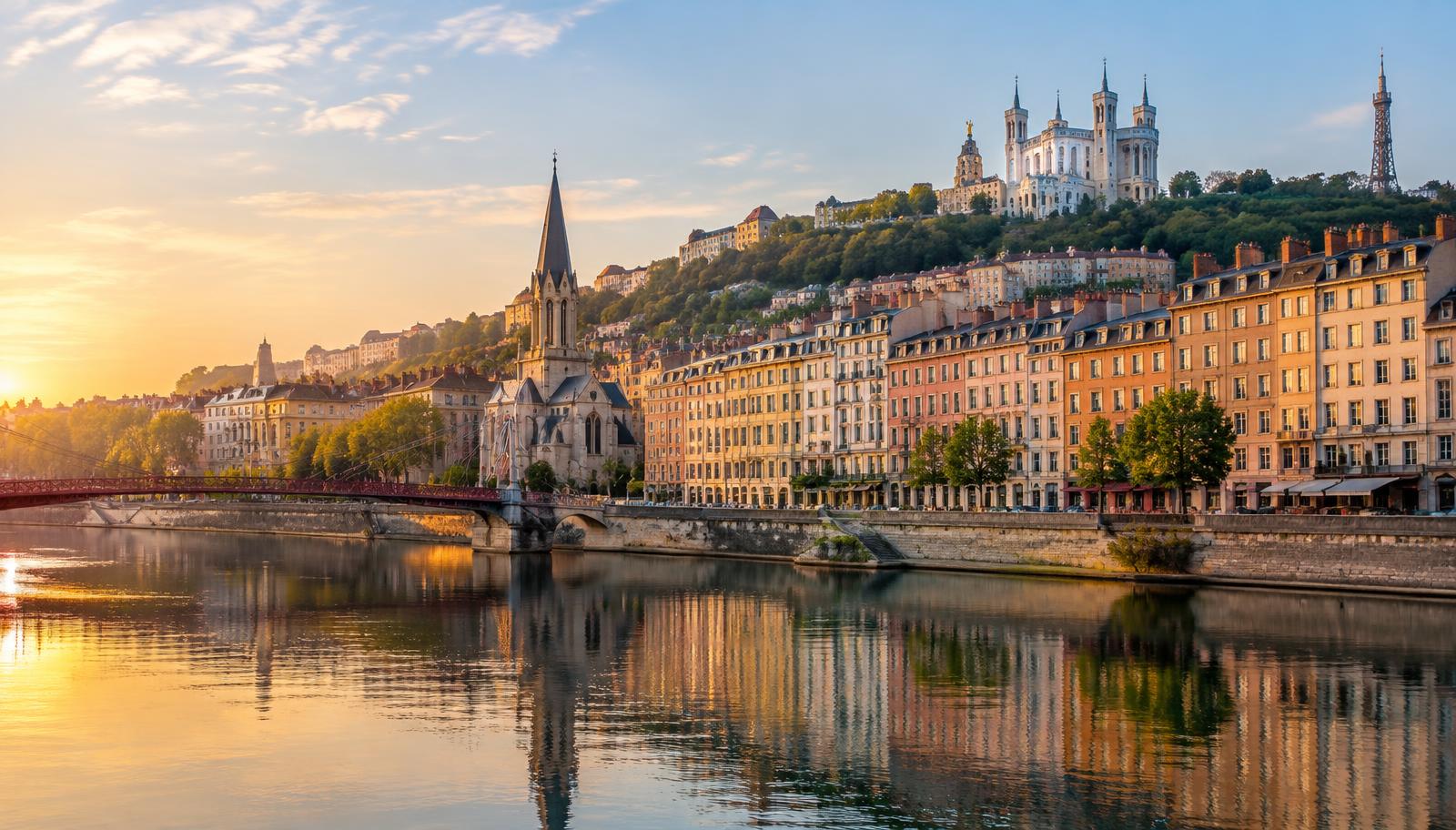
Lyon at a Slower Pace: Rivers, Markets and Long Lunches
A slow guide to Lyon: where to stay, a relaxed three-day rhythm, bouchons, markets, river walks and easy escapes to Beaujolais.
· 8 min read
Travel
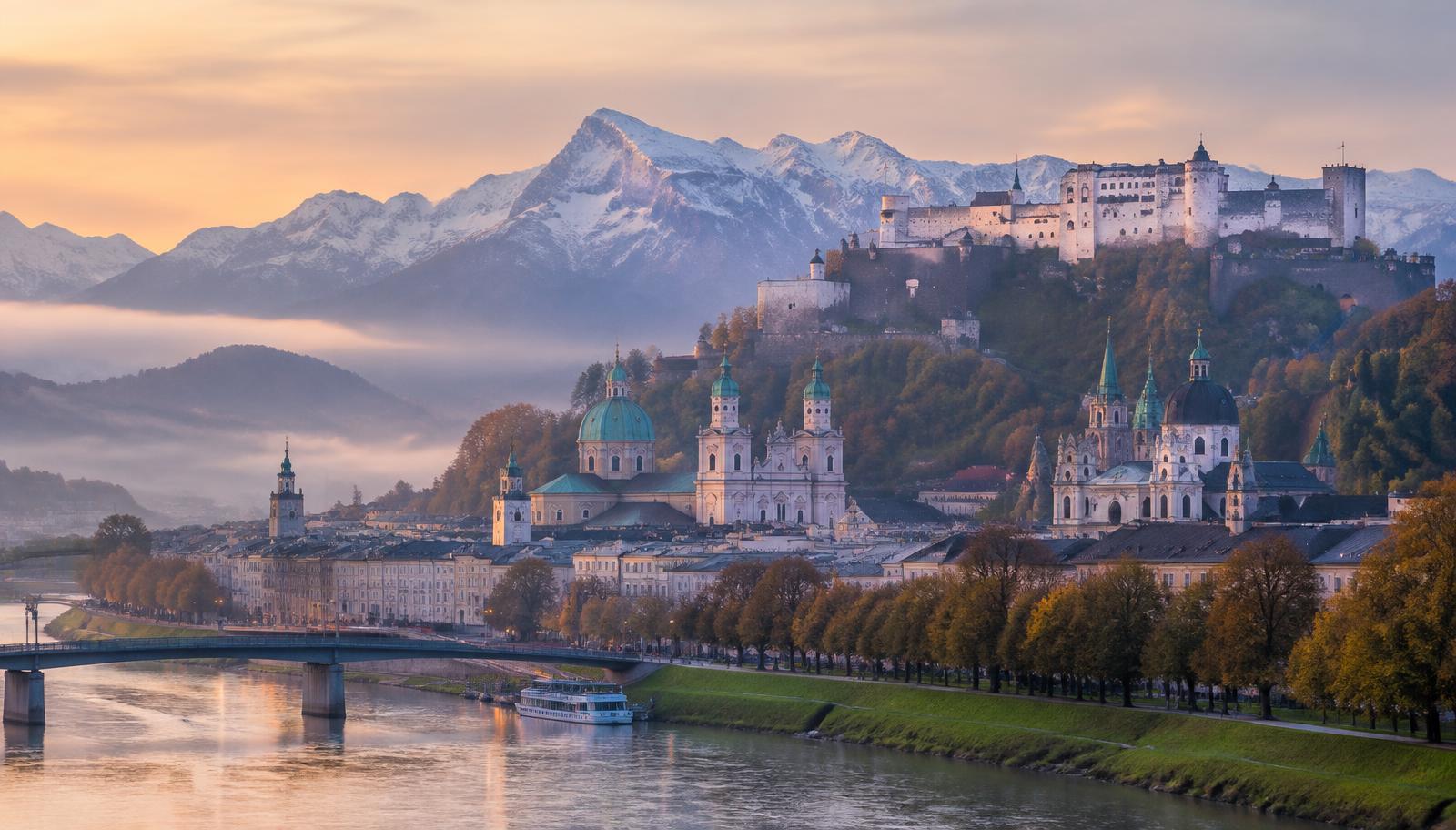
Salzburg at a Slower Pace: Baroque Squares, Hill Walks and Alpine Lakes
A slow guide to Salzburg: where to stay, a calm three-day rhythm, coffee-house culture, hilltop walks and gentle lake-district escapes.
· 7 min read
Travel
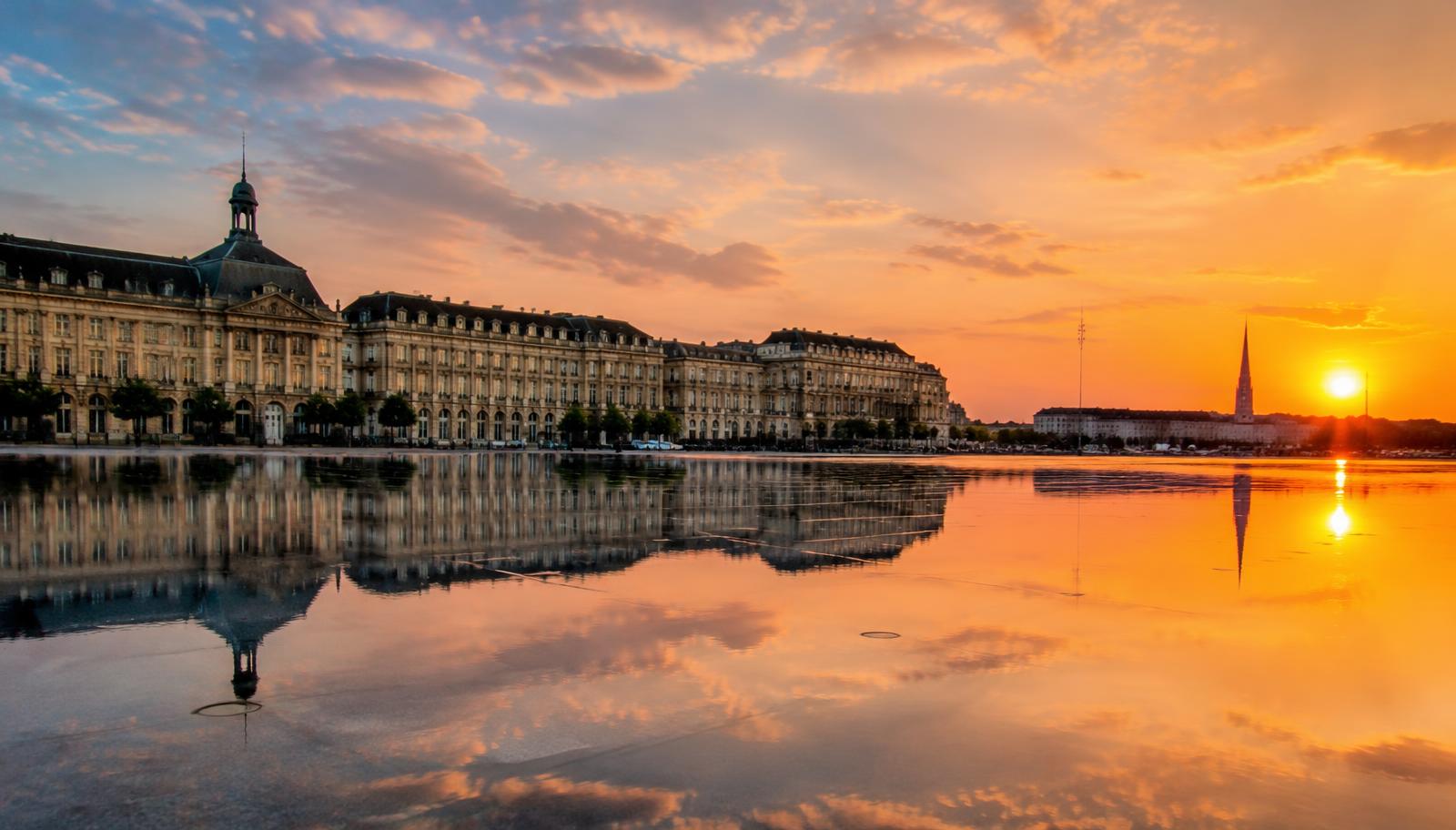
Bordeaux at a Slower Pace: Stone Streets, River Evenings and Wine Country
A slow guide to Bordeaux: where to stay, a relaxed three-day rhythm, markets, wine bars and easy trips to Saint-Émilion and the Atlantic coast.
· 7 min read