Granada at a Slower Pace: Albaicín Mornings, Free Tapas and the Alhambra at Sunset
· 7 min read
Disclosure: Some links are affiliate links; we may earn a commission at no extra cost to you.
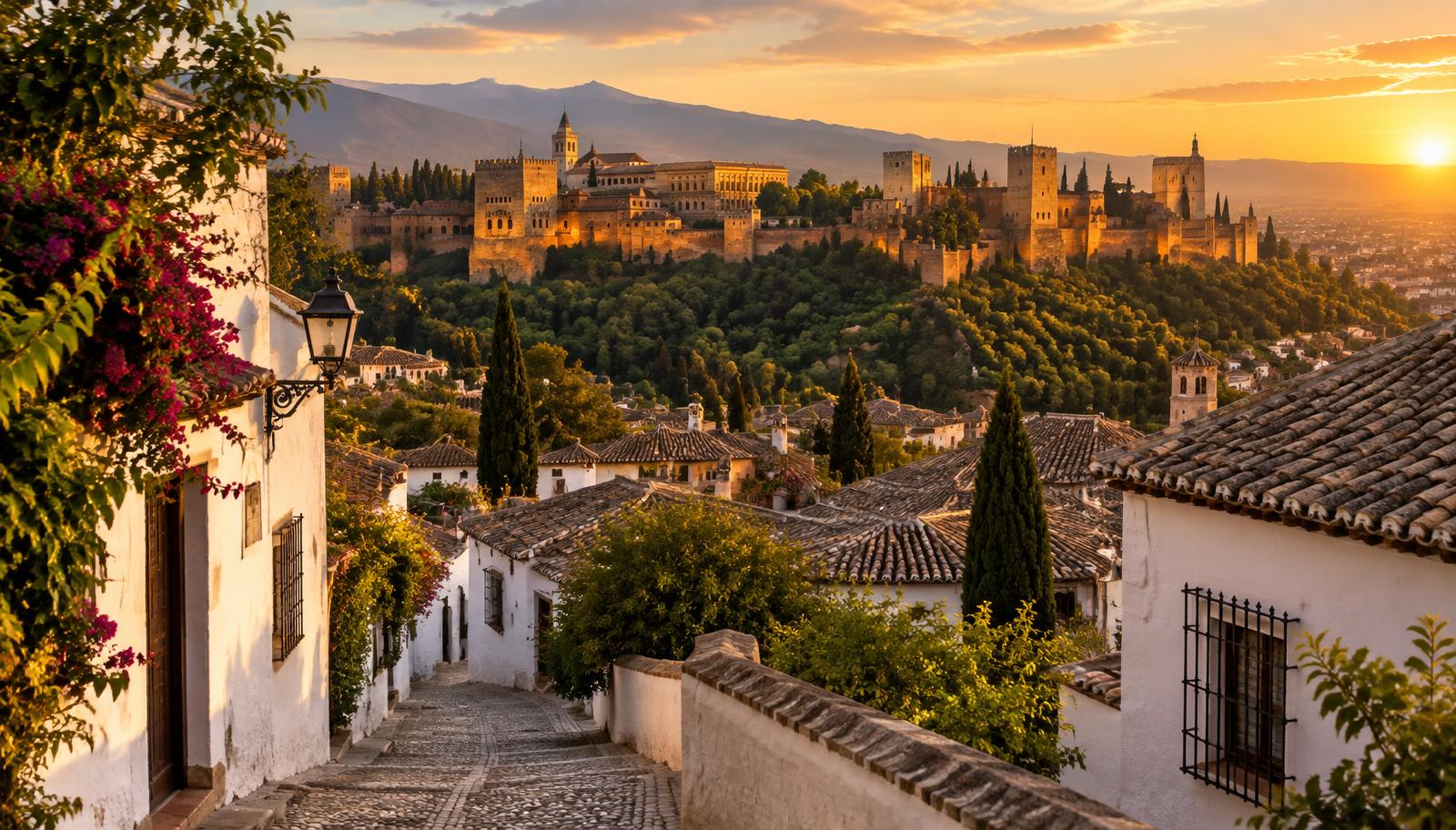
Granada sits at the foot of the Sierra Nevada with the Alhambra watching over it from a wooded hill, and it may be the easiest city in Spain to fall into a slower rhythm. The mornings are for the Albaicín's whitewashed lanes, the afternoons for a long lunch and a rest, and the evenings for tapas that arrive free with every drink. A rushed visit does the Alhambra in the morning and leaves by afternoon. A slower stay lets the city unfold: the sound of water in every courtyard, the smell of jasmine over a garden wall, and the moment the palace turns gold at sunset from across the valley.
This guide is built for three unhurried days in Granada — where to stay, how to get around, a day-by-day rhythm, what and where to eat, and the practical details that make the trip smooth.
Where to stay in Granada
The Albaicín, the old Moorish quarter, is the atmospheric choice: carmenes — traditional houses with walled gardens — converted into small hotels and guesthouses, with views straight across to the Alhambra. The trade-off is steep cobbled lanes and no car access to many doors, so pack light and expect to walk the last stretch.
The lower city around Plaza Nueva and the Cathedral is flatter and more convenient, with everything from simple hostales to grander hotels on the Gran Vía. Realejo, the old Jewish quarter south of the centre, is the quiet middle ground: residential, full of good tapas bars, and an easy walk everywhere.
Wherever you book, compare a few options before you commit — prices shift with the season, and spring and autumn weekends fill up fast:
- Agoda
- Booking.com
- Hotels.com
- Vrbo — good for apartments if you're staying a week
Getting there and getting around
Granada has a small airport with connections through Madrid and Barcelona, but most slow travellers arrive by train or bus. The train from Madrid takes around three and a half hours; from Seville, allow roughly the same by bus or rail. If you're combining Andalusian cities, Granada pairs naturally with Seville — our Seville guide covers the other half of that trip.
Once you're in, Granada is a walking city with one caveat: the hills. The Albaicín and the Alhambra both sit above the centre, and the climbs are real. Small red minibuses run from Plaza Nueva up through the Albaicín and to the Alhambra entrance — they're cheap, frequent and worth every cent on the way up. Walk down instead; the descent through the Cuesta de los Chinos, past the old walls and through the woods, is one of the loveliest short walks in the city.
Taxis are plentiful and inexpensive for the evenings when your legs have had enough. You won't need a car in the city itself — parking in the old quarters is difficult and the streets weren't built for vehicles.
Day one: the Albaicín and the sunset viewpoint
Start the way the city does: slowly. Coffee and a tostada with tomato and olive oil at a neighbourhood bar, then up into the Albaicín before the heat builds. The quarter is a maze of narrow lanes, whitewashed walls and potted geraniums, and the pleasure is in getting mildly lost. Look for the cármenes behind their high walls, the small plazas where elderly neighbours sit in the shade, and the glimpses of the Alhambra that appear and vanish between rooftops.
Work your way towards the Mirador de San Nicolás, the famous viewpoint opposite the palace. Go in the morning for quiet, then return for sunset — yes, it's crowded at golden hour, but the sight of the Alhambra turning amber with the Sierra Nevada behind it earns the audience. Stay as the light fades and the palace floodlights come on.
On the way back down, stop at one of the teterías, the Moroccan-style tea houses on Calderería Nueva, for mint tea and a pastry. Dinner is tapas: in Granada, every drink comes with a free tapa, and an evening of bar-hopping — a caña here, a glass of local wine there — is both dinner and entertainment. Order a drink, eat what arrives, move on when you feel like it.
Day two: the Alhambra, taken slowly
The Alhambra is the reason most people come, and it deserves a full day rather than a slot between other plans. Book well in advance — tickets for the Nasrid Palaces are timed and sell out weeks ahead in high season. Choose a morning entry if you can; the light is softer and the crowds thinner.
Take the minibus up and enter through the Justice Gate if your ticket allows, which puts you close to the palaces. The Nasrid Palaces are the heart of it: courtyard after courtyard of carved stucco, tiled dados and reflecting pools, built not to overwhelm with size but to reward attention. The slower you move, the more you see — the geometry in a ceiling, the calligraphy in a frieze, the way every window frames a piece of the city below.
After the palaces, give the Generalife gardens an unhurried hour. The water channels, the clipped myrtle hedges and the long views back to the Albaicín are designed for lingering. Bring water and take the benches; there's no prize for finishing quickly.
The walk back down through the woods to the centre takes about twenty minutes and rinses the day out nicely. Evening: another round of tapas, this time in Realejo, where the bars are local and the plazas fill with families.
Day three: Sacromonte, markets and the hammam
Day three is for the edges. Walk up to Sacromonte, the cave-house district above the Albaicín, where homes are cut into the hillside and flamenco has deep roots. The morning light on the white cave chimneys is worth the climb, and the small museum gives context without demanding hours. In the evening, the cave venues host flamenco shows — intimate, intense and very different from the big-city tablaos.
Back in the centre, the Alcaicería, the old silk market, is now a grid of small shops selling ceramics, spices, leather and granadino marquetry. It's touristy, yes, but compact and good for gifts. The Cathedral and the Royal Chapel, where the Catholic Monarchs are buried, are worth an hour for the sheer weight of history.
Then do the most Granadan thing possible: book a session at a hammam. The Arab baths near Plaza Nueva offer warm pools, steam and optional massages in candlelit, tiled rooms — the perfect slow-travel afternoon. Follow it with a final paseo along the Carrera del Darro, the lane that runs beside the river under the Alhambra's walls, and a last tapas circuit.
Eating and drinking in Granada
Granada's food culture revolves around the free tapa, but there's more once you look. Breakfast is tostada and coffee standing at a bar. Lunch is the big meal — look for menú del día boards outside neighbourhood restaurants, usually three courses with a drink at a fair price. Remojón granadino (orange and cod salad), habas con jamón (broad beans with ham) and berenjenas con miel (fried aubergine with honey) are the local plates to try.
For sweets, piononos — small syrup-soaked cakes from the nearby town of Santa Fe — are the local speciality, and the pastelerías around the Cathedral sell them by the box. In the evening, the tapas crawl is the institution: the bars around Calle Navas, Plaza de la Universidad and the Realejo plazas are reliable hunting grounds.
Practical notes
Book the Alhambra as far ahead as you can — it is the one part of this trip that cannot be improvised. Spring and autumn are the ideal seasons; summer is hot and winter can be cold, though the Sierra Nevada snow on the horizon compensates. Comfortable shoes with grip matter more here than in most cities: the Albaicín's cobbles are polished smooth by centuries of feet.
Granada also makes an easy base for day trips — the Alpujarras villages on the Sierra Nevada's southern slopes, or the coast at Salobreña — if your slow stay stretches past three days. For guided walks, Alhambra tours and day trips, browse what's available on GetYourGuide.
The SlowCompass take
Granada rewards the traveller who stays an extra day. The Alhambra is magnificent, but the city's real gift is its pace: free tapas that turn one drink into an evening, sunset from a crowded wall that still feels private, and a hammam that resets you for the road. If you're building a longer Andalusian route, pair it with our Seville guide and Valencia guide for the Mediterranean leg. And for the weeks between trips, our Slow Living Between Trips article has ideas for keeping this pace at home.
Go somewhere. Live well when you get back.
Where to stay
Browse places to stay around Granada, Spain. Prices change, so compare the live rate with the real price and dates shown above. Bookings made through these links may earn us a commission.
Related posts
Travel
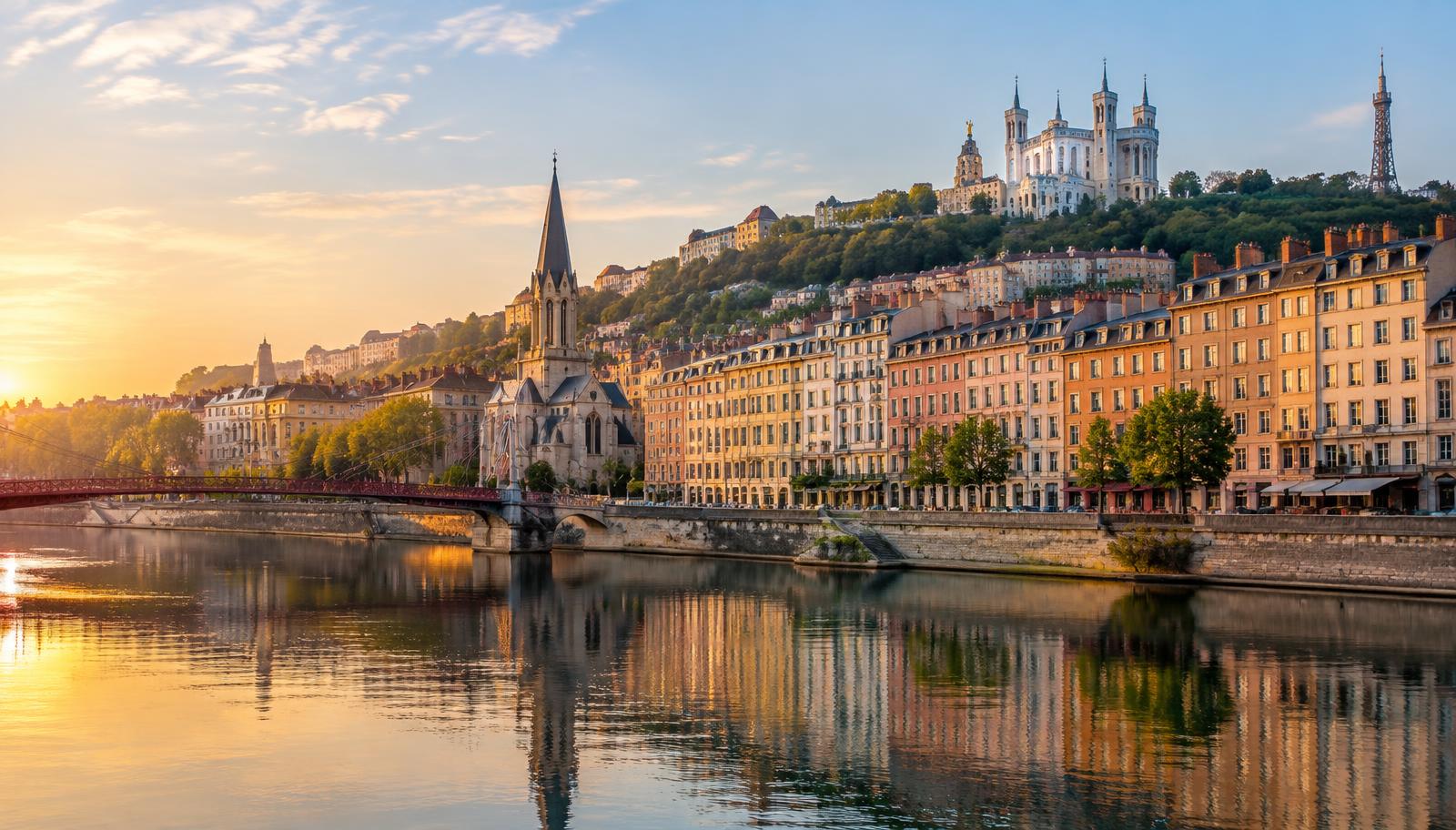
Lyon at a Slower Pace: Rivers, Markets and Long Lunches
A slow guide to Lyon: where to stay, a relaxed three-day rhythm, bouchons, markets, river walks and easy escapes to Beaujolais.
· 8 min read
Travel
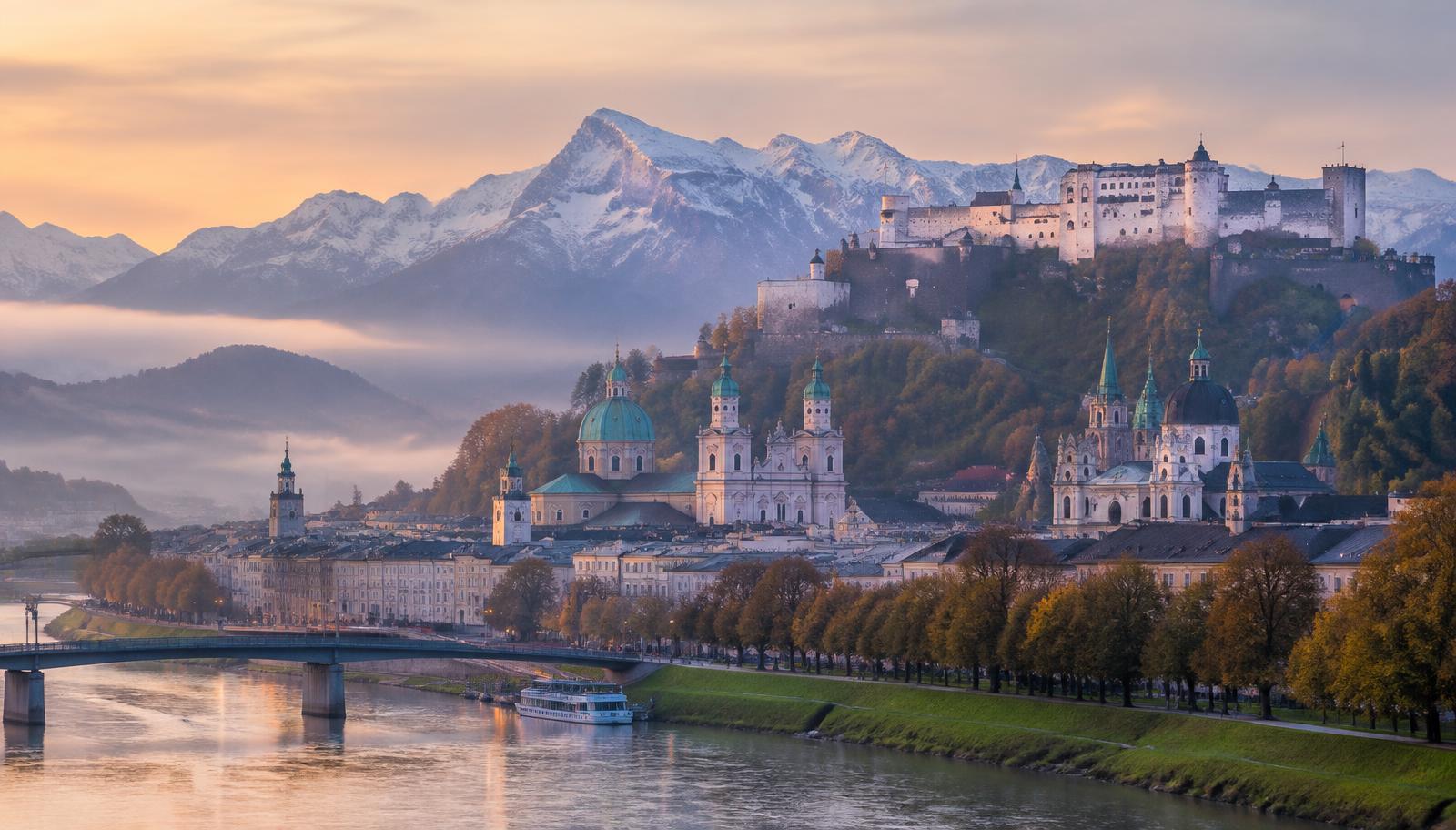
Salzburg at a Slower Pace: Baroque Squares, Hill Walks and Alpine Lakes
A slow guide to Salzburg: where to stay, a calm three-day rhythm, coffee-house culture, hilltop walks and gentle lake-district escapes.
· 7 min read
Travel
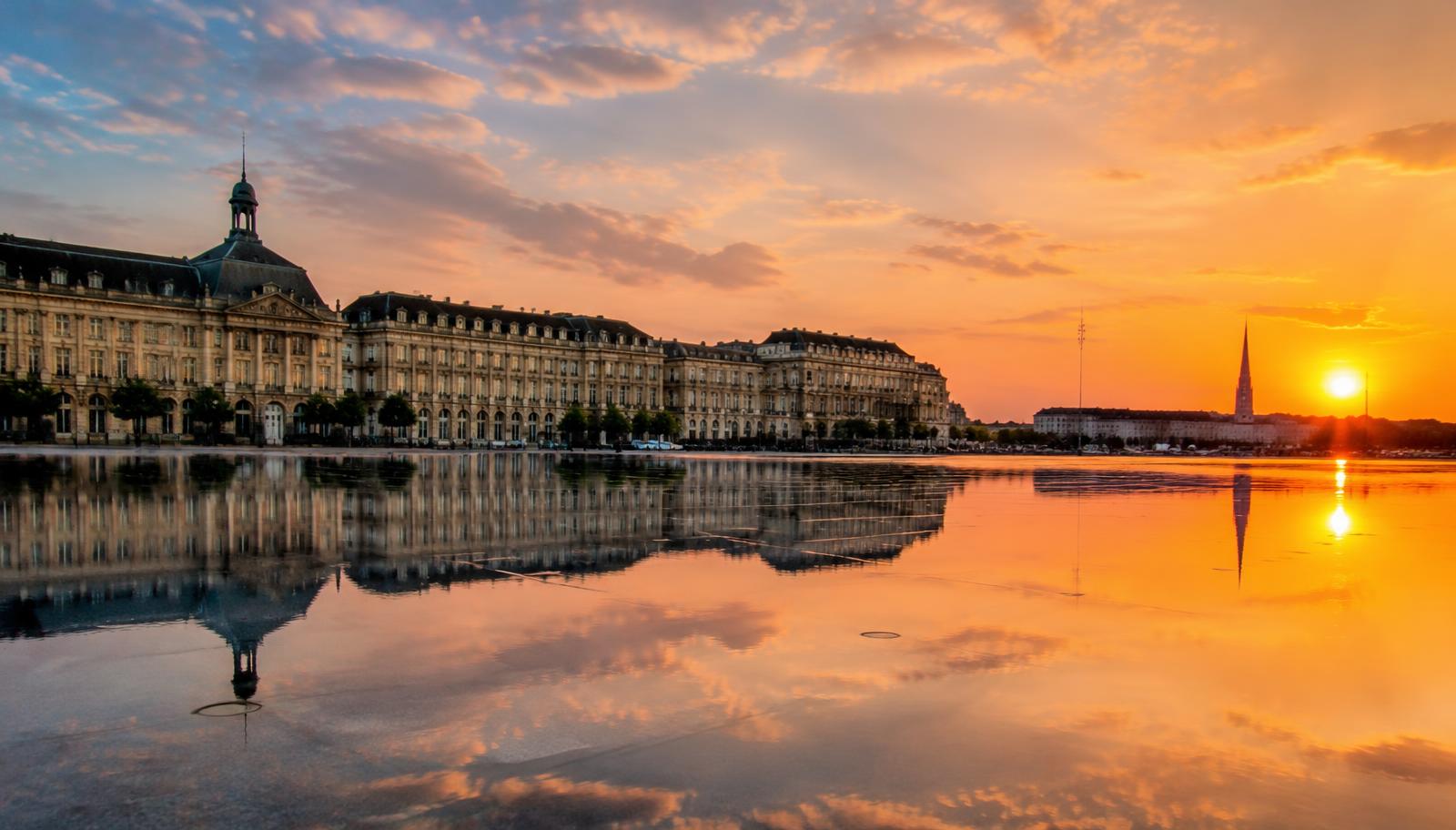
Bordeaux at a Slower Pace: Stone Streets, River Evenings and Wine Country
A slow guide to Bordeaux: where to stay, a relaxed three-day rhythm, markets, wine bars and easy trips to Saint-Émilion and the Atlantic coast.
· 7 min read