Dubrovnik Beyond the Checklist: A Slow Travel Guide
· 5 min read
Disclosure: Some links are affiliate links; we may earn a commission at no extra cost to you.
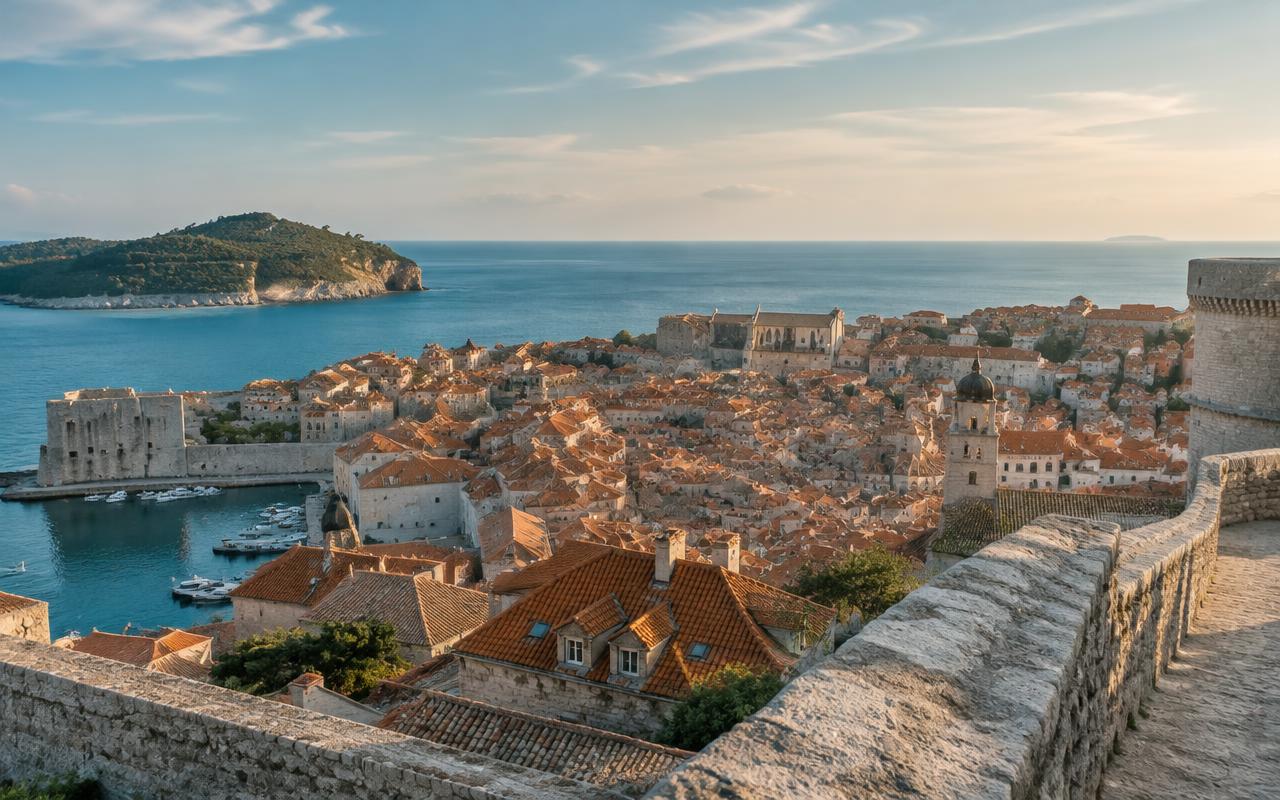
Dubrovnik is famous for its walls, and deservedly so — but the city that lives inside and around them rewards a slower kind of attention. A checklist visit queues at dawn, marches the ramparts and leaves by lunch. A slower visit lets you swim before breakfast, walk the walls at the hour that suits you, and end the day on a terrace where the sea does the talking.
This researched guide suggests three days with room to pause. It does not claim a personal visit, recommend a hotel we have tested or invent current prices. Use the official links for opening arrangements and transport information, and the booking partners to compare your own dates. Your energy, access needs and interests matter more than completing every suggestion here.
Find a base that suits your daily rhythm
Staying inside the old town puts you at the heart of everything, but the same lanes that charm by day can carry sound late into the night, and many rooms involve stairs. Read recent accommodation reviews for noise, steps and check-in arrangements, and ask exactly where the room sits before booking.
Lapad and the Babin Kuk peninsula, northwest of the old town, offer a more residential pace: beaches, promenades and hotels connected to the old town by local buses. Ploče, on the eastern side, balances hotel comfort with a shorter walk to the walls and views over the harbour. Whichever you choose, confirm the actual bus route and evening frequency rather than trusting a map's straight line.
Compare the complete room price, cancellation rules, tourist tax, breakfast and any cleaning charges. The hotel links at the end are general affiliate links: enter Dubrovnik and your travel dates before choosing. They are not claims that we stayed at a particular hotel, nor guarantees that one provider will always be cheapest.
Day one: the walls at the right hour
The city walls are Dubrovnik's defining experience. Walk them early at opening, or late in the afternoon when tour groups thin out; midday in summer is for shade and water, not ramparts. Check current ticketing and opening arrangements with the official Dubrovnik tourist board before building the day around them, since times and rules change with the season.
Take the full circuit slowly. The walls are a walk, not a race: viewpoints, rooftop terraces and small details — doorways, inscriptions, cats — reward attention. Bring water and a hat, wear real shoes, and be honest about the stairs; there are several flights' worth of climbing even though the route is short.
Afterwards, descend into the old town for a long lunch and a wander with no destination. Stradun is the famous spine, but the parallel lanes and the alleys climbing either side hold the quieter corners. Leave one small square for the evening, when the day-trippers have gone and the stone cools.
Day two: sea, lanes and a slower meal
Give the morning to the sea. Locals swim from rocky ledges and small beaches just outside the walls; bring or buy water shoes, and check what any chosen spot involves before committing. A morning swim followed by coffee is the most Dubrovnik thing you can do, and it costs almost nothing but time.
Spend the middle of the day indoors or in shade: a small museum, a church, a shaded courtyard. Do not try to see every museum — choose the one that genuinely interests you and read it properly. Check opening hours before going, since they vary by season and some sites close for a midday pause.
Boat trips to the nearby island can be a lovely half-day, but they are optional. If you go, check the current boat schedules and return times rather than relying on memory or a brochure, and keep the evening free so the day stays unhurried. If you stay in town instead, an afternoon gelato and a slow walk along the harbour will do the day no harm at all.
Day three: the hill, the harbour or the beach
Choose one main outing for the final day. The cable car to the hill above the city gives the classic rooftop view; check whether it is operating on your dates and what the summit involves before going. Alternatively, spend the day in Lapad: a promenade walk, a beach afternoon and an easy dinner within a few hundred metres.
A third option suits slower travellers best: repeat whatever you loved. A second wall walk at a different hour, a second swim at your ledge, a return to the bakery you liked on day one. Repetition is how a place turns from a destination into a memory.
Save the last evening for the harbour and the seafront stones outside the walls. Sit facing the water, order simply, and let the day end when it ends.
Give food room to be enjoyable
Dalmatian cooking leans on the sea: grilled fish, octopus, mussels and simple salads, with olive oil doing most of the work. Menus along the main street charge for the location; a lane or two away, the same ingredients often cost less and taste no worse. Check displayed prices before sitting down, and treat the cover charge you are quoted as part of the bill, not a surprise.
For a sweet pause, look for local pastries and gelato rather than imported brands. Ask about ingredients directly if you have allergies or dietary needs. We have not supplied supposedly current meal costs because no receipts or tested restaurant details were provided. Keep a note of what you actually pay if you want a useful record for a future visit.
Make practical choices before adding excursions
Dubrovnik is small, steep and seasonal. The old town has many steps, summer heat is serious, and cruise-ship arrivals can crowd the walls and gates for a few hours each morning. Check the ships' schedule if the crowds bother you, and plan your wall walk or gate photos around it rather than against it.
Keep belongings secure in crowds, stay aware of traffic on the roads outside the walls, and wear shoes that grip wet stone. Ask before taking portraits, and treat residents' doorways and courtyards as homes rather than photo sets. Day trips to nearby towns or Montenegro can deserve their own time; if you take one, replace something in the city rather than adding it to an already full day.
Book thoughtfully and keep exploring
Compare hotels through Agoda, Booking.com and Hotels.com, or browse apartments on Vrbo. Find optional guided activities through GetYourGuide. These affiliate links may earn us a commission. Check dates, location, cancellation terms and the final price before paying; no link guarantees the best deal.
For more Mediterranean slowness, explore our Athens guide and Rome guide. For everyday ideas after returning home, read Slow Living Between Trips. Dubrovnik does not need to be simplified into one neat impression. Give it enough time for different impressions to coexist: a rampart view, a cold swim, a careful meal and an unhurried look across the water.
Where to stay
Browse places to stay around Dubrovnik, Croatia. Prices change, so compare the live rate with the real price and dates shown above. Bookings made through these links may earn us a commission.
Related posts
Travel
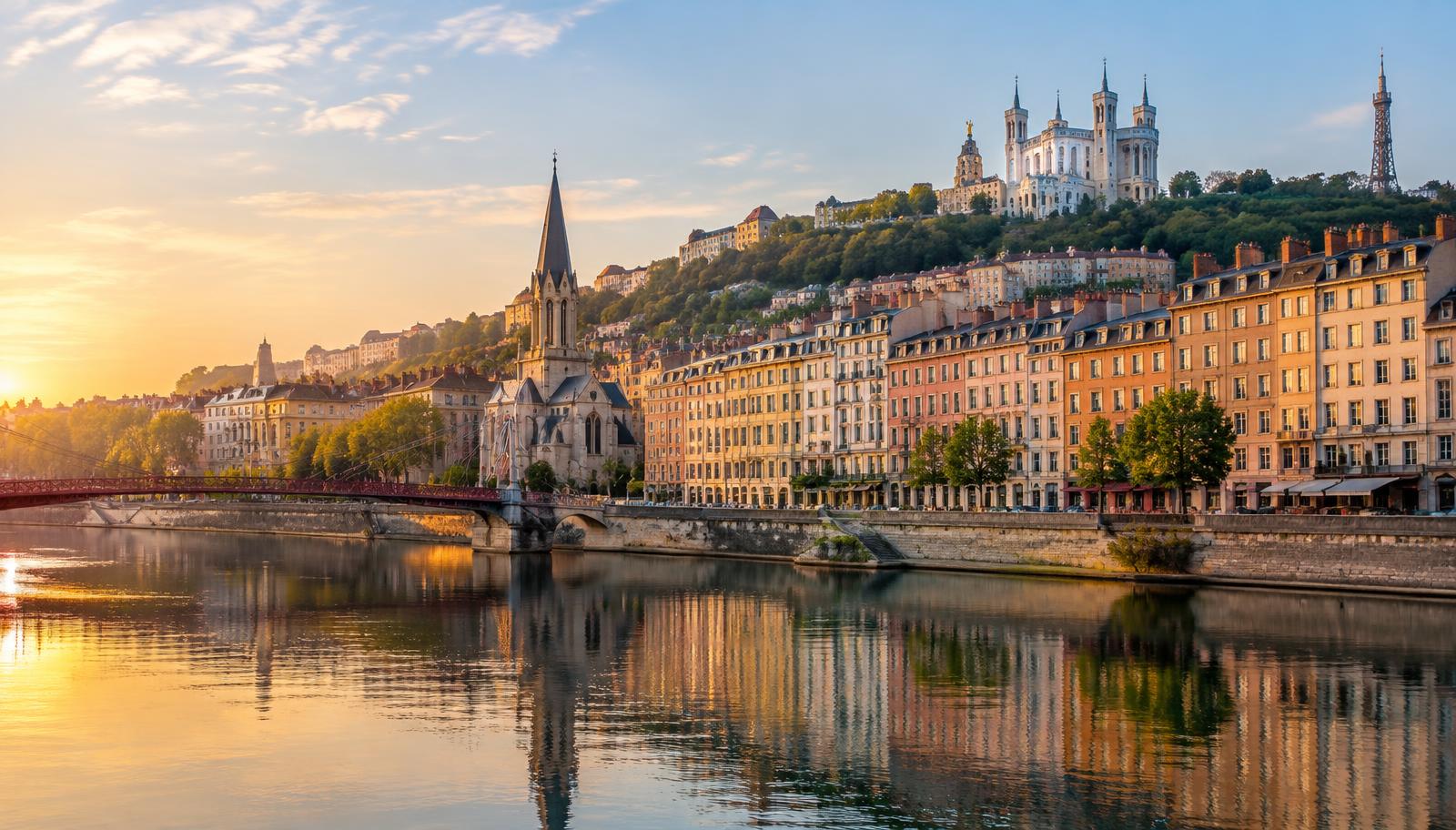
Lyon at a Slower Pace: Rivers, Markets and Long Lunches
A slow guide to Lyon: where to stay, a relaxed three-day rhythm, bouchons, markets, river walks and easy escapes to Beaujolais.
· 8 min read
Travel
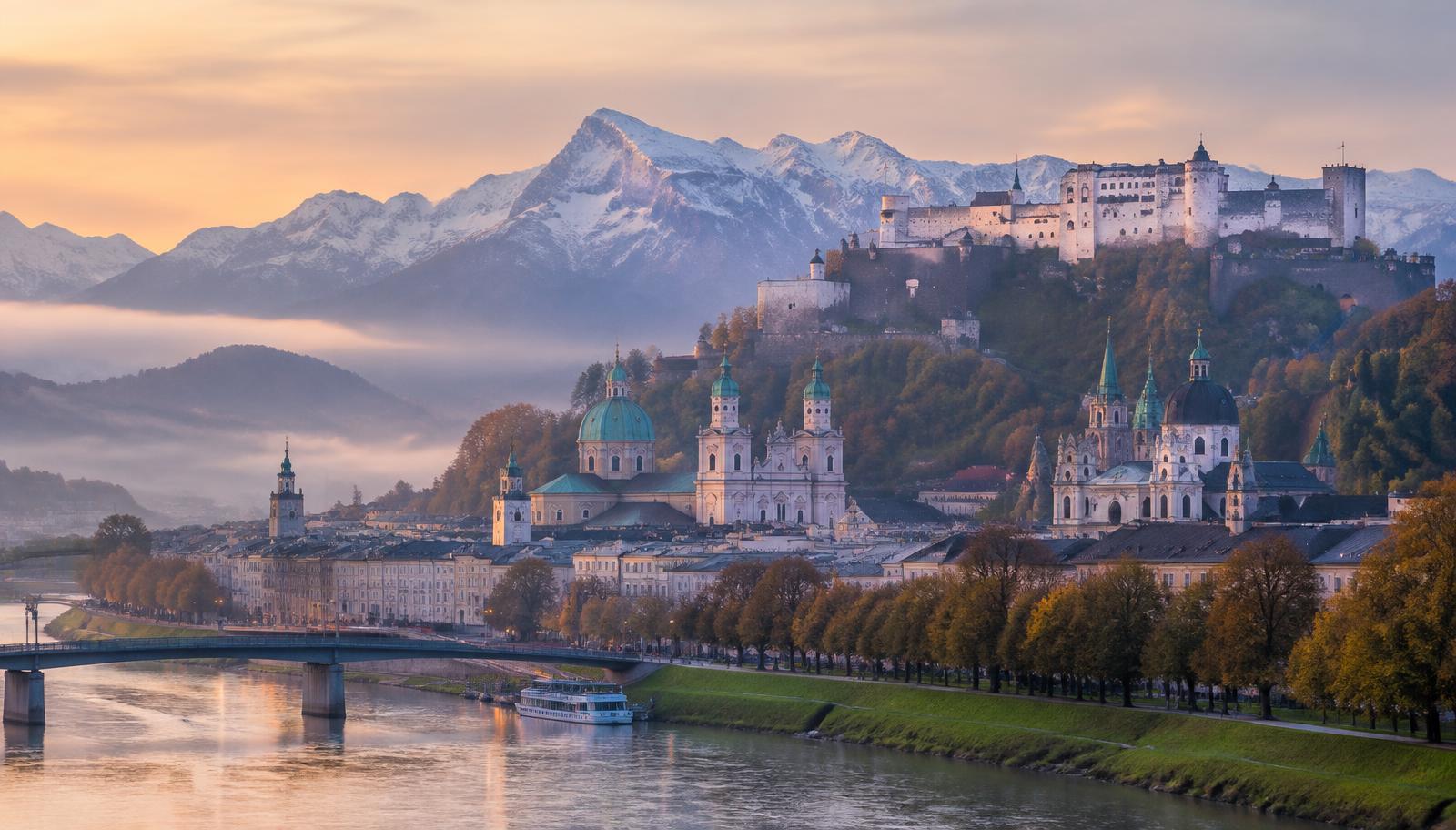
Salzburg at a Slower Pace: Baroque Squares, Hill Walks and Alpine Lakes
A slow guide to Salzburg: where to stay, a calm three-day rhythm, coffee-house culture, hilltop walks and gentle lake-district escapes.
· 7 min read
Travel
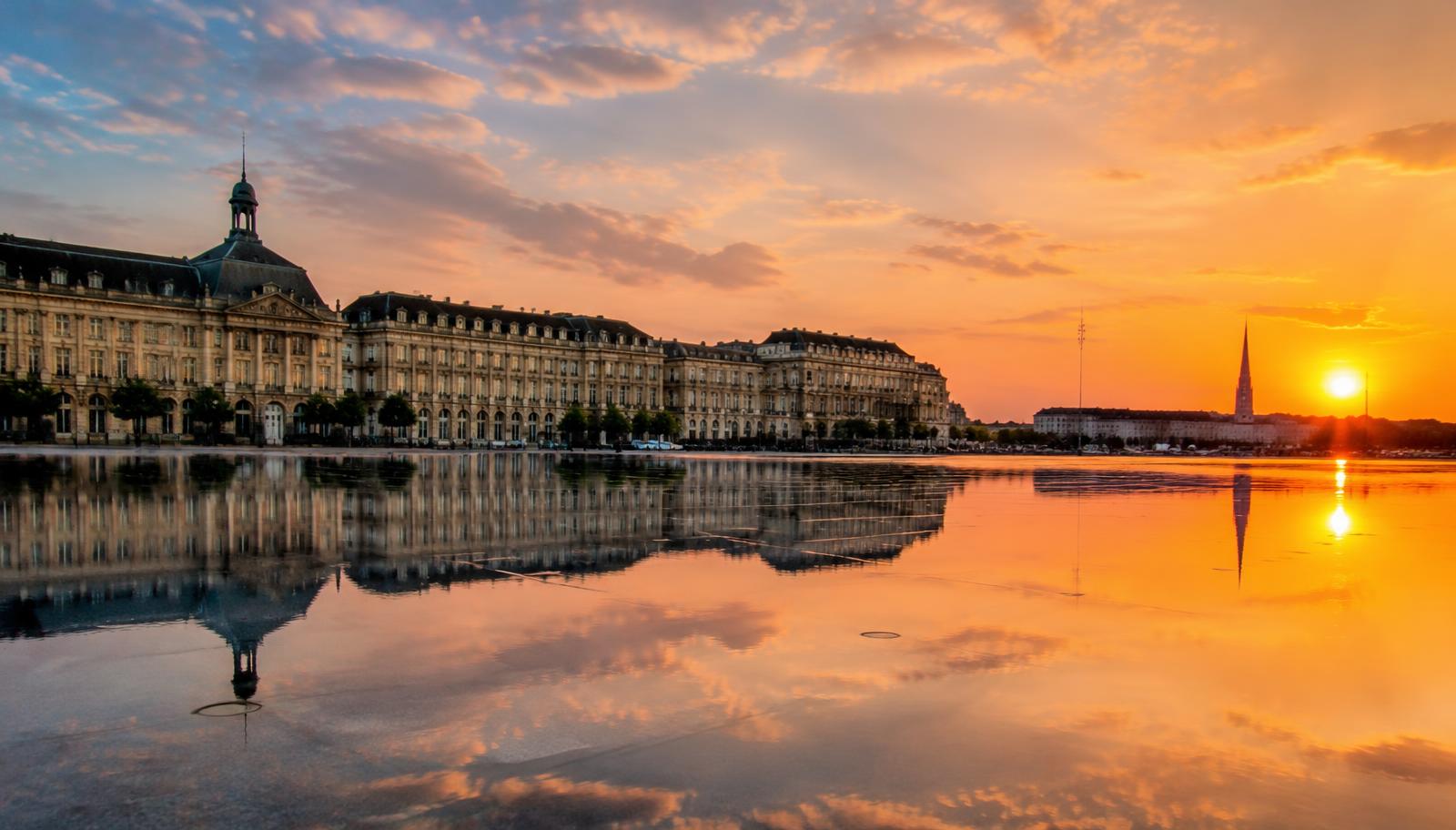
Bordeaux at a Slower Pace: Stone Streets, River Evenings and Wine Country
A slow guide to Bordeaux: where to stay, a relaxed three-day rhythm, markets, wine bars and easy trips to Saint-Émilion and the Atlantic coast.
· 7 min read