Amsterdam at a Slower Pace
· 8 min read
Disclosure: Some links are affiliate links; we may earn a commission at no extra cost to you.
Introduction
Amsterdam rewards the curious traveler who slows down. Instead of checking a long list of sights, a slower pace lets light on the canals, the rhythm of daily life, and quiet moments in courtyards and markets take center stage. This guide is for people who want to spend time in a few places, savor small routines, and leave with an impression shaped by observation rather than a checklist. You’ll find suggestions for choosing where to stay, moving around without haste, what to see at a relaxed tempo, how to eat like a local, a gentle three-day outline, and practical care and budgeting tips for a mindful visit.
Why fewer stops
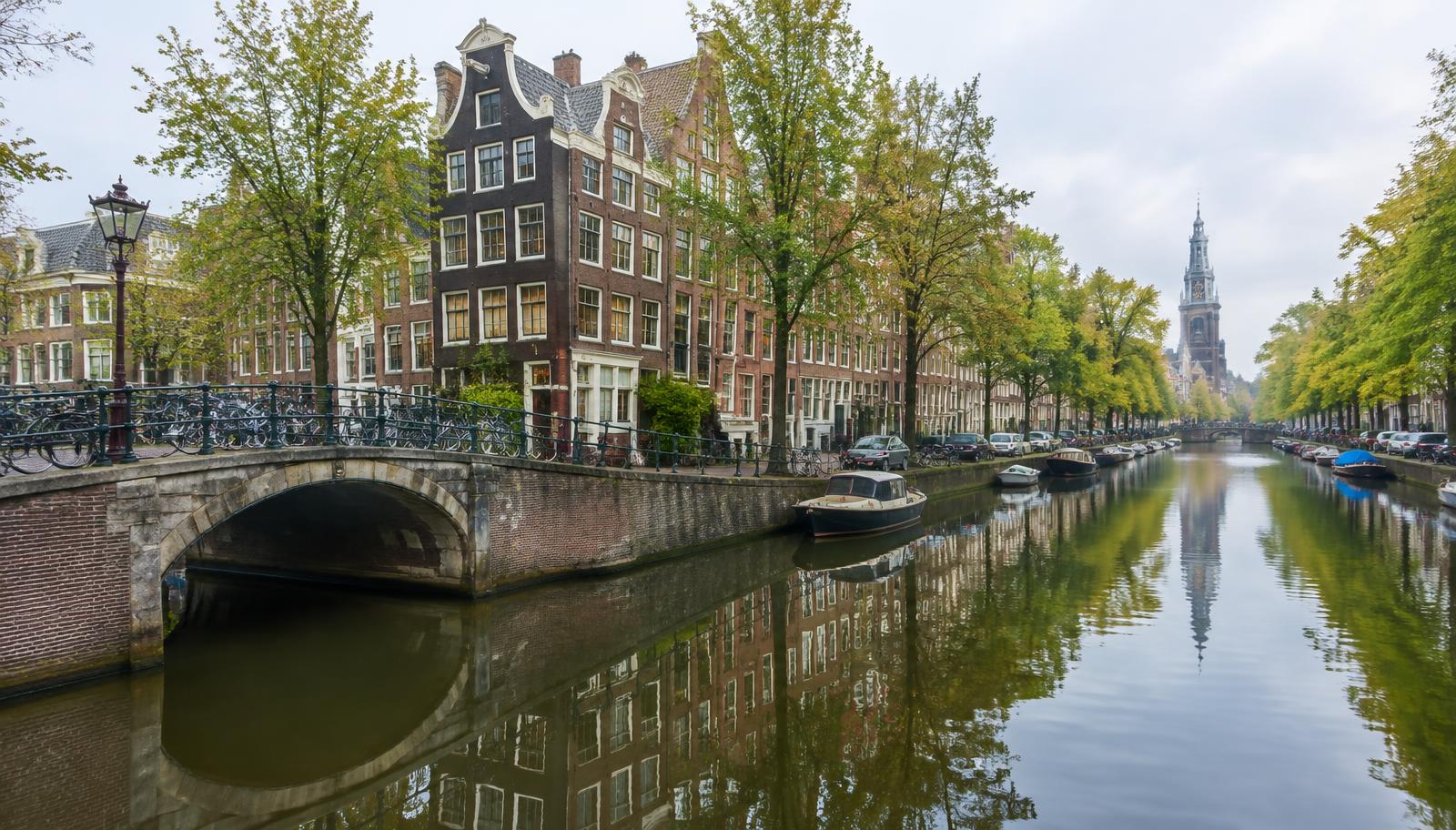
Rushing through dozens of attractions fragments your experience. Fewer stops mean you can notice textures and patterns: the way a boat ties up at a narrow bridge, the sound of bicycles on cobblestones, the variety of light across a canal at different hours. By spending more time in each place you’ll discover small, unexpected delights — a sunlit courtyard, a mural tucked down a side street, a market stall with a long line that signals something worth trying. Slower travel is about depth rather than breadth; it’s easier on the senses and often kinder to your budget and energy.
Choosing a neighbourhood to stay
Where you base yourself shapes how you’ll experience Amsterdam. Each neighbourhood has its own pace and personality.
- Jordaan: Narrow lanes, quiet courtyards and canal views. Suited to visitors who enjoy wandering artisan shops, independent galleries and a peaceful, historic atmosphere. It’s intimate and walkable.
- De Pijp: Lively and bohemian with plenty of cafes and a multicultural market vibe. Best for travelers who appreciate a neighbourhood with evening life, local markets, and a mix of old and new.
- Canal Belt (Grachtengordel): Central and picturesque, with iconic canal houses and easy access to many sights. Ideal for first-time visitors who want classic scenery and don’t mind being in a tourist-frequented area.
- Museumplein / Oud-Zuid: Close to major museums and leafy boulevards. Suited to those who plan to visit art collections and prefer a quieter, upscale residential feel in the evenings.
- Amsterdam Oost (East): Emerging, diverse and green with parks and a more local rhythm. Great for travelers seeking a neighborhood feel, smaller crowds and a variety of eateries.
- Oud-West and Haarlemmerbuurt: Local shopping streets, food markets and a relaxed, lived-in vibe. Good for people who enjoy neighborhood markets and easy tram connections.
- Red Light District / De Wallen: Historic and central with vibrant nighttime activity. Visit with awareness of its character; it can be suitable for those curious about city life and nightlife but might feel busy or noisy for light sleepers.
Pick a base that matches how you want to spend your days: quieter canals for relaxation, lively markets for food-focused exploration, or museum-rich streets for cultural immersion.
Getting around on foot and public transport
Walking is the heart of slow travel in Amsterdam. Many of the city’s charms are best experienced at walking pace where you’ll notice doorways, window displays and the cadence of daily life. Plan routes that follow canals or park pathways rather than cutting across blocks, and allow time for unplanned stops.
Public transport supplements walking. Trams and buses are frequent and reliable; they allow you to cross longer distances without losing the ease of a slow day. Use a single transfer rather than sprinting between attractions — the idea is to move gently and rest between sessions of walking or standing. Cycling is central to Amsterdam life; if you’re comfortable on a bike, a relaxed ride can be a lovely way to cover neighborhoods, though it adds a bit more pace and requires attention to local rules. Ferries across the IJ (to/from Amsterdam Noord) are a calm, scenic option and feel like part of the city’s daily rhythm.
Plan travel in blocks: spend a morning in one neighborhood on foot, take a tram for an afternoon stroll elsewhere, and reserve one evening to return to your base for a slow dinner and neighborhood walk.
Things to see slowly
Choose well-known places but see them in segments rather than in a rush.
- The Canal Belt (Grachtengordel): Walk a single canal — pick one like the Herengracht or Keizersgracht — and follow it slowly. Pause by bridges to watch reflections and small boats. Look up at gables and notice variations in house fronts.
- Anne Frank House area: Rather than queuing for a quick visit, balance a visit to the area with time in the surrounding Jordaan streets and muted courtyards, creating a reflective, unhurried experience.
- Museumplein and the Rijksmuseum / Van Gogh Museum vicinity: Spend time in the green space outside, sit, sketch or read, and return to a single gallery at a gentle pace rather than trying to see every hall.
- Vondelpark: Treat this large park like a day-long refuge. Pack a small picnic, walk the winding paths, and watch life unfold from a bench.
- Dam Square and Royal Palace area: Observe the architecture, the rhythm of passing trams and the mix of locals and visitors from the edges rather than staying in the center of the crowd.
- Jordaan neighbourhood lanes: Wander and let small galleries, boutique shops and quiet courtyards slow your steps.
- Haarlemmerstraat and Haarlemmerdijk: Known for shopping and lively streets, these are ideal for an unhurried stroll and window shopping.
- Eastern Docklands and Amsterdam Noord: Walk along regenerated waterfronts, take a ferry, and enjoy the shift from old port structures to modern developments.
Seeing slowly means committing to one or two of these areas each day and allowing pauses for observation, photography without hurry, and spontaneous discoveries.
What and how to eat
Eating slowly is central to the experience. Dutch cuisine includes comforting, straightforward dishes and a thriving market and cafe culture that encourages lingering.
- Typical local dishes: Try simple staples like hearty stews, cheese varieties with slices of bread, and baked goods such as stroopwafels and other pastries. Savory options often include potato-based preparations, open sandwiches and small plates meant for sharing.
- Market culture: Markets are social places where locals meet, shop and eat. Visit a neighborhood market to sample street food, fresh produce and regional specialties. Slow travel favors sitting at a stall-adjacent bench or in a small square rather than rushing from stall to stall.
- Cafe culture: Cafes are for long coffees, quiet reading or watching the city pass by. Order a warm drink and a pastry, and allow an hour or two to observe canal life. People-watching is a key part of the local ritual.
- Meal rhythm: Dutch dining can be relaxed. Lunch is often a light, open-faced sandwich or soup; dinner may be heartier and shared more communally. Embrace the pace: linger over bread, cheese and small plates, and use mealtimes to rest and plan the next slow walk.
Avoid seeking out “must-visit” restaurants; instead, trust neighbourhood cafes, market stalls and bakeries that draw a steady local clientele. Food is an opportunity to sit, savor and connect with the neighborhood’s tempo.
A gentle three-day outline
Day 1: Canal-side immersion
- Morning: Settle into your neighbourhood, then begin with a slow canal walk. Pause at a bridge, watch boats, and step into a small shop or gallery.
- Afternoon: Have a long cafe lunch, then continue along another stretch of canal, choosing streets that branch off the main tourist paths. End with a sunset bench moment by the water.
- Evening: Return to your neighbourhood for a leisurely stroll and an easy meal, followed by a quiet drink or a riverside walk.
Day 2: Museum and park rhythm
- Morning: Spend a few hours on Museumplein. Choose one museum to enter and move at a relaxed pace, alternating time inside with sitting outside in the green.
- Afternoon: Walk through Vondelpark, picnic if the weather allows, and explore nearby streets in Oud-Zuid or Oud-West for small shops and bakeries.
- Evening: Experience an unhurried evening in De Pijp or another lively neighborhood, dining in a way that lets you linger and people-watch.
Day 3: Markets, bridges and local life
- Morning: Visit a neighborhood market. Sample a few local bites, buy a fresh loaf or cheese, and take time to stand or sit and watch market rhythms.
- Afternoon: Cross to an area like Amsterdam Noord or the Eastern Docklands by ferry if you want a change of perspective. Walk the waterfront, observe old port architecture, and return via a slow tram ride.
- Evening: Choose a quiet canal for your final night, walk its embankments and let the city reveal itself in its evening light before a relaxed final meal.
This outline leaves space for optional naps, detours and extended pauses—key elements of slow travel.
Practical care and budgeting tips
- Choose accommodation with a small kitchen or breakfast option to ease meal costs and enable slow mornings. Even preparing simple breakfasts allows for a relaxed start to the day.
- Buy a day or multi-day transit pass only if it suits your pace; walking many distances can reduce transport needs. Consider a few point-to-point tickets for occasional trams instead of an all-access pass if you prefer to mix walking and public transport.
- Carry a reusable water bottle, small umbrella and a lightweight scarf; Amsterdam weather changes and being prepared keeps your day gentle.
- Wear comfortable shoes and layered clothing to stay comfortable during long walks. Slower travel lets you focus on comfort over fashion.
- Plan fewer paid attractions and more free experiences: parks, canalside walks, window shopping and neighborhoods cost little and reward patient attention.
- Keep a small buffer in your budget for spontaneous experiences — a unique market find, a museum ticket you decide to purchase, or a boat trip if you choose one later in your stay.
- Be mindful of peak travel times if you prefer quieter streets — early mornings and late afternoons often offer softer light and fewer crowds.
- Respect local customs and traffic norms, especially the bicycle lanes; moving at a leisurely pace is also about being considerate of how you share space.
Conclusion
Amsterdam at a slower pace is about letting the city unfold, not extracting every sight in a tight schedule. Base yourself in a neighbourhood that suits your rhythm, walk where you can, rest often, and use public transport for longer or gentler transitions. Focus on a handful of well-known areas and allow time to observe, eat, read and linger. In doing so, the city’s quieter moments — a canal reflected in evening light, a market stall’s steady line, a park bench conversation — become the memories you carry home. Slow travel here is not about missing out; it’s about making room for discovery.
Where to stay
Browse places to stay around Amsterdam, Netherlands. Prices change, so compare the live rate with the real price and dates shown above. Bookings made through these links may earn us a commission.
Related posts
Travel
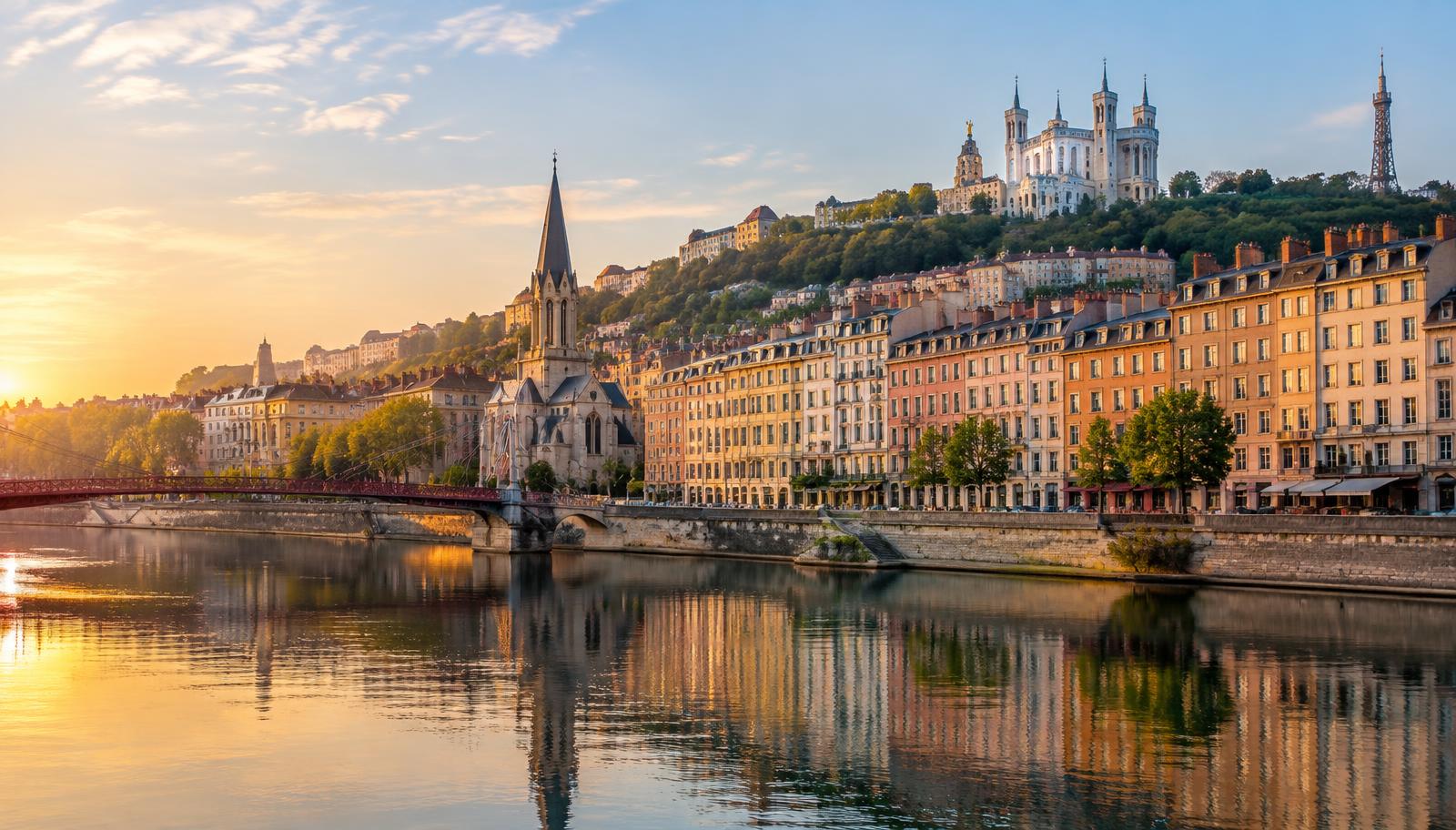
Lyon at a Slower Pace: Rivers, Markets and Long Lunches
A slow guide to Lyon: where to stay, a relaxed three-day rhythm, bouchons, markets, river walks and easy escapes to Beaujolais.
· 8 min read
Travel
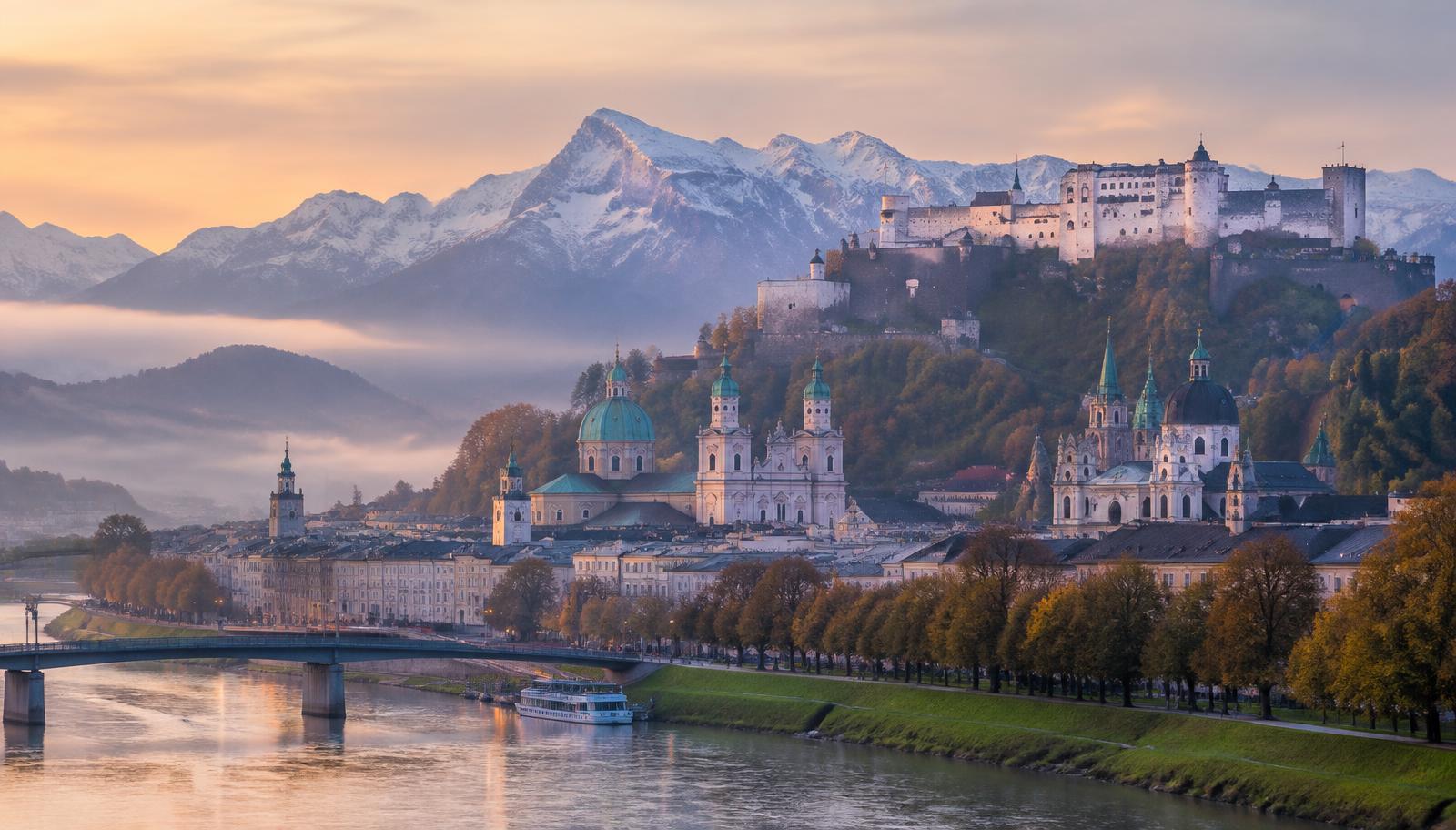
Salzburg at a Slower Pace: Baroque Squares, Hill Walks and Alpine Lakes
A slow guide to Salzburg: where to stay, a calm three-day rhythm, coffee-house culture, hilltop walks and gentle lake-district escapes.
· 7 min read
Travel
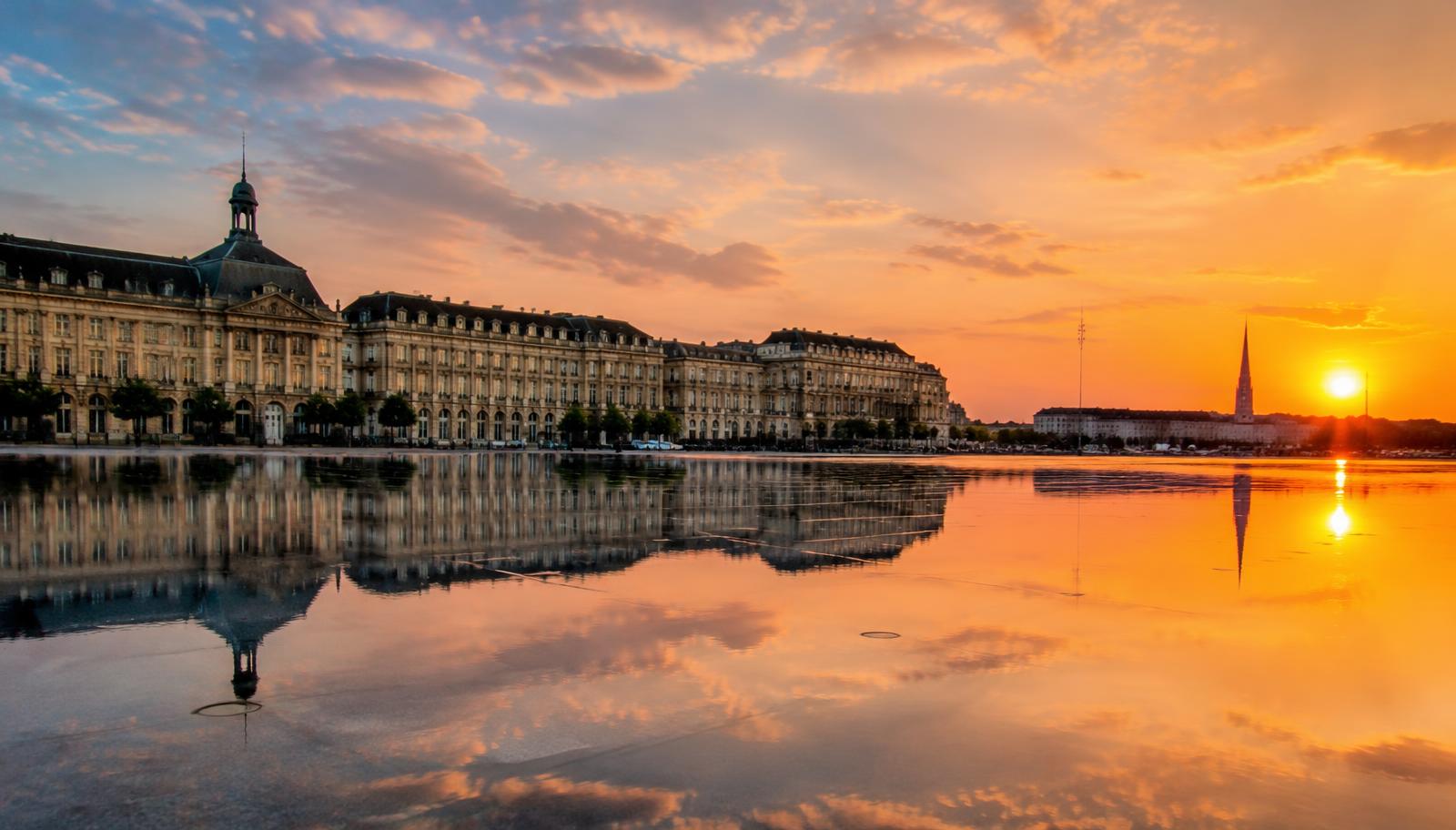
Bordeaux at a Slower Pace: Stone Streets, River Evenings and Wine Country
A slow guide to Bordeaux: where to stay, a relaxed three-day rhythm, markets, wine bars and easy trips to Saint-Émilion and the Atlantic coast.
· 7 min read