Copenhagen at a Slower Pace
· 7 min read
Disclosure: Some links are affiliate links; we may earn a commission at no extra cost to you.
Introduction
Copenhagen reveals itself best when given time. The city rewards a slower pace: mornings that begin in neighborhood cafés, afternoons spent meandering by canals or in leafy parks, and evenings with simple, well-made food. Slow travel here is less about checking off landmarks and more about aligning with local rhythms—walking, pausing, listening, and tasting. This guide offers a calm approach to Copenhagen that centers neighborhood life, deliberate movement, and savoring details.
Why fewer stops
Fewer stops mean deeper noticing. When you resist the urge to cram every attraction into a day, the ordinary scenes—the light on cobblestones, the creak of a bicycle, a baker shaping dough—start to matter. A compact itinerary lets you revisit a favorite café, spend hours in a museum without rushing, or simply sit by the water and watch the city go by. That unhurried attention transforms travel from a checklist into a collection of memorable moments.
Choosing a neighbourhood to stay
Picking a base can shape the mood of a visit. Here are well-known neighbourhoods and who they suit:
Indre By (City Centre): For first-timers who want to be within easy walking distance of major sights, straightforward shopping streets, and historic squares. Suits travellers who prefer to walk almost everywhere and enjoy a lively urban core.
Vesterbro: Once industrial, now a stylish mix of eateries, bars, and creative shops. Suits those who like a neighborhood with an evening scene that still feels local—cool yet comfortable.
Nørrebro: Diverse, energetic, and full of independent shops, cafés, and parks. Suits curious travellers who enjoy multicultural street life, vintage shops, and long café conversations.
Christianshavn: Known for its canals and island-like feel, with narrow streets and maritime atmosphere. Suits visitors who like waterside walks, quieter nights, and a village-like environment within the city.
Østerbro: Calm, green, and family-friendly, with parks and a relaxed tempo. Suits families or anyone preferring spacious streets, playgrounds, and a slower rhythm.
Frederiksberg: A distinct, leafy enclave with gardens and elegant avenues. Suits travellers wanting a refined, residential feel while still being well connected to the city centre.
Choose a neighbourhood that complements your pace: if you want long morning strolls and late café afternoons, pick a quieter area; if you enjoy short walks to museums and restaurants, a central base may be right.
Getting around on foot and public transport
Copenhagen is exceptionally walkable, with many major sights connected by pleasant pedestrian routes. Walking will be your best way to move slowly and notice details. Expect well-maintained pavements and plenty of benches for mid-walk rests.
Public transport—metro, trains, and buses—fills in longer gaps. The metro is efficient and frequent, making it easy to hop between districts without losing time. Buses provide direct links where the metro doesn't reach. A simple travel pass for the number of days you plan to stay can reduce friction, and contactless card payments are widely accepted.
One important local note: bicycles dominate the streets. Cycling lanes are separated and swift; as a walker, be mindful of bike lanes and crossings. If you opt to cycle yourself, start gently—choose quieter routes and keep to a comfortable tempo. For slow travel, let public transport handle the longer hops and let your feet handle the short journeys.
Things to see slowly
Slow travel changes how landmarks feel. Rather than rushing through, choose a handful of well-known places and allow time to sit, read, or people-watch.
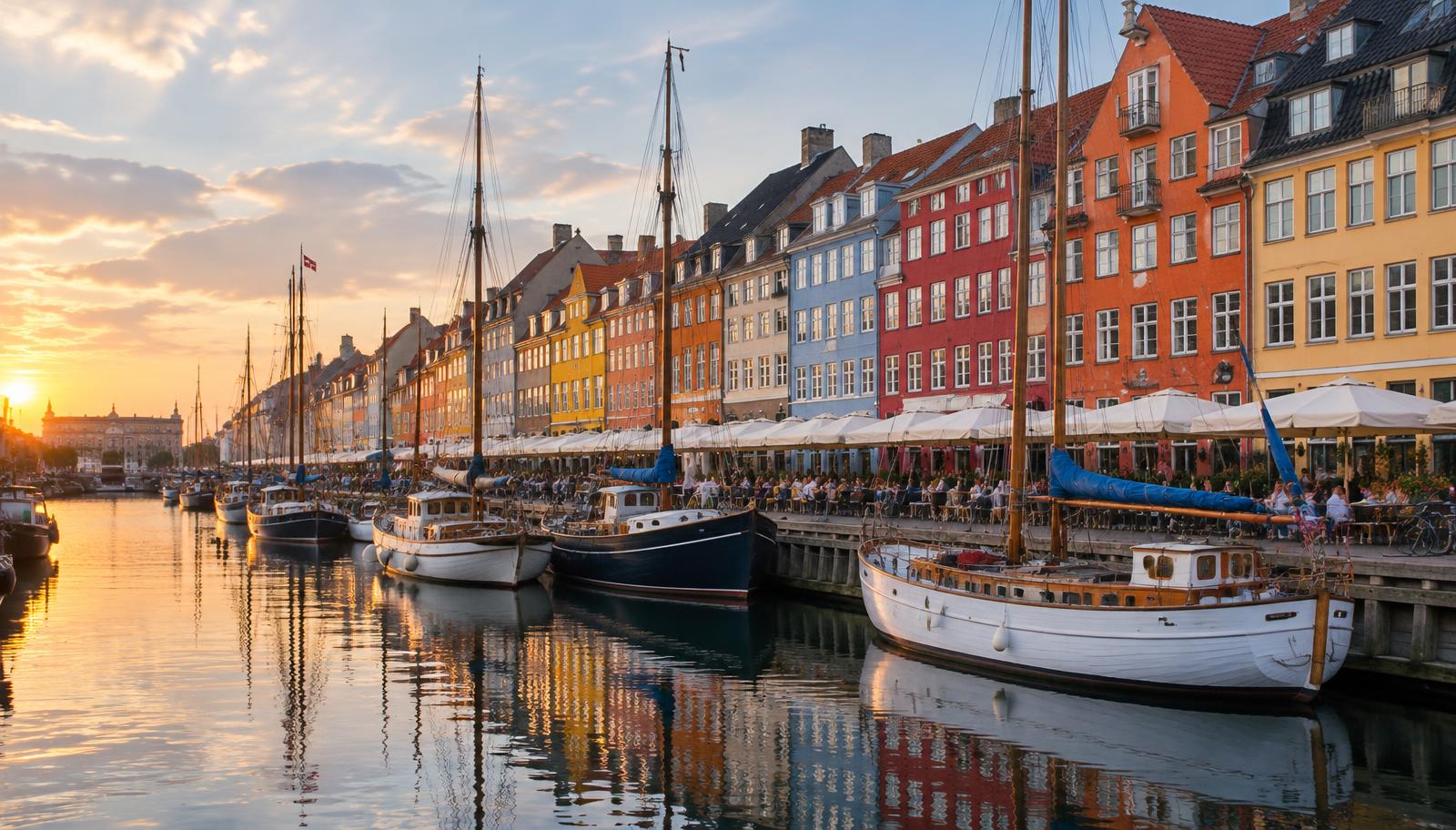
Nyhavn: The colorful harbourfront is best enjoyed from a bench or a canal-side stroll. Watch boats glide by, notice the architecture, and linger over the reflections in the water.
Tivoli Gardens: A historic pleasure garden that mixes rides with seasonal plantings and cozy corners. Visit when you can take it easy—an evening stroll here has a different charm than a hurried daytime visit.
The Little Mermaid: Famous and small; approach it as a contemplative moment by the water rather than a long stop. Pair it with a walk along the harbour.
Rosenborg Castle and the King’s Garden: The gardens are ideal for a relaxed picnic or a lie-down on the lawn. The castle courtyard can be observed slowly from a bench before deciding whether to enter.
Amalienborg and the Royal District: The square and surrounding architecture reward a calm pace—observe the changing light on stone façades and the measured composure of the plaza.
Strøget and the Round Tower: The long shopping street invites window-gazing and people-watching; the Round Tower offers a gentle climb with a wide ramp and a quiet viewing space at the top.
Christiansborg and the palace area: The nearby canals and bridges offer peaceful walking loops.
National museums and art collections: Spend hours with a few works rather than skimming everything; the city’s museums are well-suited to slow, reflective visits.
Assistens Cemetery and local parks: A cemetery that doubles as a park invites long, reflective walks among trees and sculptured graves.
Islands Brygge and harbor baths: On warm days, the harbor front and baths are places to sit with bare feet in the sun or watch local life unfold.
Avoid trying to gather every famous spot. Pick a handful and spend meaningful time at each.
What and how to eat
Danish food culture centers on fresh ingredients, simple techniques, and convivial cafés. Slow eating here means lingering over layers of flavor—salted or pickled fish, dark rye bread topped with careful garnishes, and pastries that are best enjoyed fresh and unhurried.
Typical local dishes to seek out:
- Open-faced rye bread sandwiches (smørrebrød) with varied toppings from simple to elaborate. They are meant to be savored slowly, bite by bite.
- Pickled herring in several preparations—an everyday delicacy best tried with bread and quiet appreciation.
- Meatballs (frikadeller) and other homestyle preparations for a taste of Danish comfort food.
- Freshly baked pastries and breakfast breads: mornings in Copenhagen often begin with a pastry and coffee at a neighborhood café.
- Seasonal vegetables and fish prepared with care—restaurants and market kitchens often highlight what’s fresh.
Market halls and food markets are part of city life. They’re places to browse slowly, sample small bites, and sit at communal tables while watching the rhythm of trade and conversation. Café culture is strong: cafés are places to read, plan, or simply watch the street while enjoying single-origin coffee or a cappuccino.
Eating slowly also means choosing to dine without a tight schedule—book time for a long lunch or a relaxed dinner, and allow the meal to be a pause in the day rather than a task.
A gentle three-day outline
This outline is paced for slow discovery rather than exhaustive sightseeing.
Day 1 — The historic heart:
- Morning: Start with a slow walk through the city centre, linger at a bakery for breakfast, then stroll Strøget and the Round Tower area.
- Afternoon: Meander toward Rosenborg and the King’s Garden. Find a bench, picnic, or sit in a café nearby for an unhurried afternoon.
- Evening: Walk along the canals near Nyhavn at leisure, choosing a quiet spot to watch boats and lights.
Day 2 — Neighborhood life and markets:
- Morning: Head to a neighborhood market or covered food hall to taste local produce and pastries; sip coffee and people-watch.
- Afternoon: Explore Nørrebro or Vesterbro on foot—wander side streets, visit independent shops, and spend time in a local park or cemetery.
- Evening: Enjoy an early evening canal-side stroll in Christianshavn or a slow walk near Islands Brygge, taking time to sit near the water.
Day 3 — Art, parks, and the waterfront:
- Morning: Choose a museum or collection and spend a slow morning with a few works that interest you rather than attempting everything.
- Afternoon: Visit the harbor front and any nearby gardens or parklands; relax by the water, dip hands in the shallows, or take a gentle boat glide if it suits your pace.
- Evening: Finish with a relaxed café dinner or a quiet dessert; let the final night be calm and reflective.
Adjust each day by your energy: fewer stops, more pauses. Rest is part of the plan.
Practical care and budgeting tips
Slow travel often saves money and stress, but a few practical notes help it stay gentle:
- Pack for layers. Copenhagen’s weather can shift; breathable outer layers and a compact umbrella make outdoor pauses comfortable.
- Be mindful of bicycles and tram tracks. Stay aware at crossings and keep to pedestrian paths to move smoothly.
- Use a transport pass or contactless payments for easy metro and bus travel. This reduces small transactions and helps you hop on and off without fuss.
- Budget time, not just money. Allow extra minutes between stops for detours, café breaks, and bookstore browsing.
- Bring a reusable water bottle and a small tote for market purchases to reduce single-use items and make shopping easier.
- Respect local customs: quiet conversations in public transport, tidy queues, and polite, concise interactions are common.
- For money matters, cash is accepted in many places, but cards are widely used. Choose a banking option that minimizes fees for contactless payments or withdrawals.
- If visiting in high season, secure accommodation early; if slower seasons appeal, you may find more space and calm.
Conclusion
Copenhagen at a slower pace is about choosing quality over quantity. It’s about letting the city’s rhythm—its canals, parks, cafés, and neighborhoods—set the tempo for your days. Move on foot when you can, linger where a street or view invites, and treat meals and museum visits as opportunities to breathe and reflect. With fewer stops and more time in each place, the city opens up: light on the water gains meaning, conversations in cafés become part of the memory, and small discoveries accumulate into a lasting impression.
Where to stay
Browse places to stay around Copenhagen, Denmark. Prices change, so compare the live rate with the real price and dates shown above. Bookings made through these links may earn us a commission.
Related posts
Travel
Lyon at a Slower Pace: Rivers, Markets and Long Lunches
A slow guide to Lyon: where to stay, a relaxed three-day rhythm, bouchons, markets, river walks and easy escapes to Beaujolais.
· 8 min read
Travel
Salzburg at a Slower Pace: Baroque Squares, Hill Walks and Alpine Lakes
A slow guide to Salzburg: where to stay, a calm three-day rhythm, coffee-house culture, hilltop walks and gentle lake-district escapes.
· 7 min read
Travel
Bordeaux at a Slower Pace: Stone Streets, River Evenings and Wine Country
A slow guide to Bordeaux: where to stay, a relaxed three-day rhythm, markets, wine bars and easy trips to Saint-Émilion and the Atlantic coast.
· 7 min read