Stockholm at an Unhurried Pace: A Slow Travel Guide
· 7 min read
Disclosure: Some links are affiliate links; we may earn a commission at no extra cost to you.
Choose a base that suits your rhythm
Stockholm spreads across islands, so choosing a base is less about being beside every attraction than finding a neighborhood you enjoy returning to. Norrmalm is convenient for the central railway station and many transport connections. Its busier streets suit travelers who value straightforward arrivals, although accommodation on a quieter side street may offer a more restful setting.
Gamla Stan places you among the old town’s narrow lanes and historic buildings. It is atmospheric, but cobbles, steps and visitor traffic can make daily movement less effortless than a map suggests. Check access carefully if you have heavy luggage or limited mobility.
Södermalm offers residential streets, cafés and elevated viewpoints, with lively areas balanced by quieter pockets. Vasastan is another appealing choice for a neighborhood feel, while Östermalm combines broad streets with access toward Djurgården. Rather than chasing the most central address, look for a nearby metro station, somewhere to buy breakfast, and a pleasant walk close to your door. Before booking, check stairs, lift access and whether windows face a busy road.
Walk between islands, then let public transport help
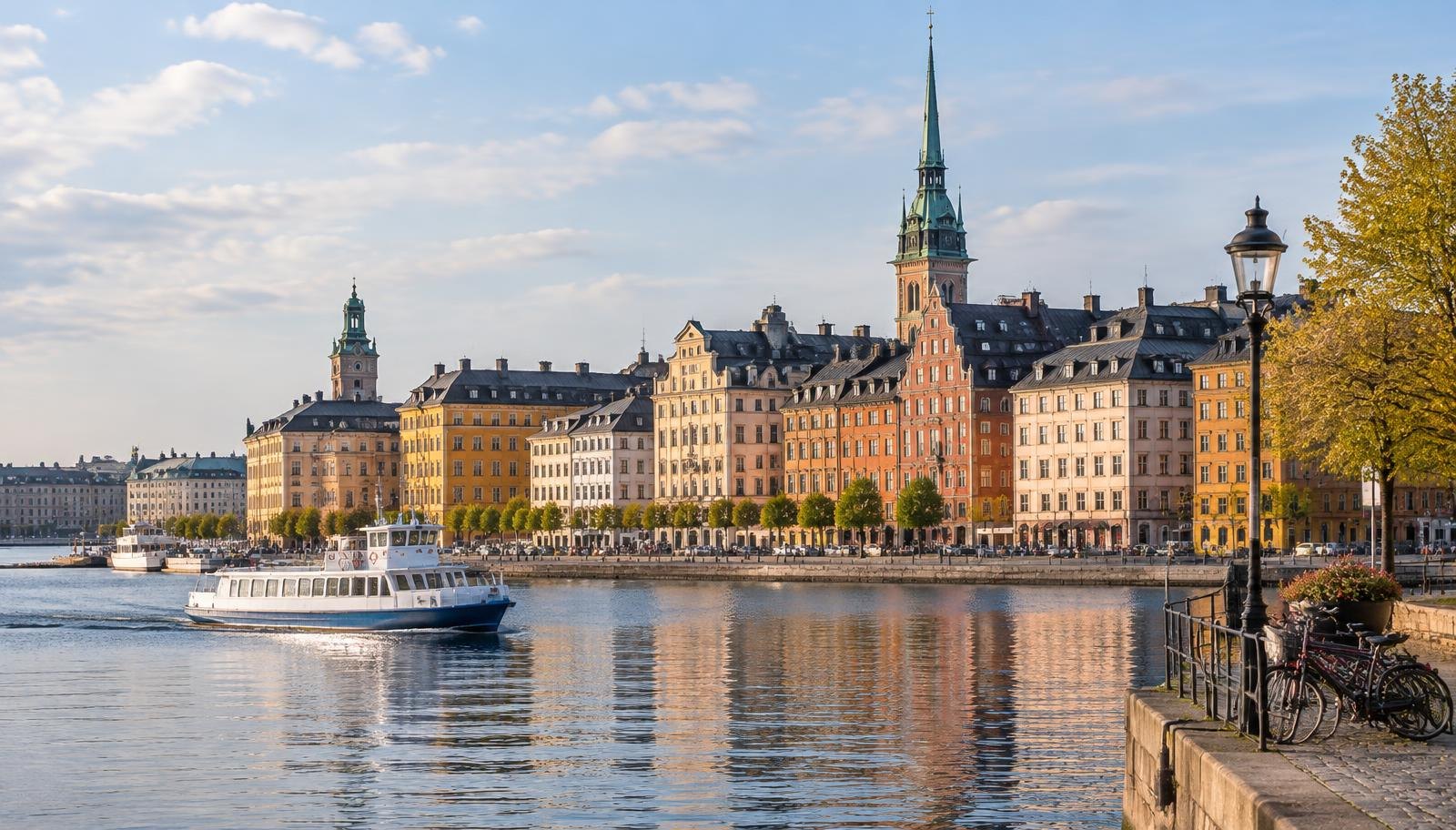
Stockholm rewards walking, especially where bridges connect different views of the water. Distances can nevertheless become substantial when several islands are involved. Plan a walk around one district or a pair of neighboring districts, then use public transport for the return rather than treating every journey as another sightseeing task.
The SL network includes the metro, buses, trams, commuter trains and some passenger ferries. Ticket rules differ from those of sightseeing boats and other ferry operators, so confirm that your chosen service is included before boarding. Airport journeys also require attention: different routes have different ticket arrangements and may involve supplements.
Use current journey information rather than assuming a waterfront route runs throughout the year. A ferry can provide a lovely change of perspective, but it is still transport with a timetable. On foot, watch for cycle lanes and avoid stopping in them for photographs. Comfortable shoes with reliable grip are useful on old paving, wet quays and winter streets. Allow extra time whenever a route includes hills or steps.
Give the major sights room to breathe
Gamla Stan deserves more than a quick passage between landmarks. Explore the lanes around Stortorget, notice the changing scale of the streets, and step away from the busiest approaches to the Royal Palace. The palace remains a working royal residence; visitor access and ceremonial arrangements should be checked close to your visit.
On Djurgården, the Vasa Museum centers on a seventeenth-century warship recovered from Stockholm’s harbor. It is a substantial visit rather than a short stop between several other museums. Nearby, Skansen combines an open-air museum with living traditions and Nordic animals. Much of the experience is outdoors, making weather and walking tolerance important considerations.
Stockholm City Hall, on Kungsholmen, is another distinctive landmark. Interior visits depend on organized access, so do not assume you can wander inside independently. Its waterfront setting can still anchor a relaxed walk. Across the city, smaller observations matter too: a doorway, a public garden, a stretch of reflected light. Choose one major interior visit per day and leave enough space to enjoy what lies between destinations without rushing onward.
Make time for food and fika
Fika is a social pause over coffee or another drink, often accompanied by something sweet. For a visitor, its greatest value may be the permission to stop. Sit down, put away the route plan, and let a cinnamon or cardamom bun become part of the afternoon rather than fuel for the next attraction.
Swedish food culture includes fish, potatoes, rye breads, dairy products, preserves and seasonal produce. Herring, salmon and meatballs are familiar dishes, but Stockholm’s everyday eating is much broader, shaped by international communities and contemporary cooking. Vegetarian and vegan choices are available, though individual menus vary.
A food hall can help you explore ingredients and prepared dishes without committing the whole day to a formal meal. Check menus for allergens and ask directly about preparation if a restriction is important. Service is generally included in restaurant bills; additional tipping is discretionary. For a modest, unrushed lunch, consider buying picnic ingredients and finding an appropriate public spot, taking all packaging away afterward.
Day one: settle into the old town and waterfront
Begin with a gentle exploration of Gamla Stan. Start around Stortorget, then follow smaller lanes toward the waterfront, allowing curiosity rather than a checklist to determine the exact route. Early in the day, ordinary deliveries and residents’ routines share these streets with visitors. Keep doorways clear and remember that the old town is a neighborhood as well as a historic setting.
Choose either a palace visit or more time outdoors. Trying to fit every church, museum and ceremonial moment into the morning can turn a compact district into an exhausting project. Take lunch before setting off again, and give your feet a proper rest.
In the afternoon, continue toward Riddarholmen for waterside views and a different sense of the city’s scale. Treat religious buildings and any restricted areas respectfully, and check access rather than assuming interiors are open. If energy remains, cross toward Södermalm; otherwise, return to your base by public transport. Keep the evening local, with dinner near your accommodation and a short walk only if it feels restorative. There is no need to earn an early night.
Day two: one museum and the greener side of Djurgården
Make Djurgården the focus of your second day. Arrive by a suitable tram, bus or ferry connection, checking the current route from your base. The journey can be part of the pleasure, particularly when it introduces a shoreline you have not yet seen. Avoid booking an immediate second attraction after arrival.
Spend the morning at the Vasa Museum if maritime history interests you, allowing time to understand the ship rather than simply photograph it. Alternatively, choose Skansen and accept that its outdoor spaces may occupy much of the day. These are different experiences, and selecting one is not a compromise.
After lunch, follow one of Djurgården’s paths through parkland or beside the water. Distances vary, so choose a turning point before fatigue sets in. Pause on a bench, watch the boats, or enjoy a second fika. If the weather deteriorates, shorten the walk instead of adding another museum out of obligation. Return with enough time for an uncomplicated evening and perhaps a meal in a neighborhood away from the main sightseeing corridors.
Day three: neighborhood streets and a broader view
Use the final day to explore Södermalm at a slower, more residential pace. Around Mariatorget, streets and small public spaces offer an easy setting for browsing and coffee. From there, consider Monteliusvägen for its views across the water toward the old town and City Hall. The path and its approaches include slopes and uneven surfaces, so it is not equally suitable for everyone.
Let the morning remain flexible. A shop window, a quiet square or a longer café stop can be enough. Ask before photographing people closely, and avoid treating apartment entrances or private courtyards as public attractions.
After lunch, choose between continuing through Södermalm and traveling to Kungsholmen for a waterfront walk near City Hall. If an interior tour matters to you, organize it ahead rather than building the afternoon around uncertain availability. Otherwise, enjoy the exterior setting and finish with time beside the water. Leave a practical buffer for packing or onward travel. A final day feels more generous when it does not depend on completing a distant excursion.
Practical care for the city and yourself
Stockholm’s seasons change the experience considerably. Summer brings long daylight hours, while winter days are short and paths may be icy. Carry adaptable layers and protection from rain; sunshine at breakfast does not guarantee a comfortable afternoon by the water. In colder months, plan indoor breaks and avoid overambitious walking routes.
Card payment is common, and some businesses do not accept cash. Carry a backup payment method and check foreign transaction arrangements with your provider. Tap water is generally safe to drink, so a reusable bottle is useful. Public toilet availability varies; make use of facilities when visiting museums or cafés rather than assuming every park has them.
Accessibility differs between stations, boats, historic buildings and waterfront paths. Check specific access information and lift availability when necessary. Keep valuables secure in crowded places, follow local water-safety guidance, and do not assume an attractive quay is a swimming spot. For emergencies, call 112. Dispose of litter responsibly and keep noise low around residential buildings.
Leave space for Stockholm to unfold
Stockholm is especially rewarding when its water, neighborhoods and museums are allowed to form a rhythm rather than compete for attention. Three days can offer a satisfying introduction without covering every island or adding an archipelago excursion.
Choose a comfortable base, pair one substantial sight with one open-ended walk, and take breaks before tiredness makes the decisions. Return to a place you liked instead of always seeking somewhere new. The most useful slow-travel habit here is simple: let a pleasant afternoon remain pleasant, even when there is still plenty left to see.
Where to stay
Browse places to stay around Stockholm, Sweden. Prices change, so compare the live rate with the real price and dates shown above. Bookings made through these links may earn us a commission.
Related posts
Travel
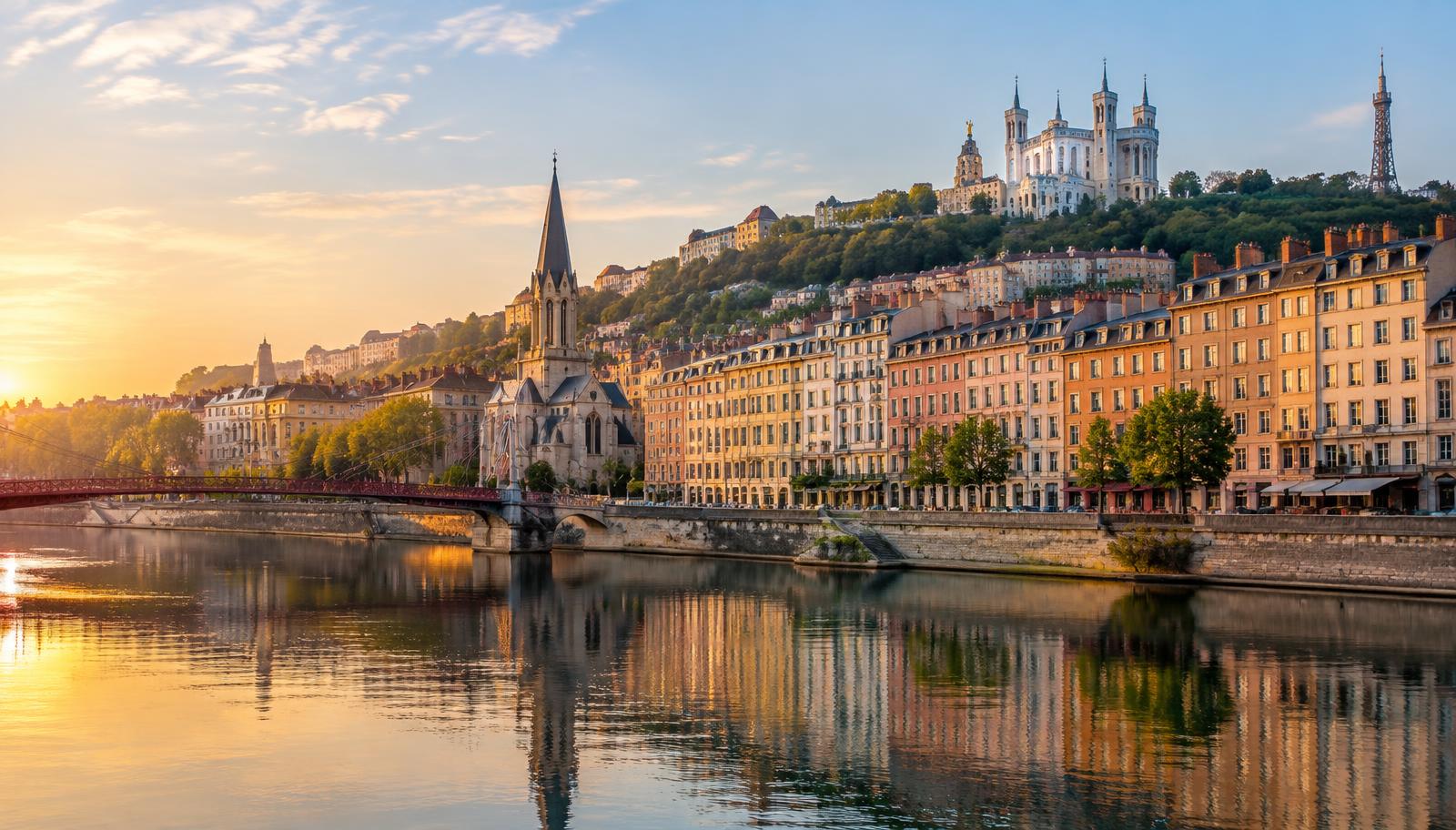
Lyon at a Slower Pace: Rivers, Markets and Long Lunches
A slow guide to Lyon: where to stay, a relaxed three-day rhythm, bouchons, markets, river walks and easy escapes to Beaujolais.
· 8 min read

Travel
Salzburg at a Slower Pace: Baroque Squares, Hill Walks and Alpine Lakes
A slow guide to Salzburg: where to stay, a calm three-day rhythm, coffee-house culture, hilltop walks and gentle lake-district escapes.
· 7 min read
Travel
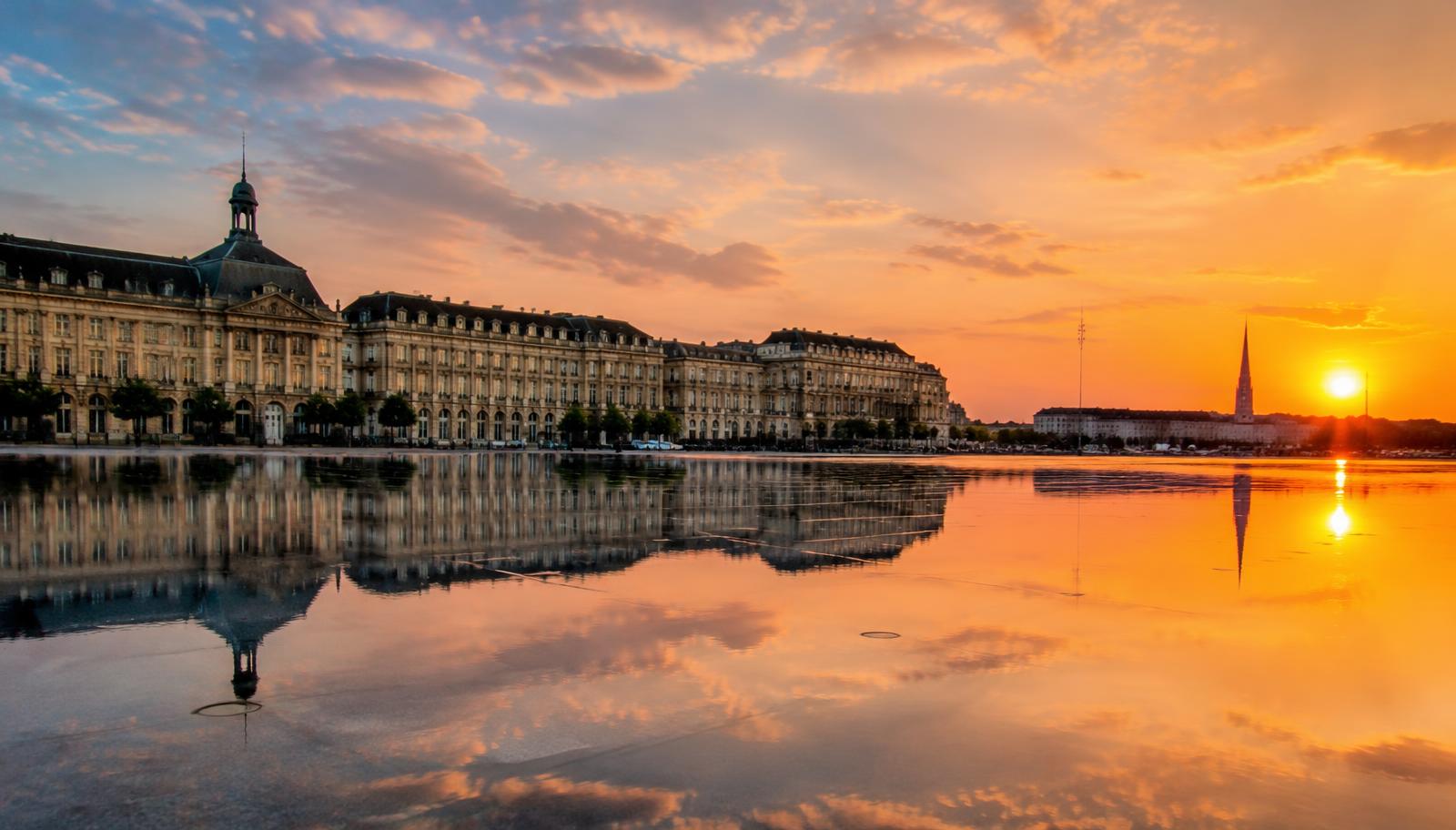
Bordeaux at a Slower Pace: Stone Streets, River Evenings and Wine Country
A slow guide to Bordeaux: where to stay, a relaxed three-day rhythm, markets, wine bars and easy trips to Saint-Émilion and the Atlantic coast.
· 7 min read