Porto at a Slower Pace
· 7 min read
Disclosure: Some links are affiliate links; we may earn a commission at no extra cost to you.
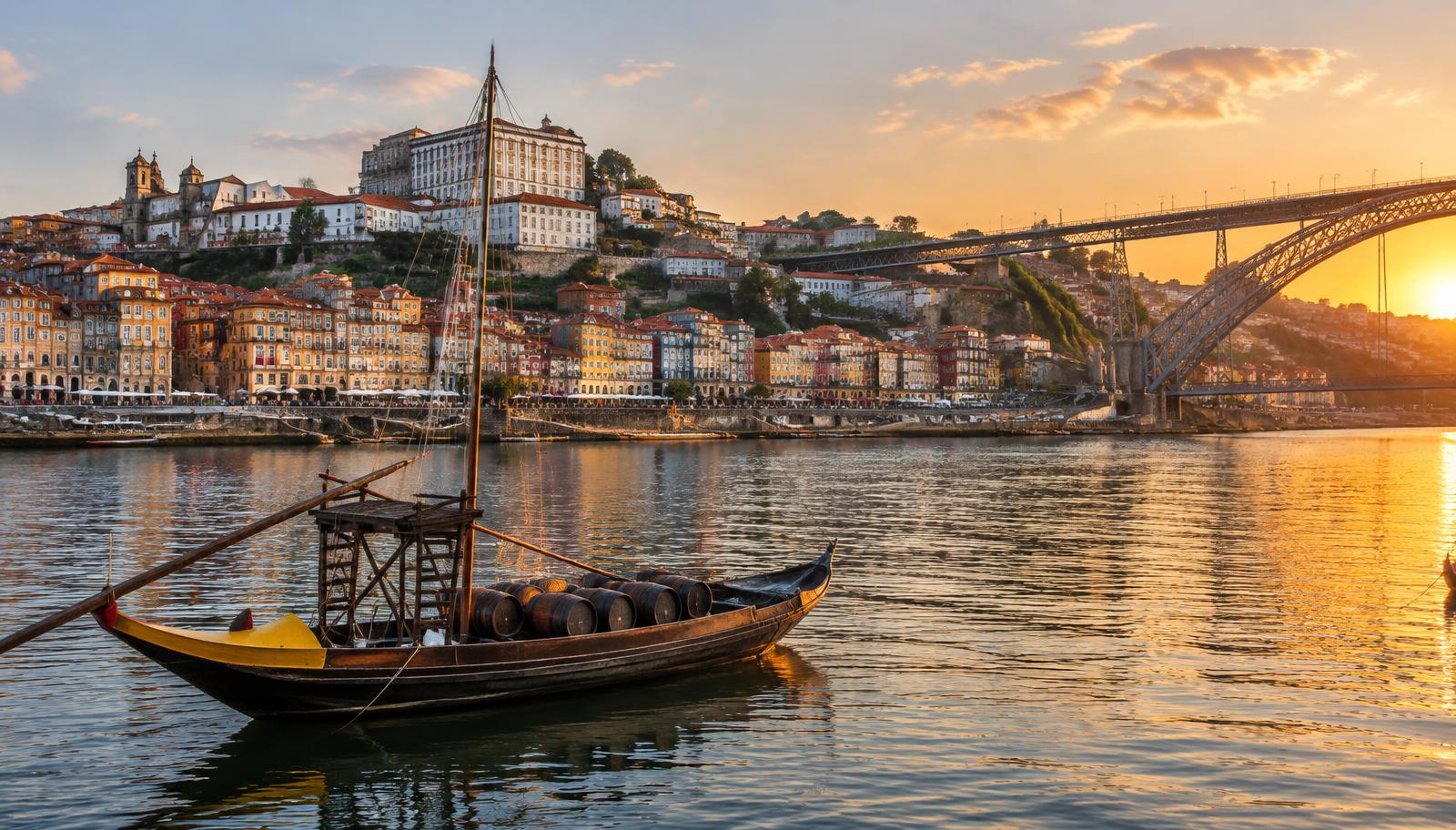
Porto invites a quieter mode of travel. The city’s steep alleys, river vistas and ceramic-tiled facades reward a slower gait: time to linger at a light-drenched viewpoint, to read a book in a small café, to browse a market stall and chat with the vendor. This guide is for travelers who want to unpack a little, settle into a neighbourhood and let the city reveal itself at an unhurried tempo. Think of Porto not as a series of checkboxes but as a living place to inhabit for a few gentle days.
Why fewer stops
Less is more when hills and narrow streets ask you to slow down. Fewer destinations means longer, more meaningful encounters: a whole morning can be spent watching boats glide on the Douro, or an afternoon folded into the patterned shade beneath plane trees. By trimming the list of attractions you attempt each day, you free time for small discoveries—the way light falls on azulejos, the ritual of an afternoon pastry, or a conversation with a shopkeeper. Slow travel in Porto is about depth: experience a market, a miradouro or a riverside walk fully rather than skimming many sites superficially.
Choosing a neighbourhood to stay
Where you stay shapes the tempo of your visit. Here are real neighbourhoods and the kinds of travelers they suit:
Ribeira and Cais de Ribeira: For those who want immediate river views and the atmosphere of the waterfront. It’s lively and picturesque—ideal if you want evenings by the Douro and easy access to bridges and boat sights.
Baixa (downtown) and São Bento area: Central and convenient, with historic squares and the famous tiled station. Suits travelers who want to be within walking distance of many landmarks while still enjoying café life and late strolls.
Cedofeita and Miguel Bombarda: Artsy and quieter at night, known for galleries and independent shops. Great for creative travelers who appreciate contemporary culture and boutique shopping without the heavy tourist bustle.
Boavista and Foz do Douro: Boavista offers modern cultural venues and a calmer pace; Foz sits by the sea and suits people who like long walks on the promenade and beach time. Both are quieter choices for longer stays.
Bonfim and Miragaia: More residential and authentic-feeling. These neighbourhoods fit visitors who want to live more like a local, with small cafés, neighborhood markets and fewer tourist crowds.
Each area offers a different rhythm; choosing one and staying put makes slow travel possible by letting you learn morning routines, favorite cafés and quiet corners.
Getting around on foot and public transport
Walking is the truest slow way to know Porto, but its hills and cobbled streets mean comfortable shoes and a relaxed attitude are essential. Allow extra time for climbs and spontaneous stops; a short map distance can take longer on narrow, stepped lanes. Many of the core sights are walkable from central neighbourhoods, which encourages those slow, aimless wanderings that reveal tucked-away viewpoints and tile-covered façades.
Public transport complements walking for longer distances. The city’s metro, buses and historic trams connect riverside districts to coastal Foz and modern Boavista. Look for a reloadable city transport card to make hopping on and off smoother. Trams and funiculars are not just transport; their slow, scenic routes are part of the experience—perfect for savoring river-bank views without hurrying. When you do ride, use the journey to observe daily life: workers heading home, families at the market, students with guitars.
Things to see slowly
Choose a handful of well-known landmarks to absorb at leisure rather than racing through many.
Dom Luís I Bridge and the riverside promenades: Walk both the lower and upper levels at different times of day. Early morning and late afternoon light transform the river and the bridge’s ironwork.
Cais da Ribeira and the Douro bank: Sit on a riverside bench, watch the boats, and let the aromas of coffee and bread fill the air. The riverfront is best enjoyed slowly, with time for people-watching and random conversations.
São Bento Railway Station: Admire the iconic azulejo panels while lingering over the slow flow of arrivals and departures; it’s a place to feel the city’s rhythm.
Porto Cathedral (Sé) and surrounding terraces: Rather than ticking the cathedral off quickly, stay for the transition from interior to outlook—views over the old town and the river.
Clérigos Tower and nearby streets: Clérigos is a reference point, and the narrow lanes around it invite meandering. Find a quiet café, open a map only if you must, and let the streets lead.
Livraria Lello area and the bookstores cluster: Even if you skip queues, the book-shopping culture here is a leisurely pleasure—browsing, reading blurbs, exchanging recommendations.
Jardins do Palácio de Cristal and Jardim do Morro: These green spaces offer panoramic views and scented paths. Bring a blanket or a sketchbook and spend an afternoon without hurry.
Casa da Música and Serralves (park and museum): For a slow cultural day, pair a modern architectural visit with long walks through landscaped gardens. The grounds are as much an attraction as any exhibition.
Vila Nova de Gaia riverside and Serra do Pilar viewpoint: Cross the bridge and explore Gaia’s riverside terraces and viewpoints, where river vistas invite extended pauses.
What and how to eat
Eating in Porto is an art of comfortable indulgence. Food markets and pastelarias are local institutions—quick pastéis de nata at a morning counter, slow lunches where plates are shared, and late afternoons spent with a coffee and a small sweet. Markets like Mercado do Bolhão are ideal places to see produce and artisanal goods; buy ingredients for a picnic, or sit at a communal counter and watch the vendors. The city’s café culture encourages long, unhurried breaks: order a coffee, take a pastry, and settle in for reading, sketching or conversation.
Signature dishes to try slowly include francesinha (a hearty, layered sandwich unique to Porto), cod in its many traditional preparations, caldo verde soup, and beloved small plates of grilled fish. Port wine tastings are a way to experience the region’s flavor heritage—approach them as leisurely, educational moments rather than an item to rush through. When you dine, choose multi-course meals or shared plates that invite slow sampling and conversation.
A gentle three-day outline
Day 1 — Riverside and Old Town: Start with a slow morning walk along the Cais da Ribeira. Pause at viewpoints and linger at São Bento to admire the tiles. Wander up through the tight streets toward Clérigos, making time to sip coffee in a small café. Cross to Vila Nova de Gaia late afternoon to enjoy riverside terraces at a calm pace and watch reflected light on the water.
Day 2 — Markets, museums and gardens: Morning at a local market—browse stalls, pick up fruit and bread for a picnic. Spend midday at Serralves or Casa da Música; choose one and take your time through gardens, galleries or architectural spaces. In the evening, head to Jardins do Palácio de Cristal for a sunset pause and a quiet picnic or light meal.
Day 3 — Coastal calm and neighborhood life: Take a local tram or metro toward Foz do Douro or a nearby beach for a slow morning by the sea—walk the promenade, enjoy a long café break. Return via Boavista for a relaxed afternoon of gallery-hopping or soaking in a neighborhood square. Finish with an easy riverside stroll and an unhurried dinner, choosing dishes to share and savor.
Each day keeps movement minimal and curiosity maximal, trading rushed itineraries for meaningful rhythms.
Practical care and budgeting tips
Slow travel is also practical travel. Pack comfortable, supportive shoes for cobbled streets and steep paths, and a light layer for winds near the river and sea. Carry a refillable water bottle and a small umbrella or rain layer—weather can shift and an unexpected shower is easiest dealt with when you have a little shelter.
For money matters, favor a steady pace over costly one-off splurges: pick a neighbourhood base and use it as your kitchen and meeting place, visit markets for simple meals, and make use of public transport for longer hops instead of frequent taxis. Many cultural sites offer modestly priced entry or free-access gardens—choose a mix of paid and free experiences. A reloadable transport card makes frequent short trips more convenient; consult official sources on how to obtain one. Keep a compact daypack with essentials—a notebook, a reusable bag for market finds, a small camera—and try to resist the urge to over-shop souvenirs that you won’t use.
Practically, pay attention to safety on steep paths and avoid carrying valuables in easily accessible pockets; the city is lively and most visits are trouble-free, but mindfulness keeps the experience calm. Respect local rhythms: many shops and cafés close for mid-afternoon breaks in quieter neighbourhoods, and dining often starts later than in some other cultures.
Conclusion
Slow travel in Porto means letting the city’s textures unfurl at their own pace: the river’s changing light, the quiet intensity of tiled façades, the ritual of a market morning, and the ever-present scent of coffee and grilled fish. Choose a neighbourhood that suits your rhythm, walk where you can, and use public transit for the rest. Pick a handful of landmarks and savor them, make room for long café hours and riverside pauses, and let the city’s gentle tempo set yours. Porto rewards curiosity when paired with patience; move slowly here, and you will see more than the guidebook—your stay will feel like a lived chapter rather than a hurried checklist.
Where to stay
Browse places to stay around Porto, Portugal. Prices change, so compare the live rate with the real price and dates shown above. Bookings made through these links may earn us a commission.
Related posts
Travel
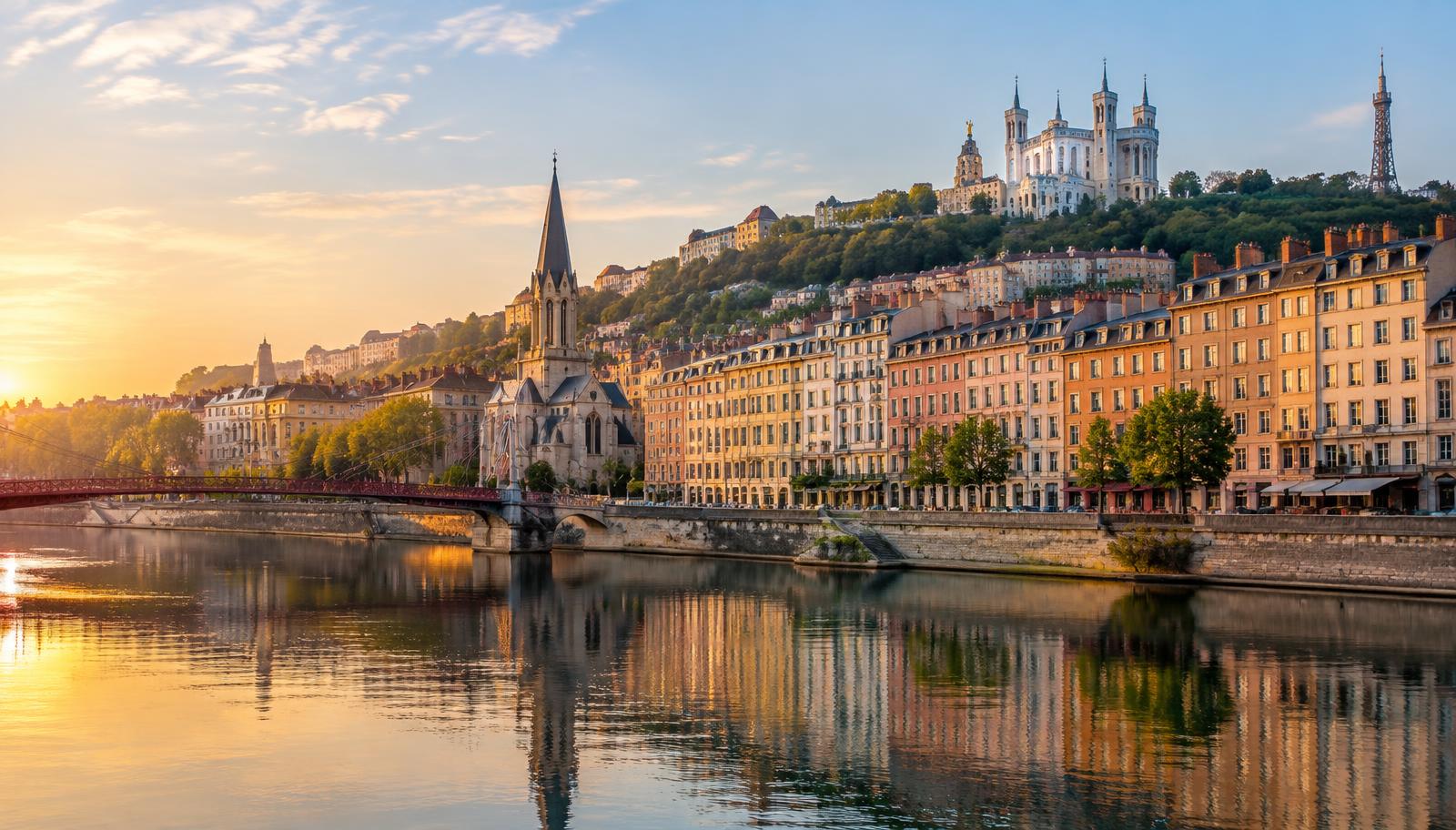
Lyon at a Slower Pace: Rivers, Markets and Long Lunches
A slow guide to Lyon: where to stay, a relaxed three-day rhythm, bouchons, markets, river walks and easy escapes to Beaujolais.
· 8 min read
Travel
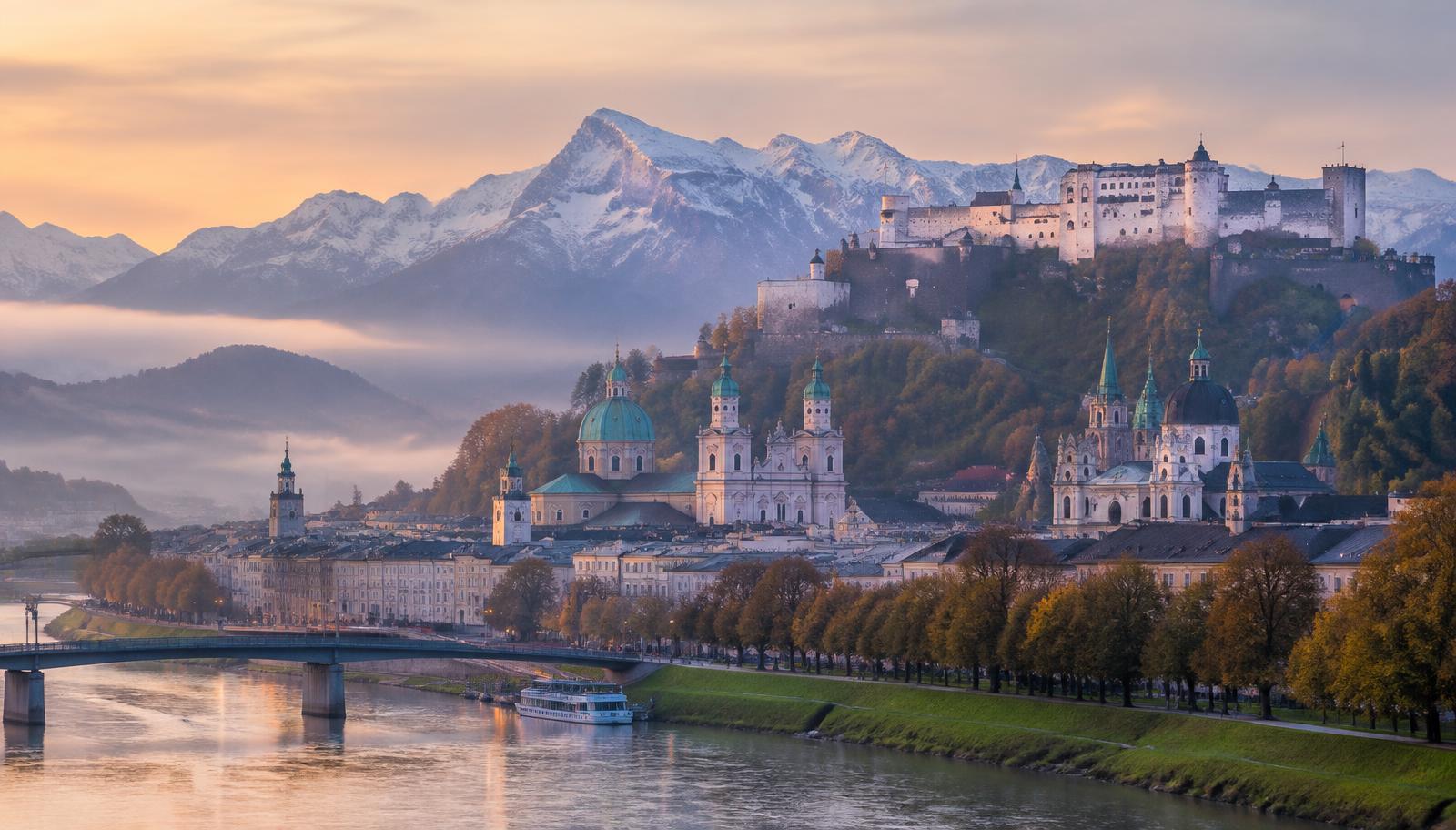
Salzburg at a Slower Pace: Baroque Squares, Hill Walks and Alpine Lakes
A slow guide to Salzburg: where to stay, a calm three-day rhythm, coffee-house culture, hilltop walks and gentle lake-district escapes.
· 7 min read
Travel
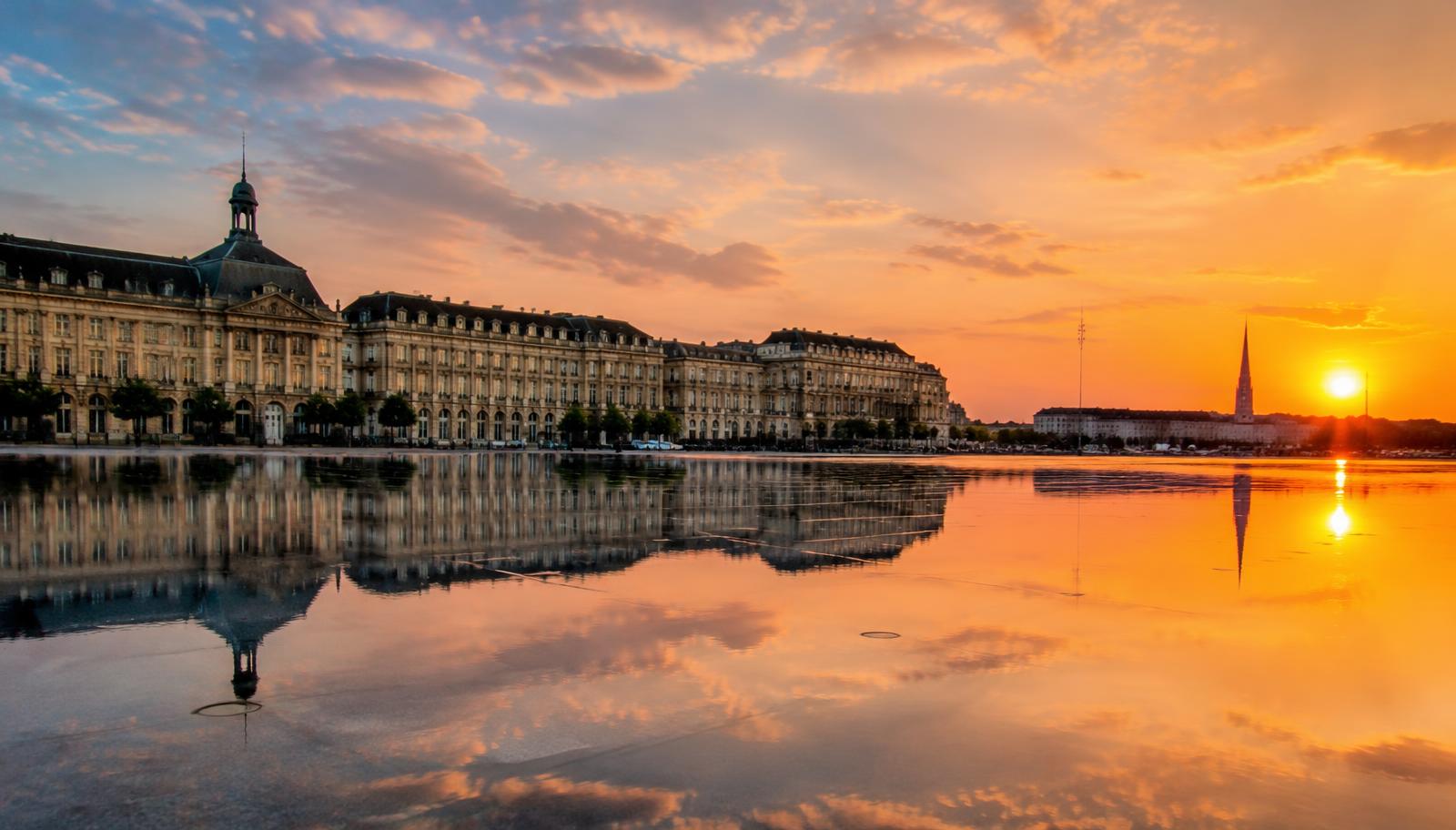
Bordeaux at a Slower Pace: Stone Streets, River Evenings and Wine Country
A slow guide to Bordeaux: where to stay, a relaxed three-day rhythm, markets, wine bars and easy trips to Saint-Émilion and the Atlantic coast.
· 7 min read