Marrakech at a Slower Pace
· 8 min read
Disclosure: Some links are affiliate links; we may earn a commission at no extra cost to you.
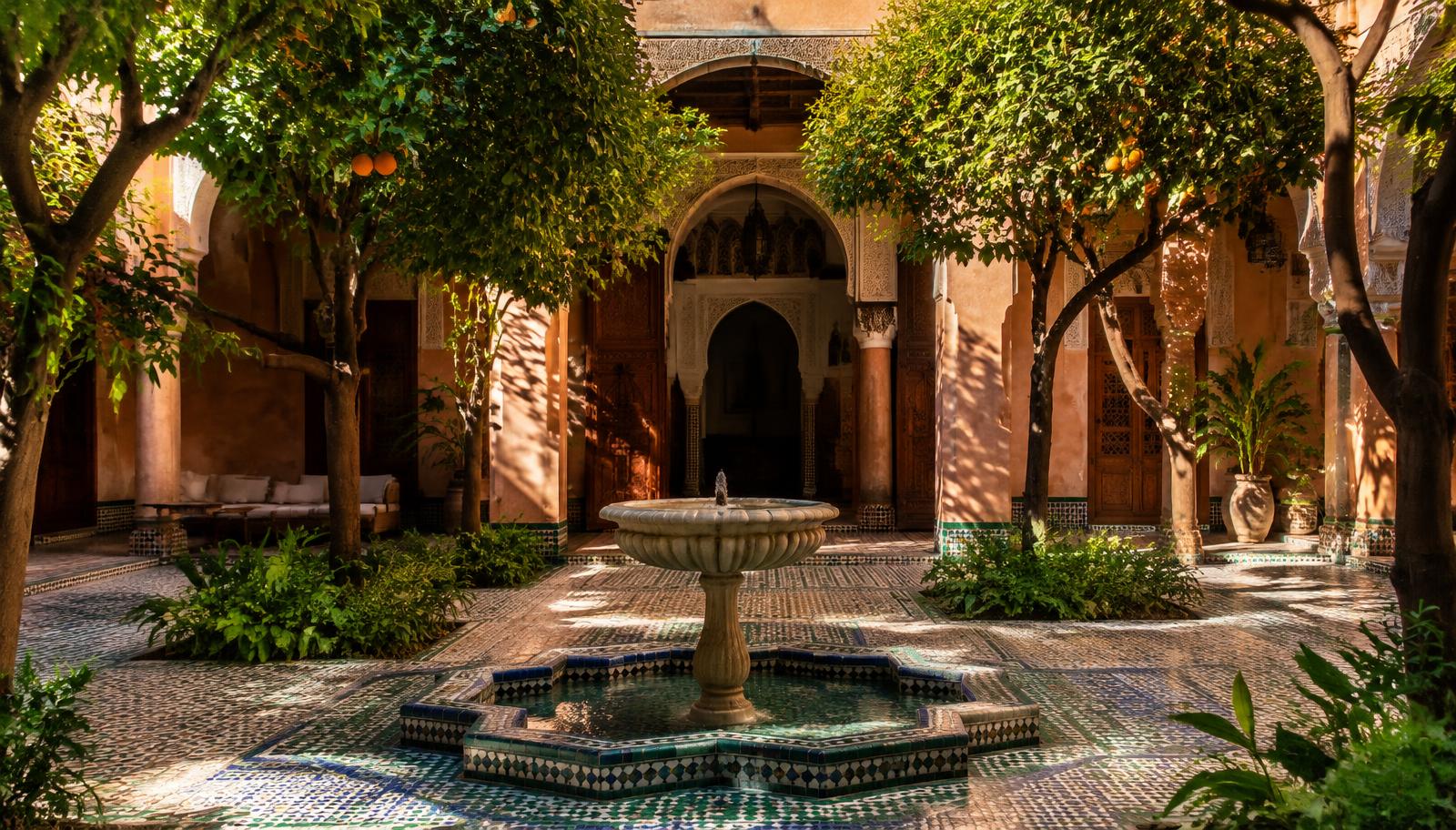
Marrakech arrives with colour, sound and scent all at once: spice-laden air, the thrum of the medina, scent of orange blossom and the call of vendors. It can be dazzling — and overwhelming — if you try to see everything at once. Slow travel invites a different rhythm: fewer destinations each day, deeper attention to place, and room for the unexpected. This guide offers a calm way to settle into Marrakech, with practical tips for moving more mindfully, suggestions for neighbourhoods, ideas for slow sightseeing, and a gentle three-day outline designed around lingering rather than racing.
Why fewer stops
Rushing through a city like Marrakech often means missing the small, essential details — the way tilework catches late light, the ritual of afternoon mint tea, the economy of gestures between shopkeepers and regulars. Fewer stops let you:
- Spend time in a single courtyard or souk aisle to notice craft techniques and textures.
- Observe daily life rhythms: mosque calls, market lull periods, and local café breaks.
- Reduce decision fatigue and the stress of constant transit.
- Deepen conversation with a guide, artisan or riad host when you are focused on one area.
Slow travel here is not about doing less for its own sake, but about making each moment richer and more present.
Choosing a neighbourhood to stay
Picking a single neighbourhood and returning to it every day is essential for slow travel in Marrakech. Consider these well-known quarters and who they suit:
Medina (the old city): This is the historic heart of Marrakech, full of lanes, riads, souks and the great square. Ideal for first-time visitors who want the atmosphere of winding alleys and immediate access to markets and landmarks. Expect sensory intensity; choose a quiet riad courtyard for restful evenings.
Kasbah (south of the medina): Close to the Saadian Tombs and El Badi Palace, the Kasbah quarter has a strong historic character with slightly fewer of the busiest market lanes. Suits travellers who want proximity to major sites but prefer calmer streets by night.
Mellah (the old Jewish quarter): Compact and distinctive, the Mellah sits near the medina and offers a quieter, more intimate neighbourhood feel. Good for anyone interested in history and local life with easy access to surrounding attractions.
Gueliz (the modern Ville Nouvelle): A contrast to the medina, Gueliz is greener, wider and distinctly modern with shops, cafes and a different pace. Best for travellers who appreciate more contemporary amenities, relaxed cafes and a sense of neighborhood life that stretches beyond tourism.
Hivernage: A more residential and upscale area with broad avenues and quieter evenings. This neighbourhood works well for those who want calm nights and easy access to parks or larger hotels while still being a short ride from the medina.
Choose the neighbourhood that matches how you want to spend most mornings and evenings; staying put makes it easier to return to favourite streets, cafes and faces.
Getting around on foot and public transport
Marrakech is best experienced at walking pace, especially within the medina where narrow lanes abound. Walking lets you notice craftsmanship and small rituals that pass by bus windows. A few practical travel notes:
On foot: Take comfortable shoes for uneven pavements and occasional stairs. Move slowly down alleys, pause in shaded courtyards, and let yourself be redirected by curiosity. If a lane narrows, follow the local flow — turns and dead ends often lead to hidden workshops.
Local taxis: Petit taxis serve short trips around the city and are useful for getting between neighbourhoods, hotels and attractions. They are plentiful, but brief rides require clear directions about your exact destination. For longer, intercity journeys, larger shared taxis operate on different systems.
Buses and other public options: There are local bus services connecting different parts of the city. Buses are an economical way to travel and are part of ordinary life in Marrakech. Schedules and routes can change; ask at your riad or from local information points for the simplest connections.
Time of day: Heat and crowds shift through the day. Consider walking in the early morning or late afternoon for cooler temperatures and softer light, reserving the busiest midday hours for shaded cafés or a slow museum visit.
Things to see slowly
Choose a handful of famous places and take your time rather than trying to tick off a long list.
Jemaa el-Fna: The great square is best absorbed across a day into evening. Watch how its energy changes: daytime stalls and storytellers, late-afternoon preparations, then the full spectacle at night. Rather than moving through, sit at a quiet vantage point and observe the flow.
Koutoubia Mosque: Visible from many parts of the city, the mosque’s minaret anchors the skyline. Walk the surrounding gardens slowly and notice the way light plays on the stones and palms. Respectful observation from outside is the norm for non-worshippers.
Bahia Palace and Saadian Tombs: These historic sites reward slow walking and close attention to decoration — carved cedar, tile mosaics, and tranquil courtyards. Spend time in a single room or courtyard rather than rushing through.
Majorelle Garden and the botanical spaces around it: Gardens are inherently slow places. Move at a walking pace, linger over plantings, and watch how visitors and local gardeners interact with the space.
El Badi Palace and the surrounding ruins: Explore the scale and gradients of light in the open areas, then sit to take in the view. The contrasts between finished and ruined surfaces give time to reflect on history.
Souks of the medina: Pick one or two souk lanes to return to across days. Focus on a craft — leatherwork, metalwork, textiles — and watch artisans at work. Long conversations and repeated visits reveal more than a single quick pass.
When you visit any landmark, allow space for pause: a tea on a rooftop, a slow photograph from one vantage, or simply an hour to sit and watch.
What and how to eat
Food is central to slow travel in Marrakech. Treat meals as deliberate pauses.
Typical dishes to try: Tagine cooked with seasonal vegetables, preserved lemon and olives; couscous with vegetables or meat on appropriate days; harira, a thick soup often served to break fasts; pastilla, a layered pastry blending sweet and savory notes; and msemen or baghrir as breakfast fare. Mint tea accompanies most moments and functions as a social ritual rather than just a drink.
Market and café culture: Markets are not only for buying ingredients — they are places to watch the daily rhythms of food trade. Cafés and tea houses serve as communal living rooms; sit, order a tea or a small plate, and use the time to write, read or people-watch. Many cafés have terraces or rooftops that offer a restful refuge above the medina.
Street food and safety: Street vending offers fresh, local snacks and is part of the city’s culinary identity. Practice common-sense hygiene measures: choose stalls where food is being freshly prepared and where there is a turnover of local customers. If in doubt about water, opt for bottled water or boiled beverages.
Sharing and pacing: Embrace sharing plates and lingering over courses. A late lunch can become an extended conversation and a slow way to bridge the afternoon.
A gentle three-day outline
This outline is intentionally unhurried; each day focuses on presence rather than ticking boxes.
Day 1 — Settling and the Medinan Vein:
- Morning: Arrive at your accommodation, unpack slowly, and orient yourself to the immediate streets around your riad.
- Midday: Walk a short route into the medina, find a shady courtyard café, and have mint tea or a light lunch. Spend the afternoon drifting down one or two souk lanes, observing artisans at work.
- Evening: Experience Jemaa el-Fna at a relaxed pace — watch the changing light, listen to street rhythms, and return early if you prefer quiet nights.
Day 2 — Palaces, Courtyards and a Hammam Pause:
- Morning: Visit one or two historic sites such as the Bahia Palace or Saadian Tombs; choose one room or courtyard to sit and absorb instead of moving quickly between rooms.
- Midday: Lunch in a shaded spot, followed by a gentle hammam or spa experience for restorative rest (if that appeals).
- Afternoon: Climb to a rooftop for a long view across terracotta roofs and the Koutoubia minaret, then return to your riad for a slow evening.
Day 3 — Gardens and a Slower Perspective:
- Morning: Spend the morning in a garden or botanical space, moving slowly among plantings and shaded paths.
- Midday: Seek out a market for fresh fruit or a simple meal, and sit to watch market life unfold.
- Afternoon: Choose a small cultural stop — a museum or a craft workshop — and leave time to return to a favourite lane for a final unhurried stroll before packing.
Adjust the days to your pace, taking two-hour rests if the midday heat or bustle becomes intense. Slow travel values the unplanned moment as much as the scheduled one.
Practical care and budgeting tips
A calm journey is also a prepared one. A few practical suggestions to keep your stay comfortable:
Cash and payments: Carry small amounts of local currency for market purchases, tea and taxis. Cards are accepted in many modern establishments, but cash is essential in the medina and for small vendors.
Health and comfort: Protect yourself from the sun with a hat and sunscreen. Drink liquids regularly; choose bottled or boiled drinking water if you have concerns about tap water. Pack any regular medications and a small first-aid kit for blisters or minor mishaps.
Respect and photography: Ask before photographing people, especially in sensitive contexts. Dress modestly in public spaces, particularly when visiting religious sites.
Bargaining and shopping: Haggling is part of market culture, but approach it as a friendly exchange rather than a contest. Take time to appreciate craftsmanship and consider buying fewer, higher-quality items that you will truly cherish.
Safety: Keep an eye on personal belongings in crowded areas. Trust your intuition; if a lane or interaction feels pressured, step back and choose another route.
Time and flexibility: Budget extra time for walks and delays; slow travel benefits when plans are loose. If you want a guided experience, consider booking a shorter, focused tour rather than a full-day itinerary.
Conclusion
Marrakech rewards a softer tempo. When you slow down, the city reveals layers: the small rituals of daily life, the patient work of artisans, and the quiet beauty of courtyards and gardens. Choose a neighbourhood that feels like a home base, wander on foot with attention, savour food as ritual and allow the city’s beats to set your own. Slow travel in Marrakech is less about seeing everything and more about being present to what unfolds — and returning home with memories that have had the space to deepen.
Where to stay
Browse places to stay around Marrakech, Morocco. Prices change, so compare the live rate with the real price and dates shown above. Bookings made through these links may earn us a commission.
Related posts
Travel
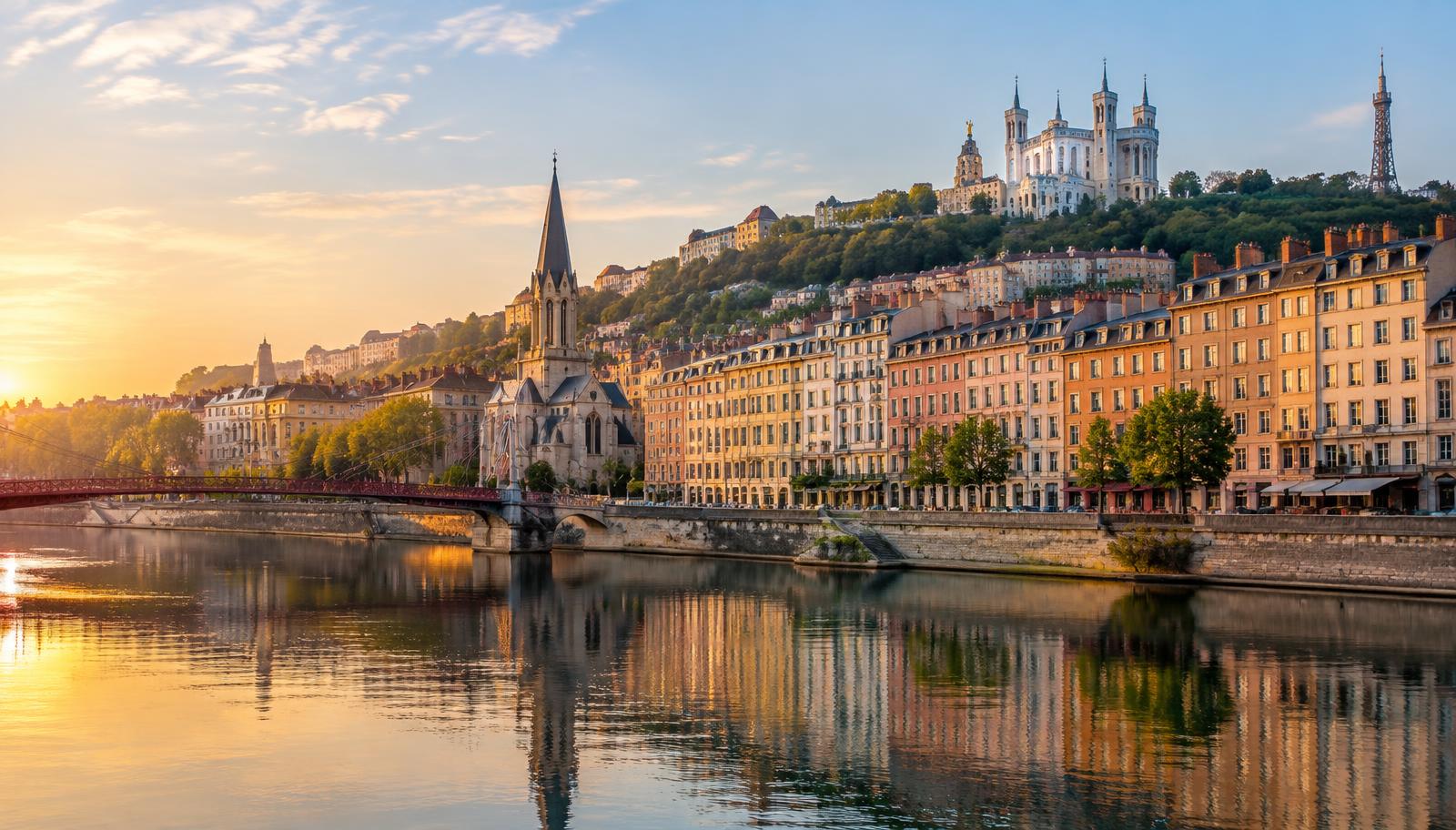
Lyon at a Slower Pace: Rivers, Markets and Long Lunches
A slow guide to Lyon: where to stay, a relaxed three-day rhythm, bouchons, markets, river walks and easy escapes to Beaujolais.
· 8 min read
Travel
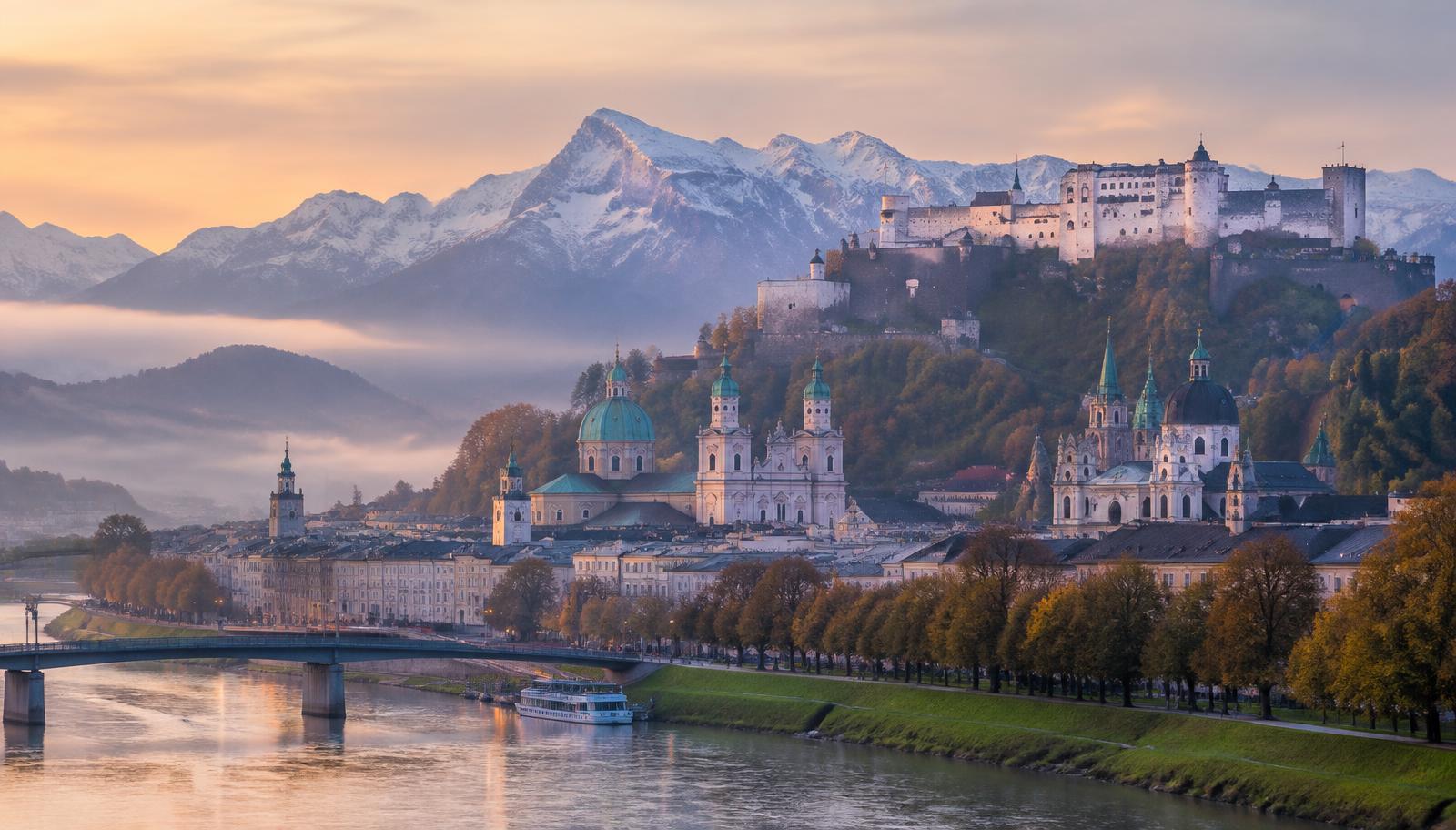
Salzburg at a Slower Pace: Baroque Squares, Hill Walks and Alpine Lakes
A slow guide to Salzburg: where to stay, a calm three-day rhythm, coffee-house culture, hilltop walks and gentle lake-district escapes.
· 7 min read
Travel
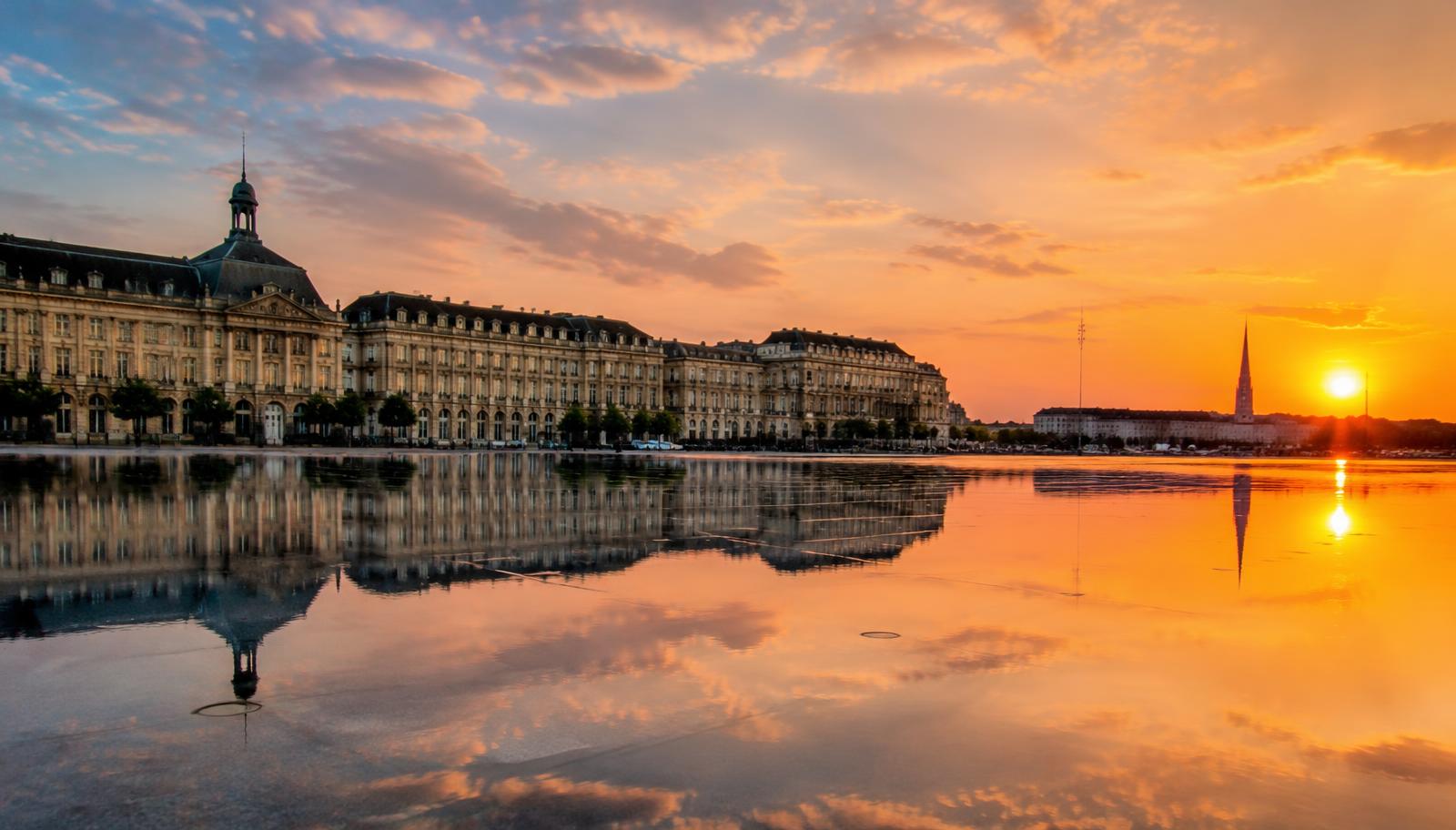
Bordeaux at a Slower Pace: Stone Streets, River Evenings and Wine Country
A slow guide to Bordeaux: where to stay, a relaxed three-day rhythm, markets, wine bars and easy trips to Saint-Émilion and the Atlantic coast.
· 7 min read