Lisbon at a Slower Pace: A Thoughtful Guide to Portugal’s Capital
· 7 min read
Disclosure: Some links are affiliate links; we may earn a commission at no extra cost to you.
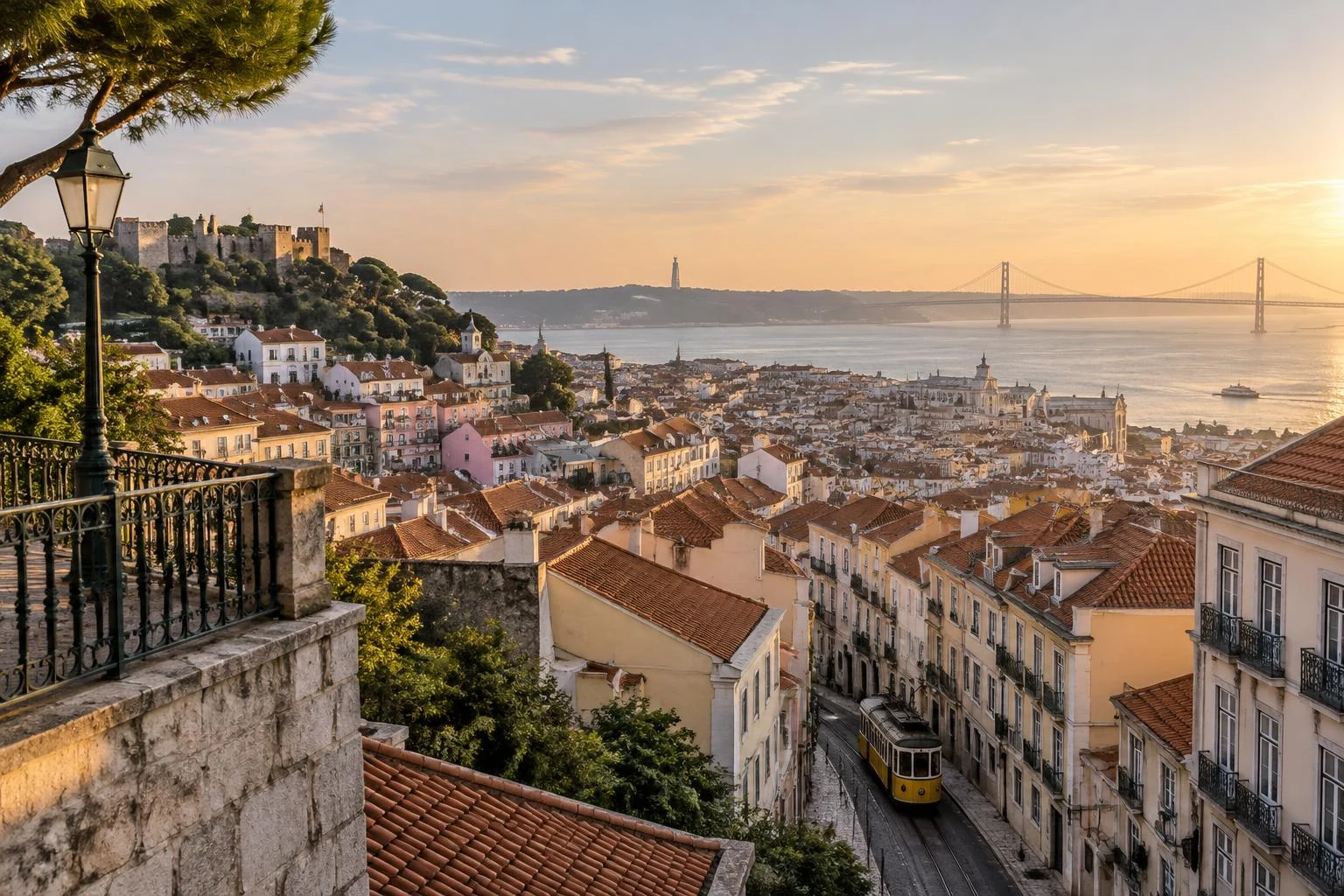
Lisbon rewards a slow visit because its hills, neighbourhood lanes and setting beside the Tagus offer more than a sequence of sights. Leaving space between plans makes room for a café pause, a viewpoint and the changing relationship between streets and water. It also makes the city’s climbs easier to manage: a good Lisbon day need not cover much ground to feel complete.
Plan for fewer stops and more breathing room
Build your visit around one main area or outing each day, then treat everything else as optional. Lisbon’s hills can turn an apparently short walk into a substantial effort, particularly when several climbs accumulate. A lighter plan allows you to notice when curiosity is giving way to fatigue and change direction without feeling that the day has failed.
Three days can provide a useful introduction, but they work best as a framework rather than a completion exercise. Keep one substantial activity for the morning and leave the afternoon flexible. If a monument matters to you, organise the day around its confirmed visiting arrangements instead of squeezing it between unrelated stops.
Plan pauses as deliberately as sights. A seated lunch or an unhurried drink can make the difference between enjoying an uphill neighbourhood and simply enduring it. Leave arrival and departure days especially loose, and resist filling every gap with a journey across town. Staying within one area often creates a more coherent day than collecting distant landmarks.
Choose a base that suits your walking pace
Choose an area by considering the journeys you will repeat: leaving with a day bag, returning when tired, and moving luggage. A central address is not automatically an easy address. Look at the surrounding terrain and the building’s access as well as its position on a map.
Baixa is central and relatively level, making it a sensible starting point for travellers who want to reduce everyday climbing. Chiado and Bairro Alto sit uphill; consider whether the routes around a potential base match your energy and mobility. Ask accommodation providers directly about step-free entrances, lifts and any unavoidable stairs.
Alfama’s steep lanes suit an unhurried approach, but their appeal should not obscure practical needs. Check how you would reach the exact address rather than assuming a nearby transport stop solves the final stretch. Belém lies west of the centre, so weigh time spent travelling against the appeal of basing yourself there.
For any area, ask about room orientation and possible noise instead of relying on neighbourhood labels. The right base supports rest, not just sightseeing.
Navigate the hills with walking and public transport
Combine walking with public transport rather than treating either as the only authentic way to explore. Lisbon has trams, metro services, buses, suburban trains and ferries. Which option makes sense depends on your route and access needs; check official transit information for current schedules, fares, service changes and ticket conditions.
Tram 28 can be crowded. Treat it as public transport, not a private attraction: keep doors and aisles clear, follow onboard instructions, and be considerate of passengers making ordinary journeys. If boarding looks uncomfortable or disruptive, choose another route rather than making the ride a required experience.
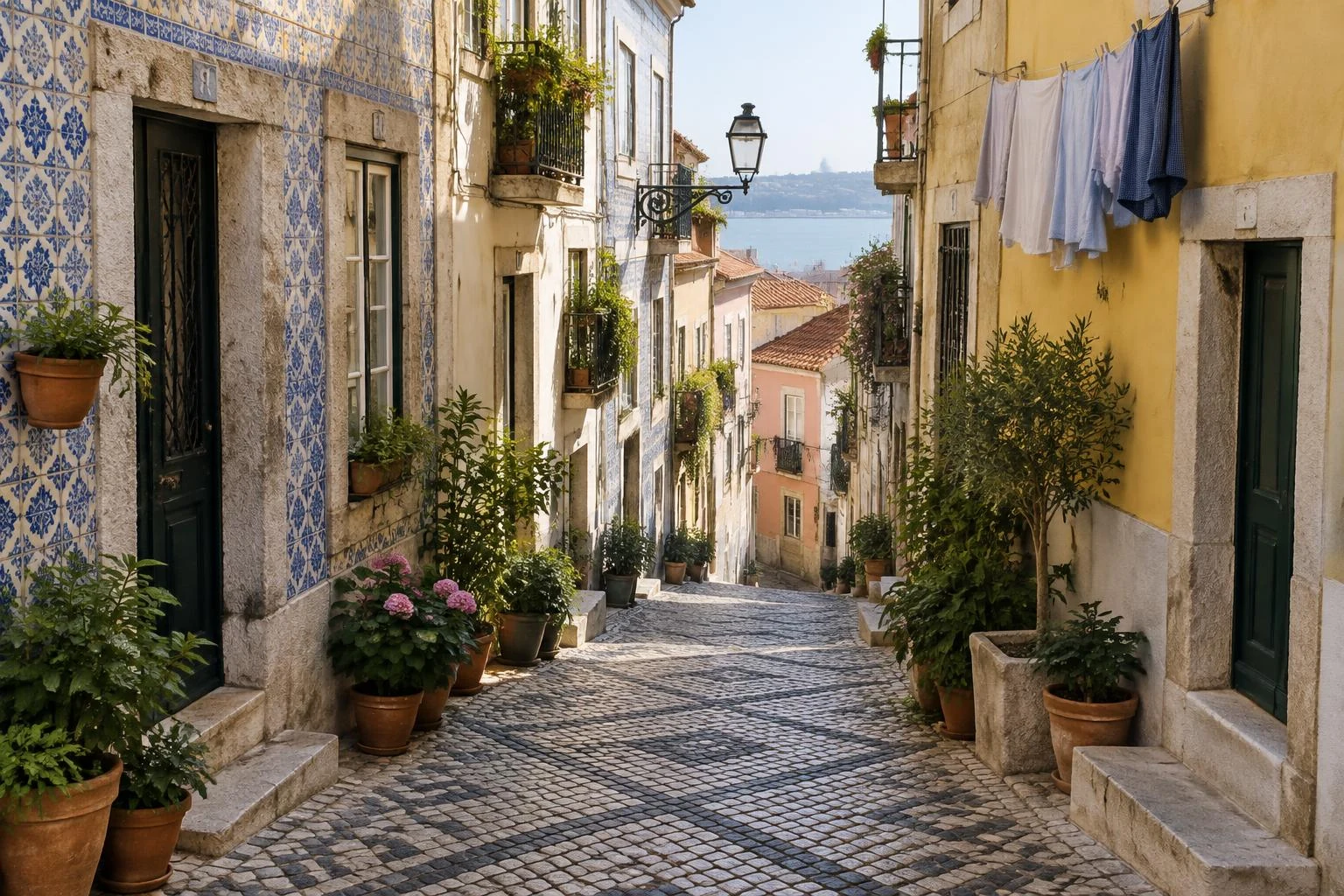
For walking, think in terms of gradient as well as distance. An uphill journey followed by a gentle return may suit some travellers; others will prefer transport for both directions. Lisbon’s calçada paving can be slippery, so wear shoes with reliable grip and take particular care when surfaces are wet.
Travellers using wheelchairs or other mobility aids should verify individual routes and transport access, including station entrances and any lift arrangements. A map’s shortest route may include steps or awkward slopes. Ask venues about their actual entrance and facilities, and keep a workable alternative for any essential journey.
A thoughtful three-day outline
Day one: begin with Baixa and choose one uphill extension. Use the relatively level centre to settle into the city’s scale and establish a comfortable rhythm. Include time near the Tagus, then decide whether to continue toward Chiado or save the climb for another day. Choose a seated break before adding more walking. The aim is orientation, not an exhaustive introduction.
Day two: give Alfama time, with an optional viewpoint. Approach its steep lanes as a neighbourhood to move through respectfully rather than a route to conquer. Keep the morning open enough to pause or turn back. Add a miradouro, or viewpoint, only if the approach suits your mobility and energy. After lunch, repeat a pleasant area or rest instead of automatically crossing the city for another attraction.
Day three: make Belém the main outing. Its position west of the centre makes it worth grouping plans rather than making separate journeys for individual stops. Choose one monument to investigate, allow time for a café pause, and leave space around any booked visit. Confirm current opening hours, access rules and transport arrangements before setting off.
These days are interchangeable. Let confirmed reservations, weather and your own energy determine the order. If one outing becomes more demanding than expected, shorten the next. Keep an optional activity genuinely optional: removing it should improve the day, not create a sense of unfinished business.
Make time for food and café pauses
Meals offer a useful structure for slower days, but they do not need to become another competitive checklist. Choose places whose menus, atmosphere and seating suit you. Read the menu and displayed charges before ordering, and ask about anything unclear rather than assuming how a meal or café service works.
Follow staff guidance about seating and ordering, especially where the arrangement is unfamiliar. Ask whether items placed on the table carry a charge before accepting them. If you have allergies or dietary requirements, explain them clearly and confirm ingredients with staff; a dish’s name alone is not enough information.
Pastéis de nata can be part of the visit without a search for a single definitive venue. Belém is associated with them, but there is no need to let a queue dictate the day. Enjoy a café pause at a considerate pace, staying aware of other customers if seating is limited. Photography should not interrupt service or intrude on neighbouring tables.
Give viewpoints and Belém their own space
Miradouros are viewpoints, and their value lies partly in helping you understand Lisbon’s terrain. Choose one that fits the day’s route instead of moving between several for similar photographs. Before committing, check the approach, any access restrictions and whether the place offers the facilities you need. A view is less rewarding when reaching it exhausts the rest of the day.
Once there, share the space. Keep paths open, avoid monopolising a particular position, and do not climb barriers for a clearer photograph. If the setting is busy, a shorter stop may be the more considerate choice.
Belém deserves the same selective approach. It is associated with major monuments as well as pastéis de nata, but you do not need to visit every venue to justify travelling west. Pick a main interest and check the official venue’s current opening hours, admission arrangements and accessibility information. Allow space around it rather than stacking reservations tightly. If entry is unavailable or the outing feels too ambitious, adjust the plan without trying to replace every missed interior with another stop.
Choose day trips carefully and travel considerately
Sintra and Cascais are common rail day-trip options from Lisbon. Consider one if your stay has enough breathing room, rather than assuming both belong in a short visit. With only three days, staying in Lisbon may better match a slower approach. A day trip replaces a city day; it should not simply be added to an already full schedule.
Check official rail information for current services, fares and access arrangements. If a specific venue is the reason for travelling, confirm its details separately, including the onward journey from the station. Reaching the destination by train does not settle every part of the outing.
Within Lisbon, remember that attractive lanes are also places where people live and work. Do not block doorways, steps or narrow passages for photographs. Keep voices low near homes, ask before photographing people closely, and dispose of litter responsibly. Choose purchases and meals intentionally rather than treating neighbourhoods as scenery supplied for visitors.
Check the practical details before departure
Use this checklist to turn a loose plan into a manageable visit:
- Review the terrain: examine the routes around your accommodation and main activities, not just the distances between them.
- Confirm building access: ask about entrance steps, lifts and bathroom arrangements where these affect your stay.
- Check transport officially: verify current schedules, fares, ticket rules and accessibility with the relevant operators, including any rail or ferry journeys.
- Confirm venue details: use official sources for opening hours, reservations, access rules and facilities; save essential booking information somewhere accessible offline.
- Prepare for walking: bring comfortable, grippy footwear and a day bag that remains manageable on climbs.
- Leave practical margins: allow uncommitted time around arrivals, departures and booked visits rather than relying on the shortest possible connection.
- Keep alternatives simple: identify a lower-effort option for a day when hills, weather or crowded transport change your plans.
Before leaving each morning, choose one thing that matters and one thing you can comfortably drop. That small distinction keeps decisions manageable. Lisbon does not require constant movement: a workable route, a proper pause and enough energy for the return journey are a sound basis for a satisfying day.
Where to stay
Browse places to stay around Lisbon, Portugal. Prices change, so compare the live rate with the real price and dates shown above. Bookings made through these links may earn us a commission.
Related posts
Travel
Lyon at a Slower Pace: Rivers, Markets and Long Lunches
A slow guide to Lyon: where to stay, a relaxed three-day rhythm, bouchons, markets, river walks and easy escapes to Beaujolais.
· 8 min read

Travel
Salzburg at a Slower Pace: Baroque Squares, Hill Walks and Alpine Lakes
A slow guide to Salzburg: where to stay, a calm three-day rhythm, coffee-house culture, hilltop walks and gentle lake-district escapes.
· 7 min read
Travel
Bordeaux at a Slower Pace: Stone Streets, River Evenings and Wine Country
A slow guide to Bordeaux: where to stay, a relaxed three-day rhythm, markets, wine bars and easy trips to Saint-Émilion and the Atlantic coast.
· 7 min read