Kyoto at a Slower Pace
· 8 min read
Disclosure: Some links are affiliate links; we may earn a commission at no extra cost to you.
Introduction: Kyoto as a gentle city
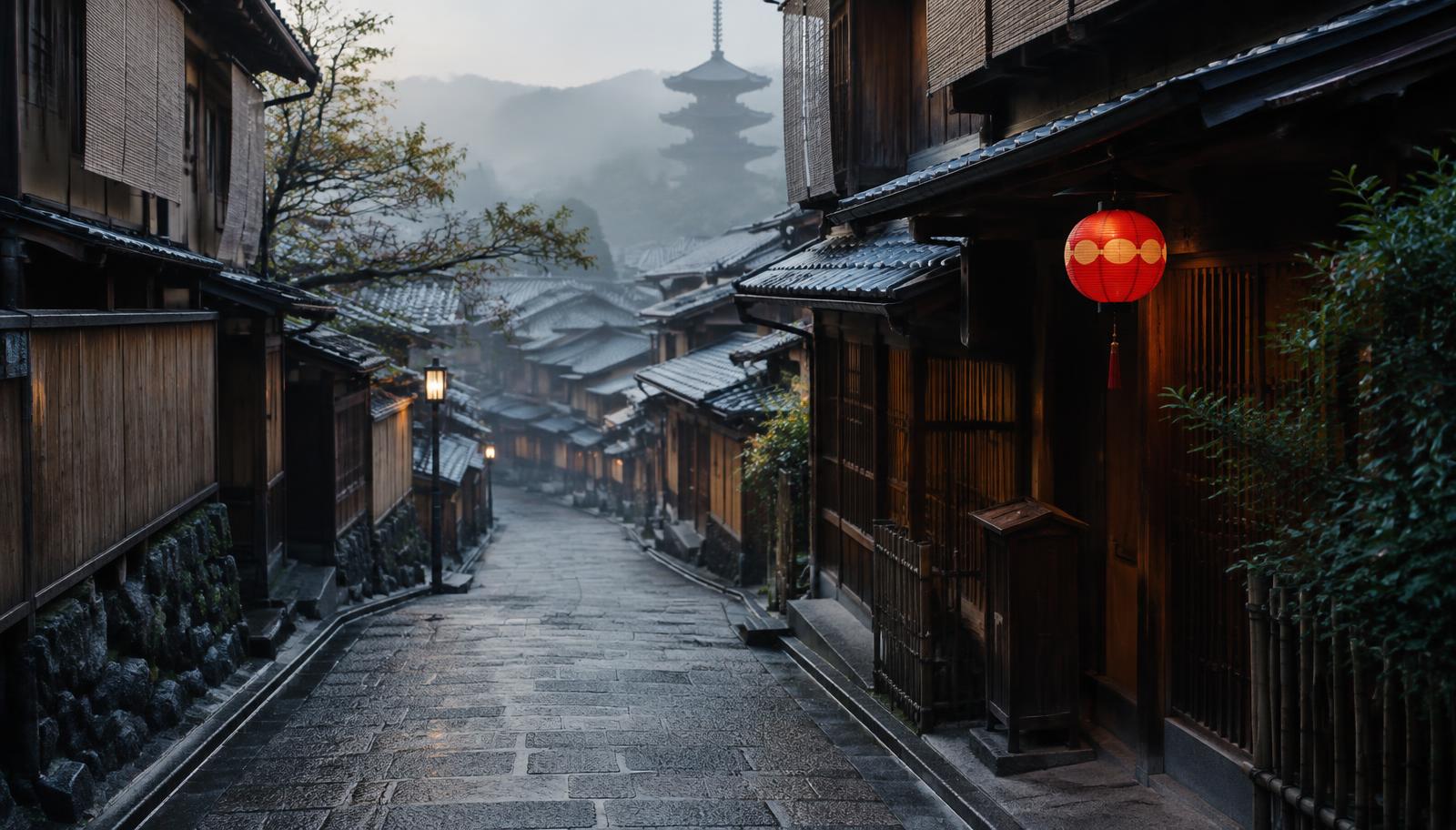
Kyoto is often pictured as a checklist of iconic sights — a rush from one famous temple to another — but the city's true charm is best discovered with time and patience. There is a special pleasure in moving slowly: arriving early to watch mist lift off a garden, sitting for a long cup of matcha while afternoon light shifts, or simply walking the same street twice at different hours and finding it transformed. This guide helps you design a quieter, more thoughtful Kyoto visit where depth beats breadth and small discoveries accumulate into a lasting impression.
Why fewer stops work better
Rushing through many highlights can leave you feeling exhausted and a little empty. Temples, shrines and neighbourhoods ask to be experienced, not just seen. Slowing down lets you notice the details that make Kyoto distinct — the texture of wooden lattices, the cadence of bicycles on stone streets, the way a bamboo grove sounds when wind moves through it. Fewer stops reduce transit time, decrease decision fatigue, and create space for unexpected finds: a tiny shrine tucked down a lane, a market vendor’s seasonal recommendation, or a tranquil tea corner in a garden. More time at each place also reduces the sensory overload that comes from hopping back-to-back between crowded sites.
Choosing a neighbourhood to stay
Where you stay shapes your pace. Here are some well-known Kyoto neighbourhoods and who they suit:
Gion and Higashiyama: Historic, atmospheric, and ideal for those who want immediate access to traditional streets, teahouses, and evening strolls near lantern-lit lanes. Suits travellers who appreciate classic Kyoto aesthetics and don’t mind more tourists in the busiest spots.
Central Kyoto (Kawaramachi, Pontocho): Lively, with narrow dining alleys and riverfront paths. Good for people who want a mix of dining options, easy evening walks, and a balance between modern conveniences and traditional charm.
Arashiyama: Scenic and quieter in the mornings, with rivers, temples and the famous bamboo grove nearby. Best for nature lovers who want a more relaxed pace and don’t mind being a bit removed from central Kyoto.
Northern Kyoto (Kinkaku-ji area): Green and residential, near iconic sights like the Golden Pavilion and peaceful temple complexes. Well-suited for those who want easy access to major landmarks while staying in a calmer zone.
Demachiyanagi / Philosopher’s Path area: Scholarly and serene, excellent for walkers who want green corridors, small cafés, and proximity to the Philosopher’s Path and several quiet temples.
Kyoto Station / Shimogyo: Practical and well connected, useful for travellers prioritising transport links and day trips. Suits those who need convenience and prefer structured itineraries.
Choose a base that matches how you want to spend your days — morning walks, riverside cafés, or easy access to gardens — and plan fewer, longer excursions rather than constant relocations.
Getting around on foot and public transport
Walking is one of the most rewarding ways to travel in Kyoto. Many neighbourhoods are compact and pedestrian-friendly; moving on foot allows for unplanned detours and slower sensory engagement. Comfortable shoes and a light daypack are all you need for long, unhurried walks.
Public transport is efficient and complements walking. Buses reach places that trains do not, but they can be slow during peak hours; trains are faster for longer distances. Consider using a rechargeable IC card (widely accepted on buses and trains) to make short hops without queuing for tickets. Plan mornings for walking and afternoons for a train or bus to a farther site, or vice versa, so you avoid back-to-back transfers.
Cycling can also be a gentle option in certain areas — it covers more ground than walking while still keeping you connected to street-level life. If you rent a bicycle, stick to quieter streets and be mindful of local traffic norms, and park only in designated areas.
Things to see slowly
Choose a handful of well-known landmarks and allow yourself time to sit, observe, and return if you wish. Here are suggestions for slow visits:
Fushimi Inari Taisha: Instead of running to the top, walk a few torii gates, pause at smaller altars, and continue on a relaxed rhythm. Early morning or late evening can feel especially meditative.
Kiyomizu-dera and Higashiyama: Wander the lanes below the temple, explore side alleys, and spend time in the temple’s surrounding terraces. The view from the wooden stage is rewarding when you sit and watch the city.
Kinkaku-ji (Golden Pavilion): Observe the pavilion from multiple vantage points around the pond, and then find a quiet bench to reflect on gardens and seasonal changes.
Arashiyama Bamboo Grove and nearby temples: Walk through the grove without hurrying and then explore lesser-known temple gardens and riverside paths. A slow walk along the river at dusk is peaceful.
Philosopher’s Path and Ginkaku-ji: Stroll the canal-side path, stop at small temples, and let the rhythm of the walk guide you rather than a strict schedule.
Nijo Castle and its gardens: Take time inside the grounds to notice architecture, sliding doors, and garden composition; gardens can be exceptionally calming.
Nishiki Market: Move through at a slow pace, sampling small bites, and watching the patterns of daily commerce rather than racing through for souvenirs.
Spread these visits across days so you can return to favourites in different light and weather. The goal is to let each place sink in.
What and how to eat: slow tasting
Eating slowly in Kyoto is part of the experience. The city’s food culture rewards attention to seasonality, presentation, and the social ritual of dining. Typical local dishes to explore:
Kaiseki-style meals: Multi-course, seasonally inspired dining that encourages slow, mindful tasting of small, artful dishes. These meals are as much about rhythm and balance as flavours.
Obanzai: Traditional Kyoto home-style dishes made from local, seasonal ingredients; often served in small plates that invite sharing and sampling.
Matcha and wagashi: Tea culture is central to Kyoto. A quiet tea ceremony or simply sitting in a tea room with a bowl of matcha and a wagashi (sweet) can be a restorative pause.
Yudofu (simmered tofu) and other Buddhist-inspired vegetarian fare: Found near temple areas, these gentle dishes pair well with contemplative days.
Street-market snacks: At places like Nishiki Market, try small bites and classic Kyoto flavours — but savour them slowly, mindful of texture and temperature.
Kyoto has a lively café culture where slow mornings and late-afternoon pauses are welcome. Markets and cafés encourage tasting and lingering rather than quick consumption. When dining, consider ordering a few shared plates, taking time between courses, and using meals as a chance to rest and reflect.
A gentle three-day outline
Day 1 — East Kyoto and Higashiyama
- Morning: Start early with a walk through a quiet temple or shrine in Higashiyama before crowds gather.
- Midday: Stroll the atmospheric lanes of Ninenzaka and Sannenzaka, pausing for tea and small bites.
- Afternoon: Visit Kiyomizu-dera, then wander down to the river for a slow riverside walk.
- Evening: Settle into a calm dinner in Pontocho or a riverside area; take an after-dinner stroll.
Day 2 — Northern and Central Kyoto
- Morning: Visit Kinkaku-ji and spend time walking the garden paths; find a quiet spot to sit.
- Midday: Explore the northern temples and enjoy a leisurely lunch with seasonal dishes.
- Afternoon: Head to Nijo Castle or a nearby garden for a contemplative walk.
- Evening: Wander the lively central streets at a measured pace, perhaps enjoying a dessert or tea.
Day 3 — Arashiyama and the Philosopher’s Path
- Morning: Arrive early in Arashiyama to walk the bamboo grove when it’s quieter; follow up with riverside paths.
- Midday: Take a slow lunch, then return toward the city along a train or bus, aiming for a long walk on the Philosopher’s Path.
- Afternoon: Visit Ginkaku-ji or nearby small temples, allowing time to sit in the gardens.
- Evening: Conclude with a reflective meal and a final gentle walk through lantern-lit lanes.
This outline is intentionally flexible — swap mornings and afternoons to suit light, crowds, or mood. The point is an unhurried tempo: one main focus per half-day with room for rest and meandering.
Practical care and budgeting tips
Pack for comfort: Breathable layers, good walking shoes, a compact umbrella, and a reusable water bottle will keep you comfortable across changing weather and long walks.
Money and cards: Many places accept major cards, but smaller shops, markets and some traditional venues may be cash-only. Keep a modest amount of cash on hand for small purchases.
Transportation budgeting: Allocate for a mix of walking, bus and train travel. An IC card can smooth trips and avoids buying individual tickets; it also gives flexibility for unexpected detours.
Time of day matters: Early mornings and late afternoons are quieter and can feel more intimate; plan key visits for those windows to experience places at a calmer pace.
Respect local customs: Bowing, removing shoes where required, and quiet behaviour in sacred spaces are appreciated. Be mindful of taking photos in sensitive places and follow any posted guidance.
Rest and hydration: Slow travel includes rest. Factor breaks into your day, and use cafés or gardens as deliberate pauses rather than just transit points.
Seasonal awareness: Kyoto’s seasons shape experiences deeply — cherry blossoms, verdant summers, colourful autumn leaves and quiet winters all shift the city’s mood. Consider how seasons influence crowds and your clothing needs.
Conclusion: A slower kind of souvenir
Slow travel in Kyoto gifts a different kind of souvenir — not just photographs of famous sights but the memory of a morning spent watching koi in a pond, the taste of a quietly brewed bowl of matcha, or the feeling of stepping off a busy street into a silent temple garden. By choosing a base that fits your rhythm, moving primarily on foot with public transport as a support, and limiting your itinerary to fewer, longer visits, you’ll leave the city with a fuller sense of its texture and a more peaceful travel memory. Kyoto rewards patience; take it slowly, and it will reveal itself in layers.
Where to stay
Browse places to stay around Kyoto, Japan. Prices change, so compare the live rate with the real price and dates shown above. Bookings made through these links may earn us a commission.
Related posts
Travel
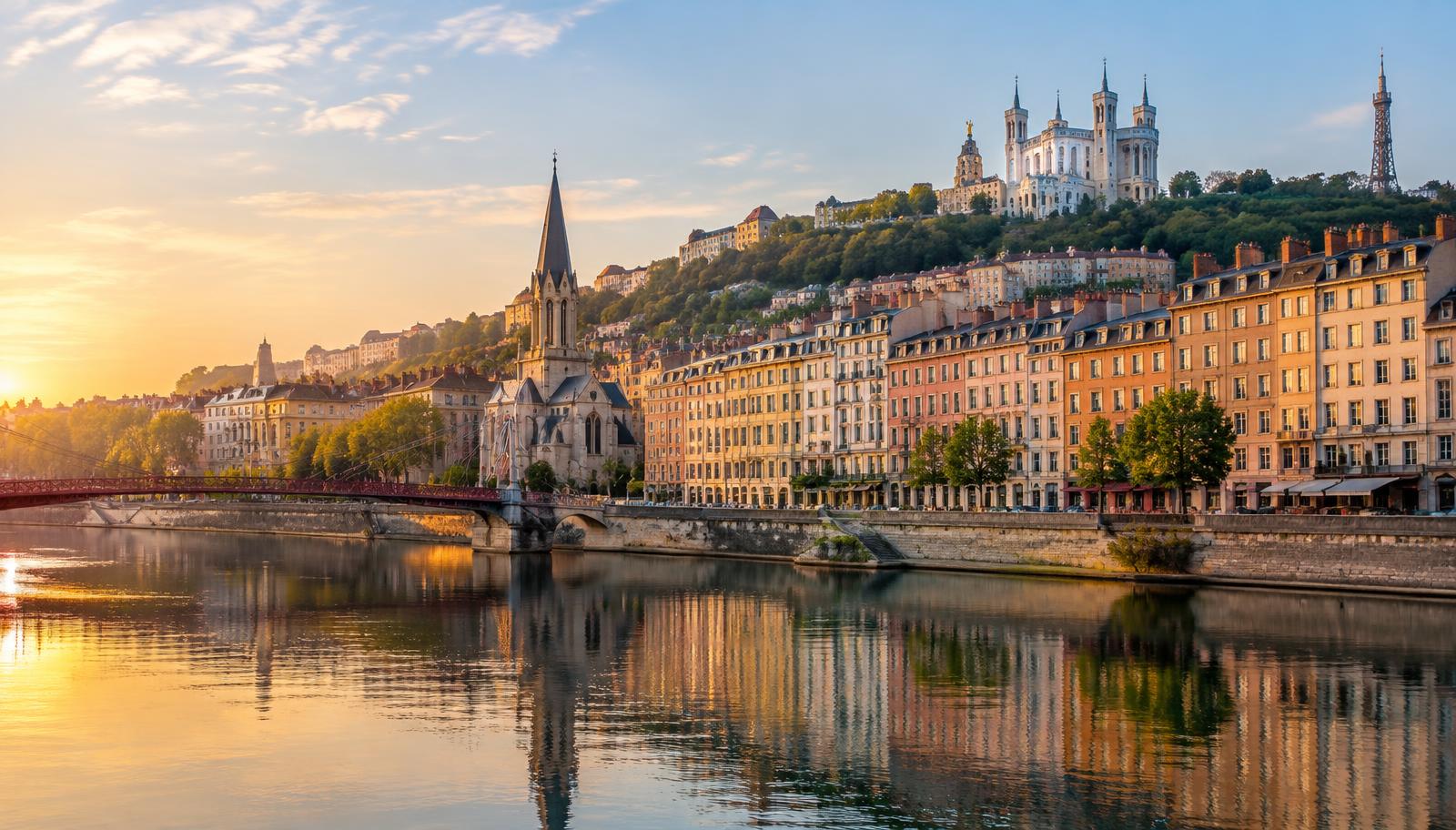
Lyon at a Slower Pace: Rivers, Markets and Long Lunches
A slow guide to Lyon: where to stay, a relaxed three-day rhythm, bouchons, markets, river walks and easy escapes to Beaujolais.
· 8 min read
Travel
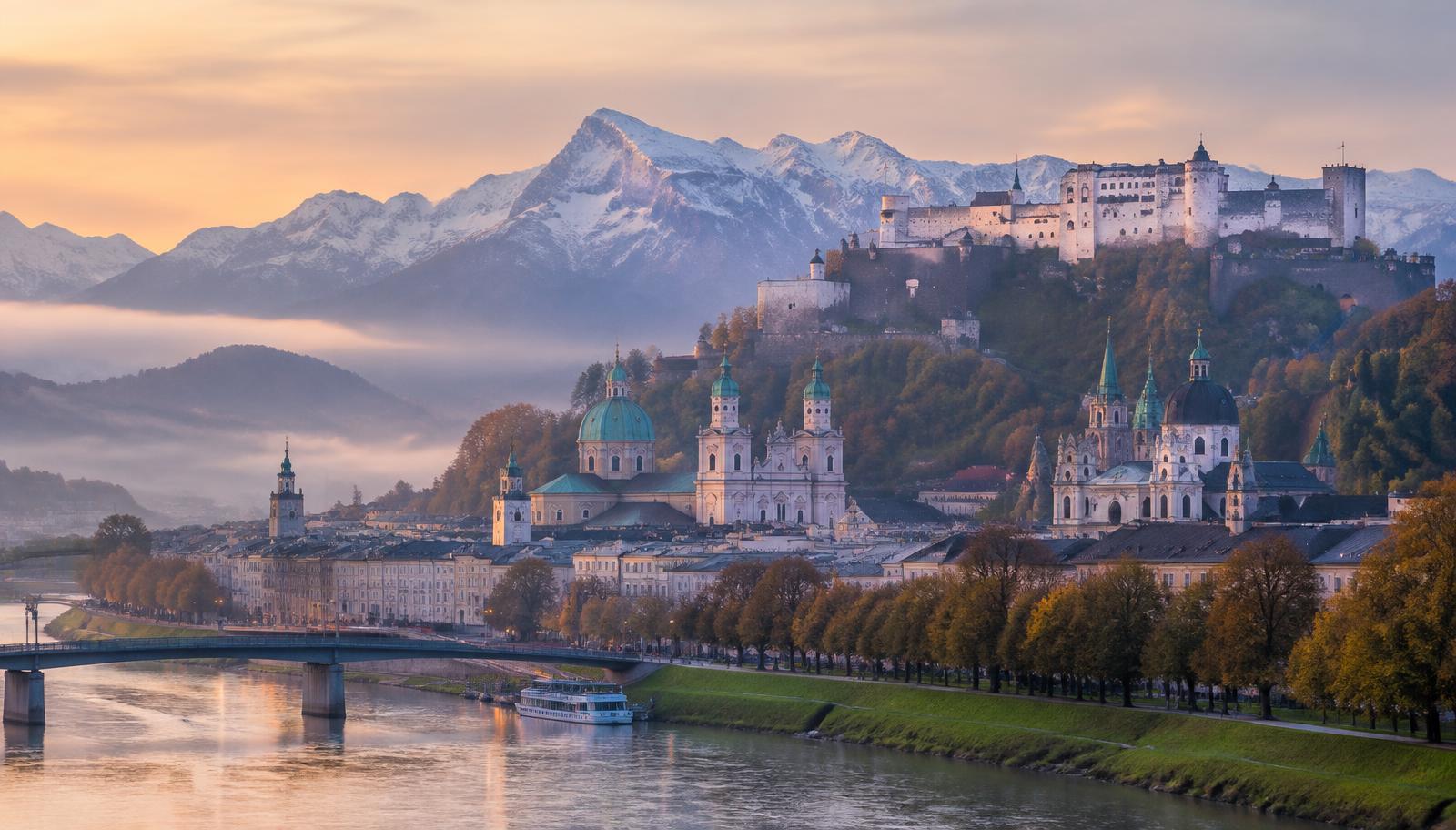
Salzburg at a Slower Pace: Baroque Squares, Hill Walks and Alpine Lakes
A slow guide to Salzburg: where to stay, a calm three-day rhythm, coffee-house culture, hilltop walks and gentle lake-district escapes.
· 7 min read
Travel
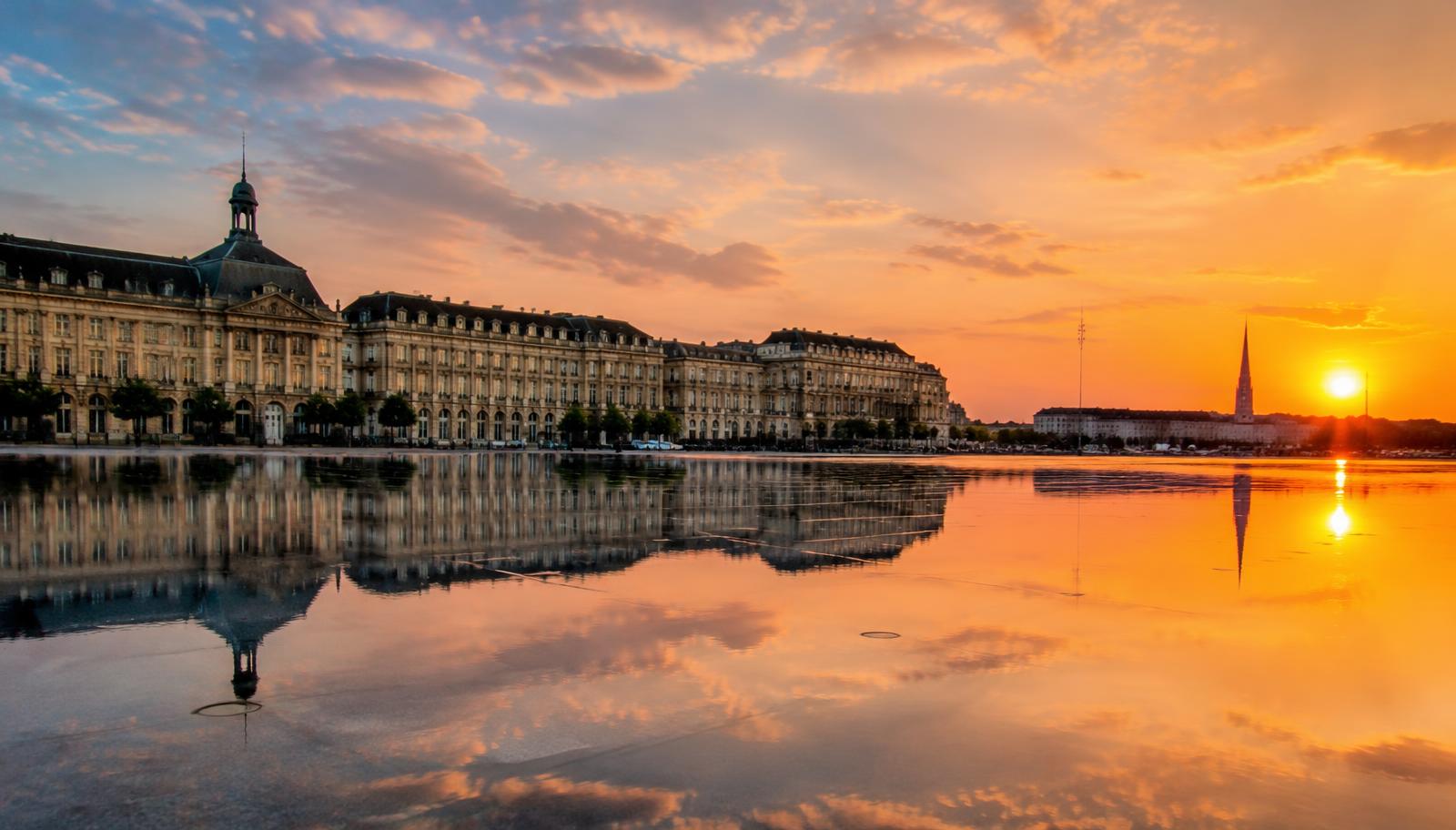
Bordeaux at a Slower Pace: Stone Streets, River Evenings and Wine Country
A slow guide to Bordeaux: where to stay, a relaxed three-day rhythm, markets, wine bars and easy trips to Saint-Émilion and the Atlantic coast.
· 7 min read